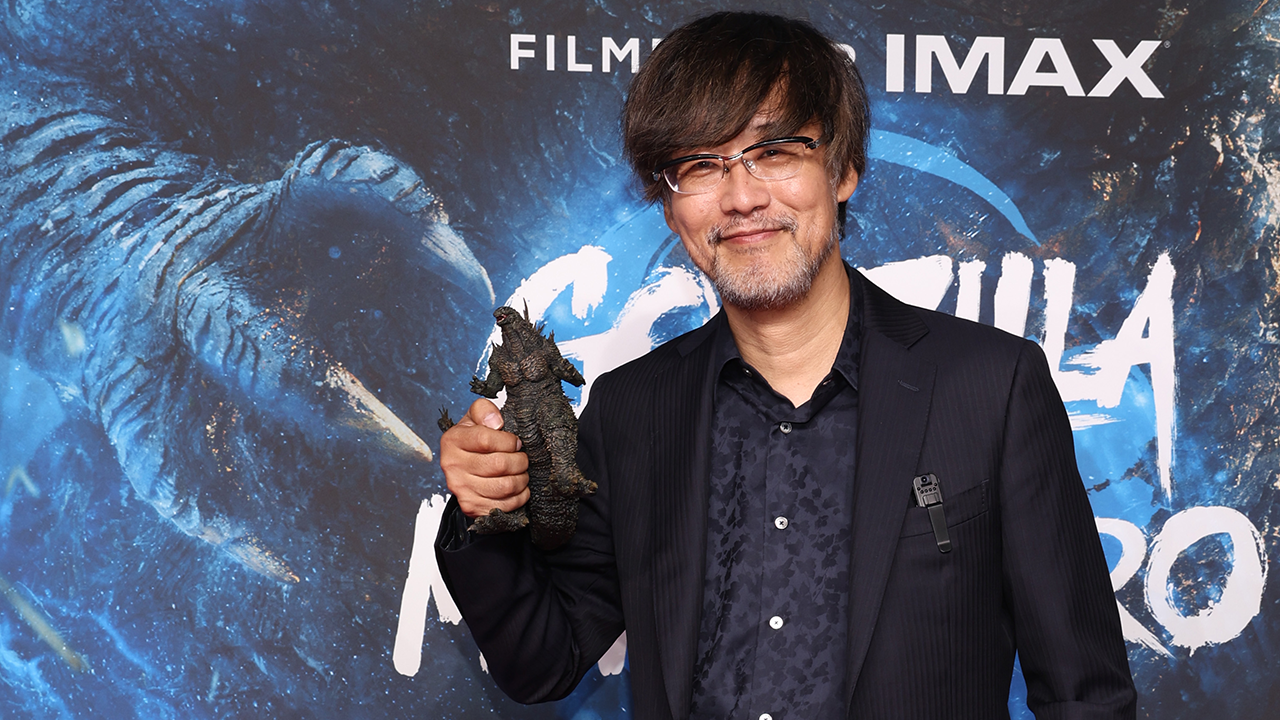
How does a filmmaker attempt to follow up a history-making movie with an even bigger and better sequel? For Godzilla Minus One and Zero writer, director, and VFX supervisor Takashi Yamazaki, that line of thinking doesn’t even belong in the equation.
“In the beginning I thought, ‘Well, how do I outdo its predecessor and how do we make a movie that's going to win all these awards and it's going to be bigger in scale?’” Yamazaki told IGN during an interview near Godzilla Minus Zero’s debut at the New York Film Festival. “But I think it's very dangerous to create a movie with that type of mindset because you're going to risk diluting what makes the movie great in the first place. So those are the wrong reasons to make a movie and it ends up becoming an antagonist in your moviemaking process.”
Godzilla Minus One was released in 2023 and quickly caught fire. Yamazaki’s take on a post-WWII Godzilla was especially praised for its human-focused story and highly impressive VFX, done with a famously lean team of 35 artists. It went on to beat Hideaki Anno’s 2016 Shin Godzilla at the box office, becoming the highest-grossing Godzilla movie to date. At the 2024 Oscars, where the cast and crew walked the red carpet holding Godzilla figurines and wearing very cool Godzilla shoes, the film took home the trophy for Best Visual Effects.
The win was historic on many levels: It was the first Japanese film to claim the award, minted the first Gen Z winner in the category , and did so with the smallest budget of any other category in more than a decade .
Source link