A graduate school for magicians and a Narnia-like fantasy world become an adult fairy tale about wonder, grief, and friendship
I think far too much about the first chapter of Harry Potter and the Half-Blood Prince, in which the outgoing and incoming Ministers of Magic meet the British prime minister at 10 Downing Street. A bridge has collapsed, and one of the PM’s junior ministers has started quacking like a duck. Truly nefarious stuff. The wizards explain that these and other disasters are connected to the return of the evil Lord Voldemort.
“But you’re wizards! You can do magic!” the prime minister says. Surely they can sort out anything. Cornelius Fudge, the outgoing Minister of Magic, answers with a strained smile: “The trouble is, the other side can do magic too.”
As Muggles, we tend to imagine magic as a cure-all. That’s a big part of why stories about magic enchant us so: if a wave of a wand and a few words can change reality, surely they can banish whatever makes us unhappy. Traditional fairy tales usually make that wish tangible. A pumpkin becomes a carriage. A mermaid becomes a lady. A spell transforms a life.
But the best adult fairy tales keep the wonder while asking complicated questions about what happens after the wish comes true.
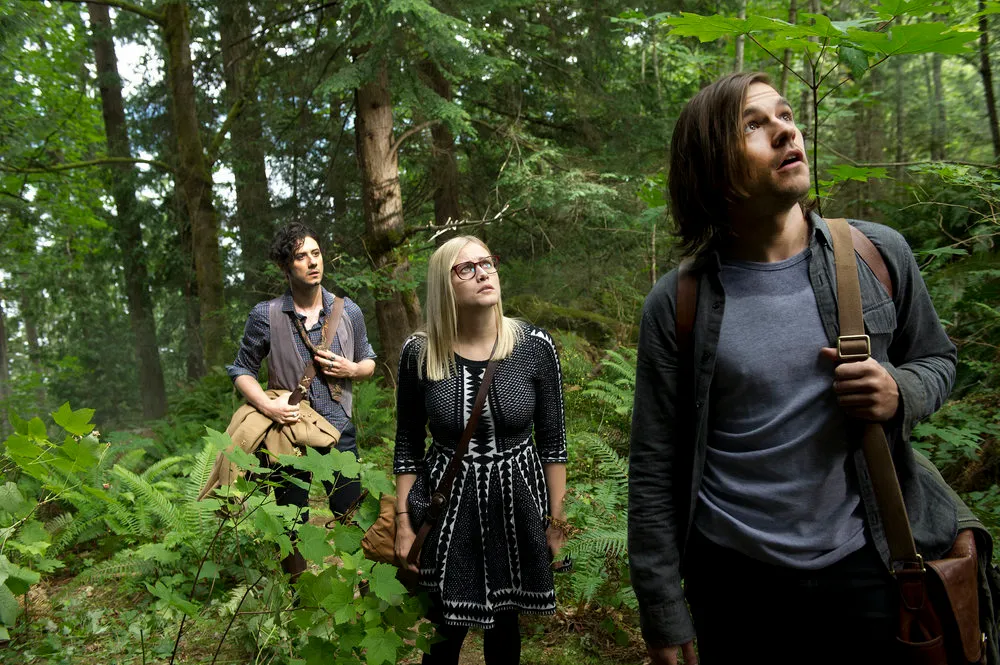
The Magicians , Lev Grossman’s book series (as well as its criminally underrated Syfy adaptation), understands the limits of that fantasy. It imagines what might happen if the magical school and storybook kingdom Quentin Coldwater (played by Jason Ralph on the show) dreamed about were real — then makes him live with the fact that magic can’t solve every problem.
Source link