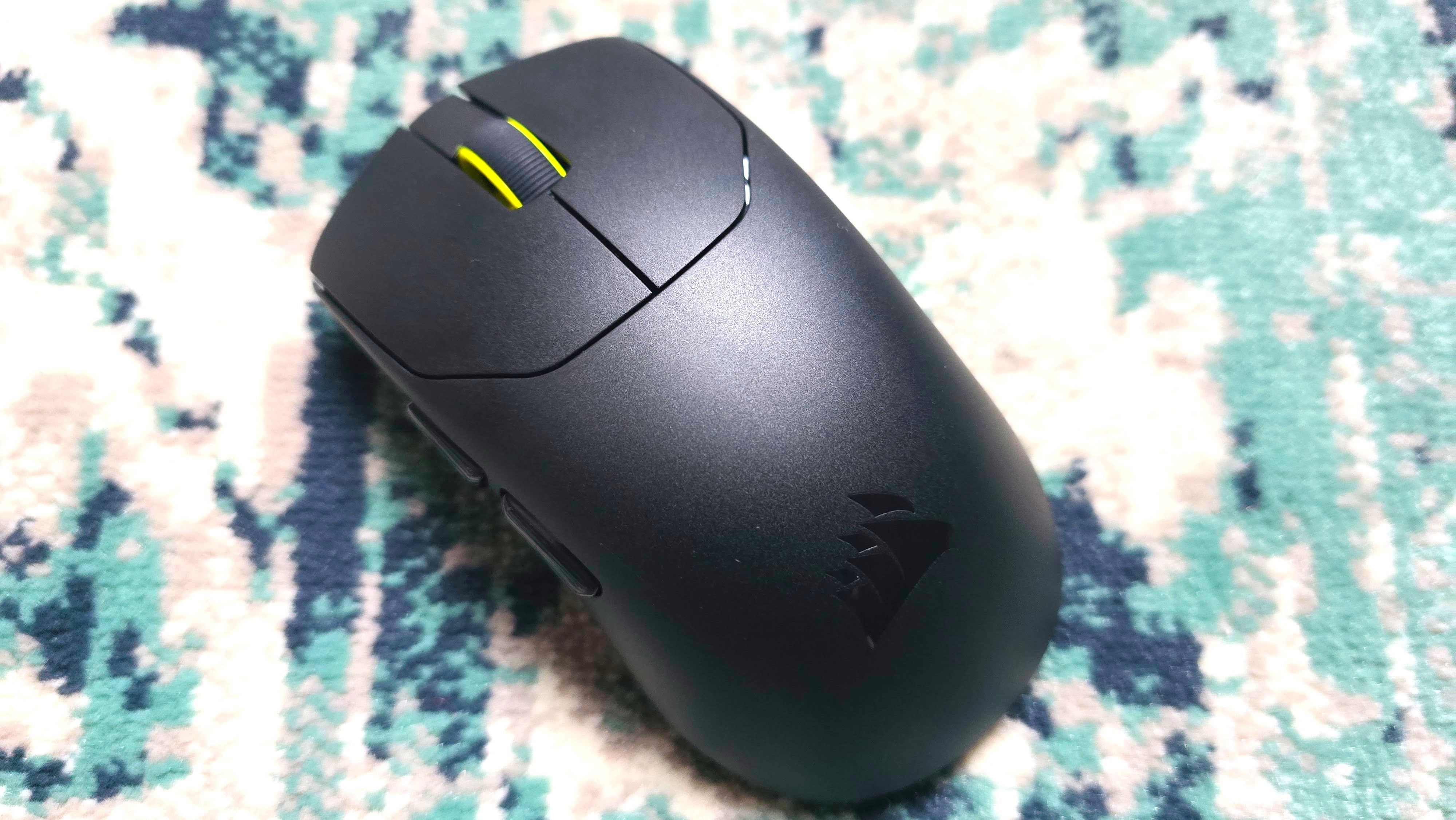
2026 has been a very interesting time for ultralight gaming mice, with different brands having different takes on their flagship offerings. For Logitech, it's opted for haptic feedback and rapid trigger powers more commonly associated with the best gaming keyboards with its G Pro X2 Superstrike, while Razer has focused on getting the basics nailed with a fast, responsive rodent in the Viper V4 Pro.
Corsair has chosen a different tack with its Sabre V2 Pro, eschewing a lot of features in the name of getting the weight down to just 36g with its flagship choice – for instance, there isn't any Bluetooth, the software is a bit basic and it isn't built as well as rivals – but it opens up an interesting conversation about the different approaches taken for ultralight gaming mice and where we might be headed next.
Before looking ahead to the future, it's worth noting where we've come from. The whole ultralight gaming mouse phenomenon is a recent innovation. Even five years ago, mice were still quite hefty, and the concept of having a low weight and especially high DPI and polling rate options was virtually unheard of.
For reference, the wireless Logitech G502 Lightspeed and older Corsair mice such as the M65 and Nightsword were much heavier than today's crop, and even had adjustable weights so you could make a mouse heavier rather than lighter. The assumption baked into that design was that more mass, applied thoughtfully, was a feature worth having, not a problem to be engineered away.
Source link