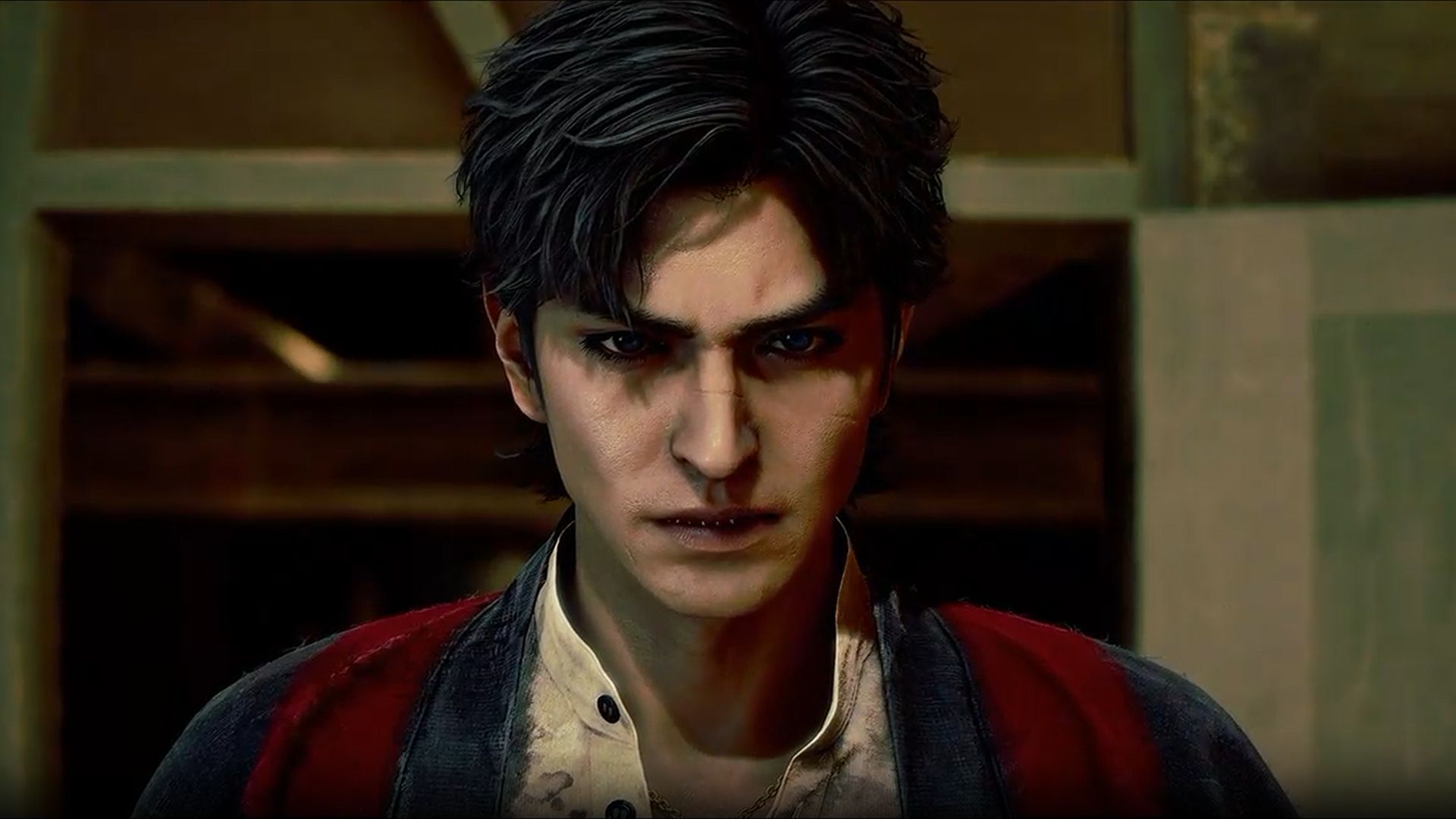
Stranger Than Heaven is exactly the sort of game I want to champion. It’s rare to see a team of young developers given a significant budget and seemingly generous freedom to create a half-century-spanning epic that tackles heavy themes while taking bold risks with both the combat and music-influenced management game at its core.
My four-hour whistlestop tour across several of the game’s time periods between 1915 and 1965 in this latest fantastical tale from the Japanese criminal underworld did make it hard to see just how well all of this ambition from RGG Studio will come together in the end. But I haven’t really stopped thinking about it since.
And when you’ve played and previewed dozens (maybe hundreds) of games, it’s harder to find ones that leave a mark like that — ones that genuinely leave you wanting to play and see more.
What I admire most about Stranger Than Heaven is that it knows what it wants to be and fully commits to that idea to create its own unique vibe.
Music is the throughline. On one side, it's the way the protagonist, Makoto Daito, finds his place in a hostile world, as a way for him to break down barriers and overcome prejudice he faces as a Japanese-American immigrant.
There is a level of detail and adoration in the musical performances I saw in-game that made it easy to get swept up in the atmosphere — whether it was a professional big band showstopper full of belting brass, or an impromptu sing-a-long that draws in a large crowd on the streets of Kokura.
Source link