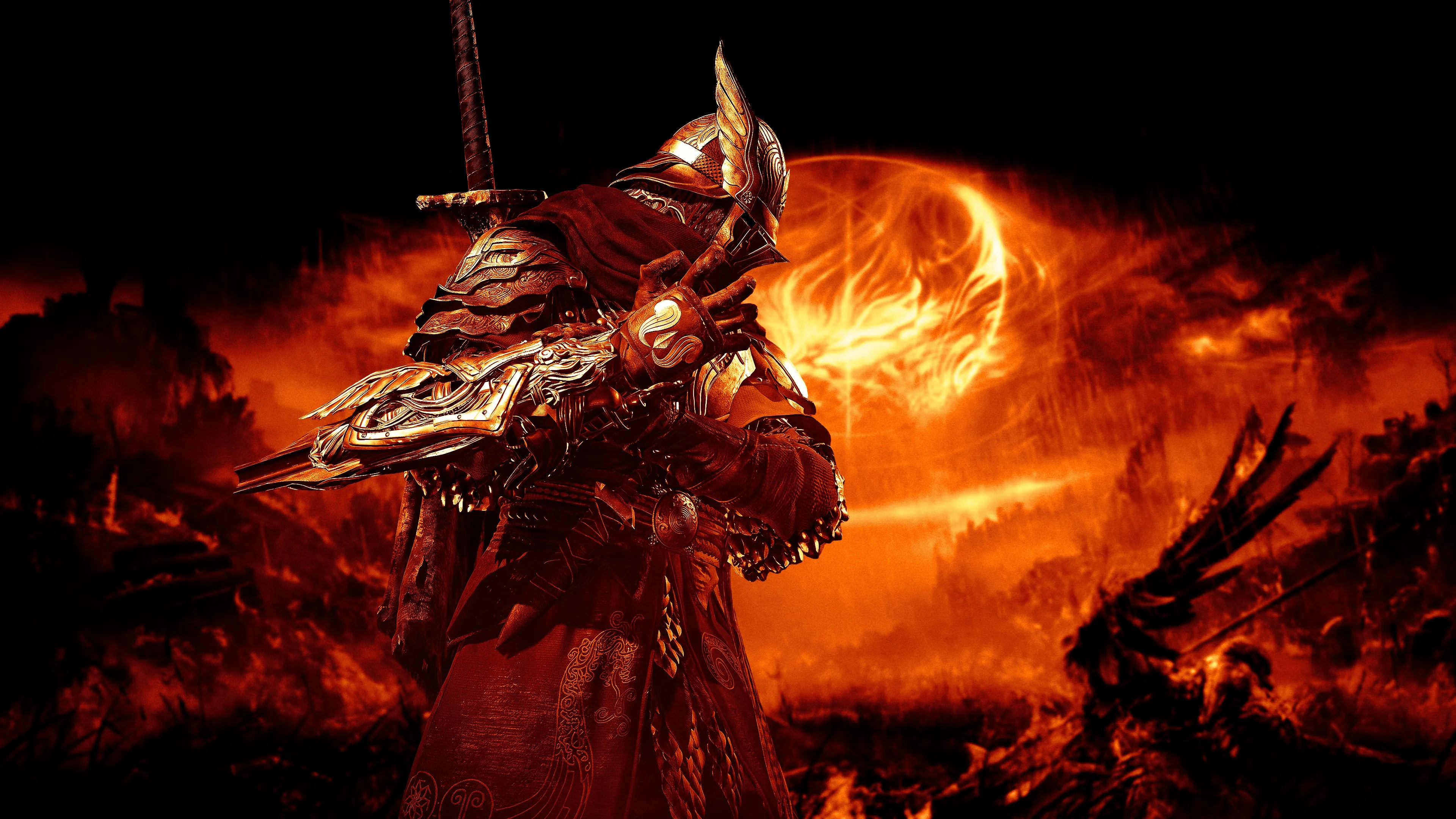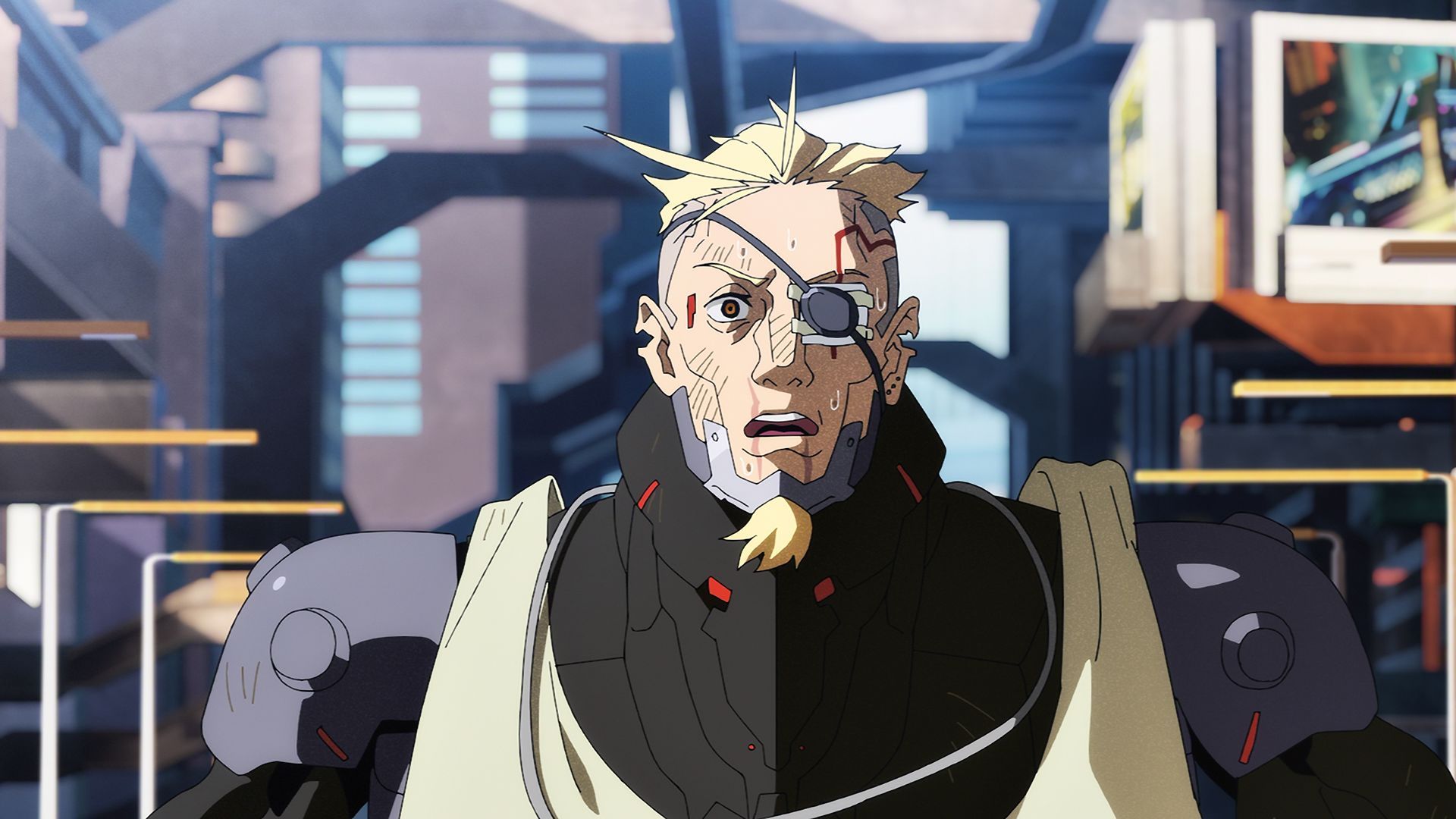
We’re well into the era of variable game pricing and it’s seemingly working out well for some studios. Napoleonic Soulslike Valor Mortis was only $40 and has already broken even with its initial sales. Star Wars Zero Company, which was priced at just $50 on PC, has already hit 1 million units sold. But it can be harder for some indie devs working at the lower end of the pricing scale, especially as games like Hollow Knight: Silksong set an almost impossible-to-meet benchmark.
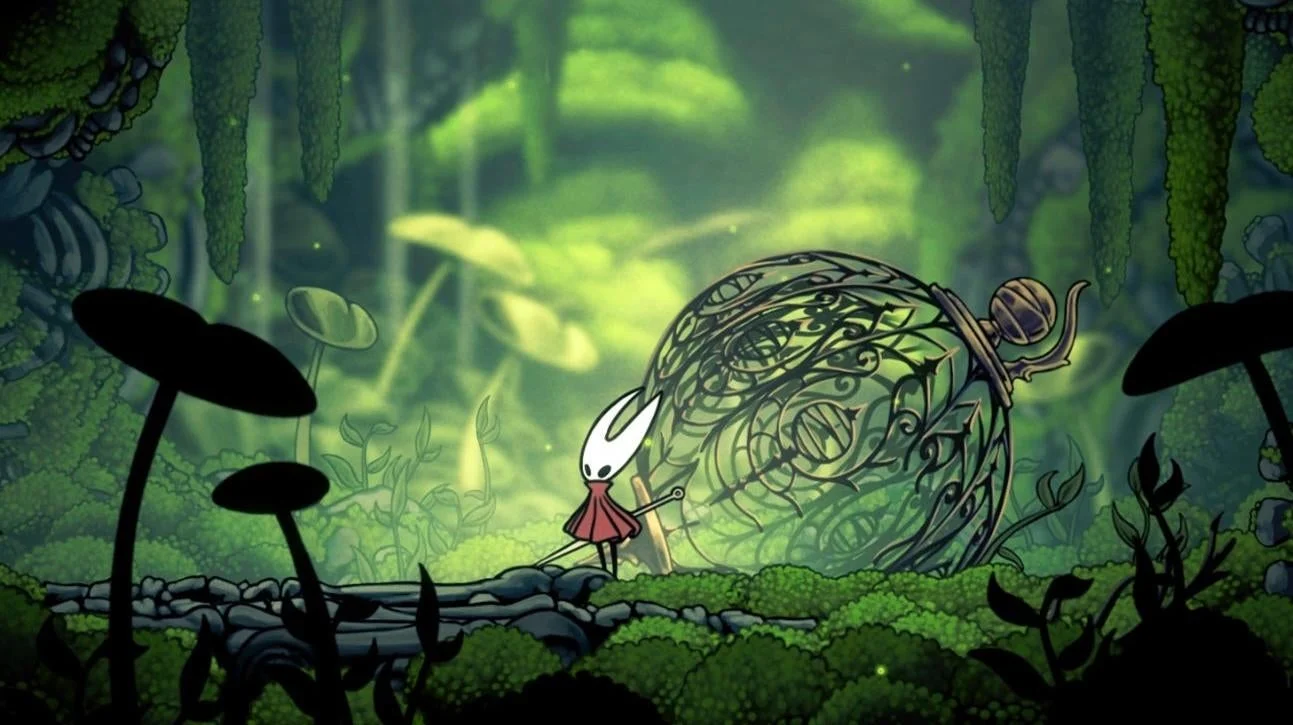
“Hollow Knight kind of annoyed me,” pricing specialist Cassia Curran told The Game Business. “I was like, ‘Oh god, please price it higher. $24.99 would have made like a big difference to a lot of studios that have similar games.'”
The game sold like gangbusters, and despite improved production values, a seven-year production cycle, and a roughly 30-hour single-player campaign, Team Cherry only raised the launch price to $20, up just $5 from the wildly cheap debut of Hollow Knight in 2017. As one of the most popular games on Steam in 2025, and a strong GOTY contender against AAA heavy-weights, Silksong raised the bar for what’s expected of other $20 games.
“I would say there is actually quite a lot of downward pricing pressure, especially with friendslop these days,” Curran said. She maintains a tool to help developers analyze and understand successful pricing models on Valve’s storefront and has game makers look at what their closest competitors are priced at in a given genre.
Source link