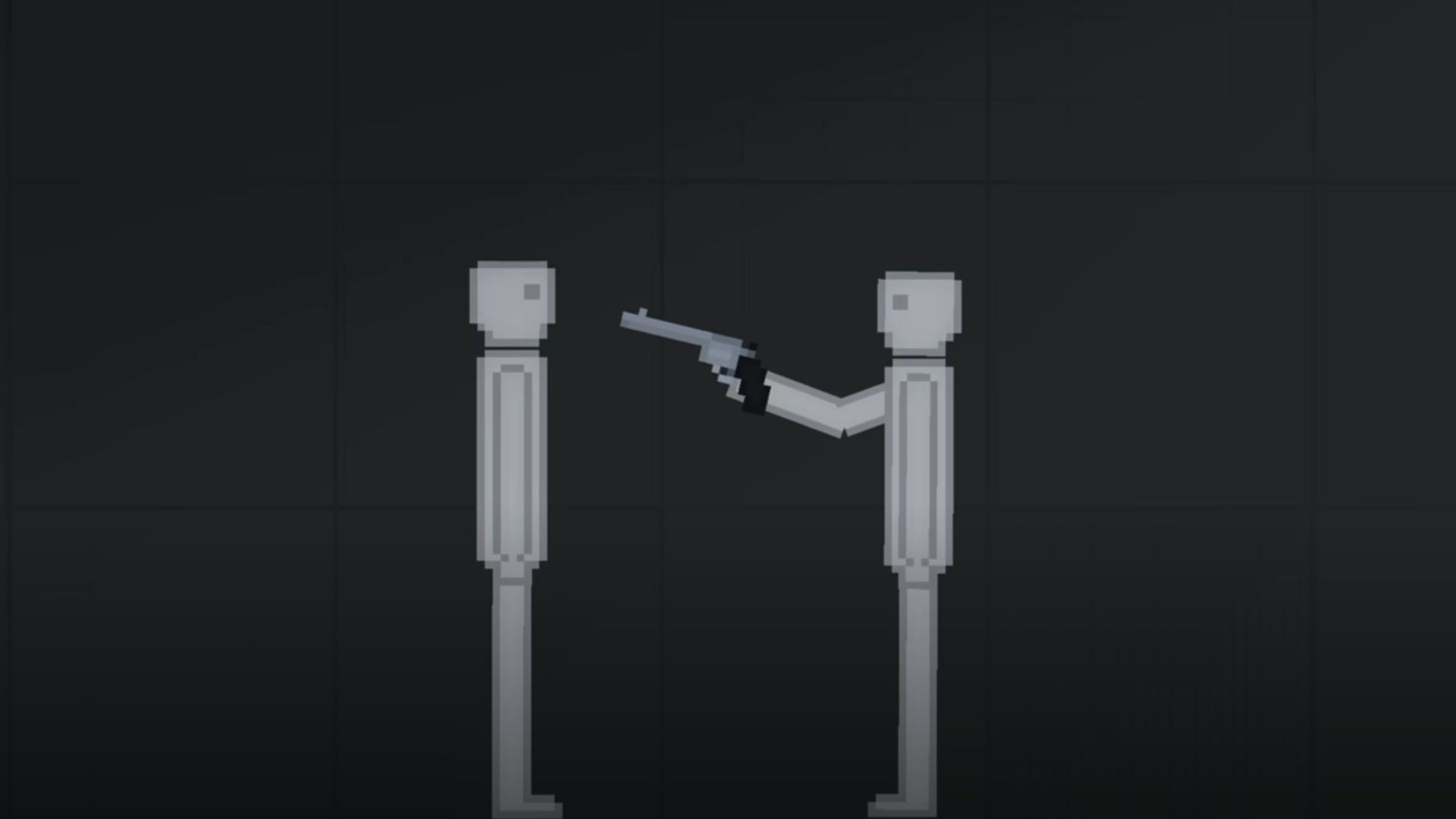
And Studio Minus seems to agree. In a blog post from last month, zooi—People Playground's primary developer—called the game a "technical hellscape," which makes it "technically impossible to properly sandbox mods in their current state." While the studio claims that the software has measures in place to prevent malicious mod activity, zooi called it a "hopeless arms race."
When a studio's developer doesn't seem confident about the viability of their project's security measures, you shouldn't either. But while People Playground seems like a particularly intense dumpster fire, 2026 hasn't inspired much confidence in the safety of Steam Workshop overall.
Since the year started, we've seen at least three other cases of Workshop-related malware incidents: first malicious Project Zomboid mods surfaced in April, then virus-laden anime ladies emerged in Wallpaper Engine in June, and then malware-infested Meccha Chameleon maps led to its Discord getting hacked in July.
It's the double-edged sword of Steam's relatively open publishing platform. We get to enjoy a bounty of games from small developers—but they can't always offer the same expectation of software security as their more established counterparts.
2026 games: All the upcoming games
Best PC games: Our all-time favorites
Free PC games: Freebie fest
Best FPS games: Finest gunplay
Best RPGs: Grand adventures
Best co-op games: Better together
Source link