Platform:
PlayStation 5, PC
Publisher:
S-Game
Developer:
S-Game
Release:
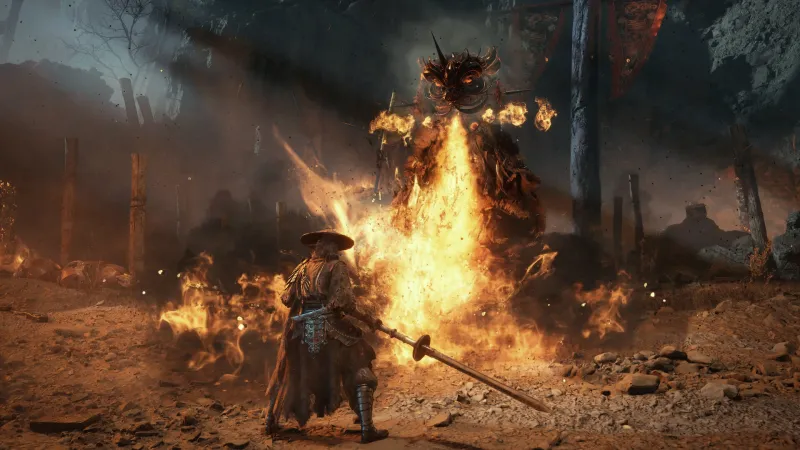
I played Phantom Blade Zero at Gamescom in Cologne, Germany, back in August, which, at the speed of the internet, means it feels like I had my hands on the controller about five years ago. The memory is vague and dreamlike, but it’s a strong one that left an undeniable impression. I also made sure to take thorough notes because I knew it would be some time before I could write about it.
For my Phantom Blade Zero play session two months ago, developer S-Game Studio offered up the opportunity to basically play from the beginning of the game, encouraging a long play session. I played through the intro and initial tutorials, meeting protagonist Soul, and learned his backstory as it relates to training with his brother, Zuoshang, as a young man. Once I had the basics squared away, however, the game fast-forwarded to a balletic clash between Soul and Zuoshang without much context as to why they were now fighting as adults, beyond my basic understanding that they now fundamentally disagree on something.
A major selling point for Phantom Blade Zero since its reveal has been its use of motion capture for its animation. When our own Wesley LeBlanc visited the studio in China last year, they put him in the motion capture rig to showcase how important the motion capture process was to the game’s development . My admittedly dismissive reaction to this selling point has always been… all modern triple-A games use motion capture for gameplay and cutscenes.
Source link