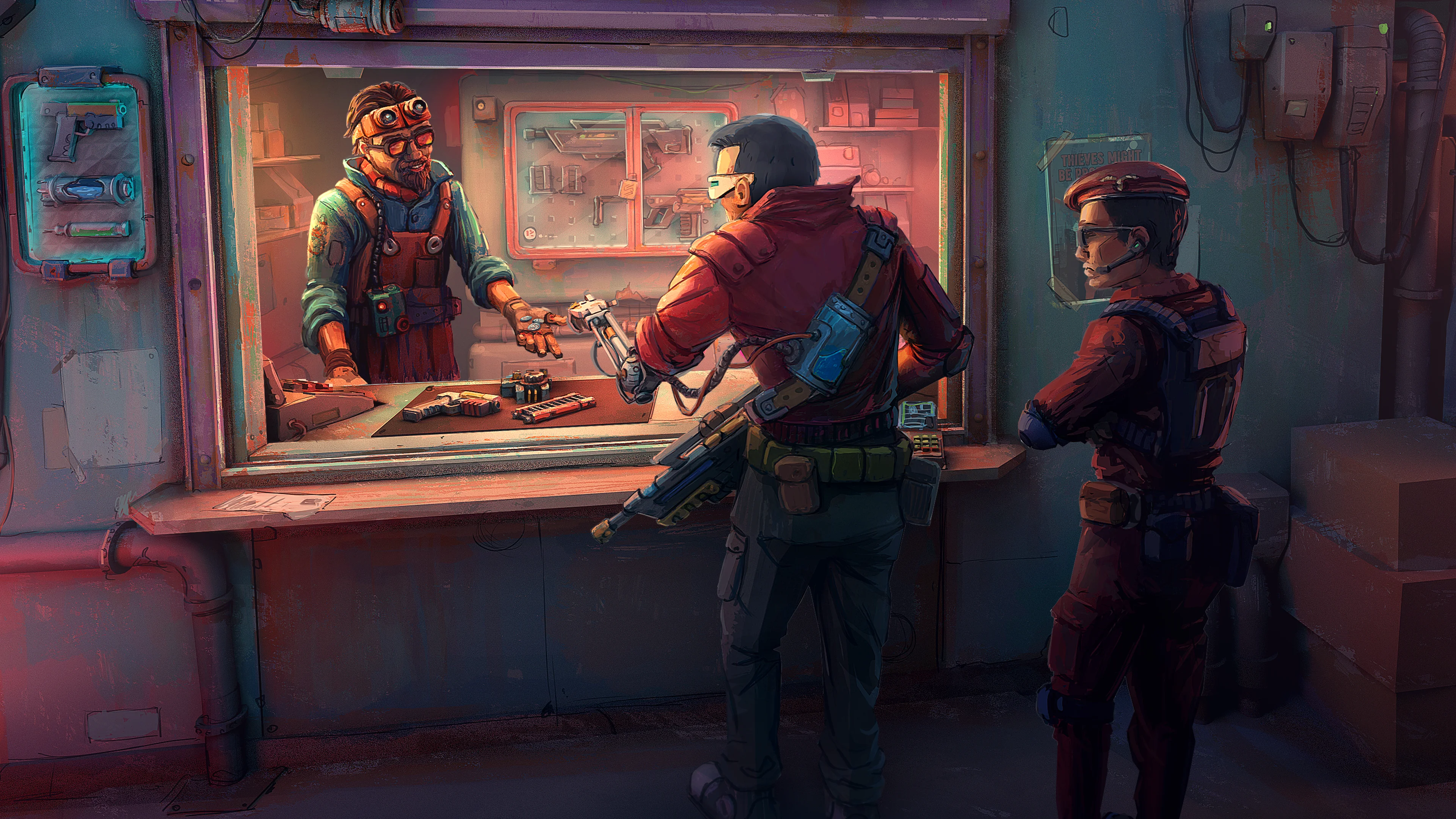
Tinybuild's Alex Nichiporchik explains how a three-month interval between reveal and release worked out beautifully for Probably Stolen
"I think the biggest talking point over the next half year is going to be the time to market, and how devs are now afraid of how AI copies their games," says Alex Nichiporchik, the head of Tinybuild.
He's not wrong. Recent improvements in generative AI technology mean it's now easier than ever for unscrupulous developers to make rapid copies of in-development titles by, for example, reverse engineering code from demos. One headline victim is Needle in a Haystack Simulator – a video of the unreleased game got more than 50 million views on X this summer, leading to the rapid emergence of multiple copycats with similar gameplay on Steam. There are even accusations flying around that one of the copycats allegedly copied code from another Needle in a Haystack imitator.
During a publisher and investor panel at the recent AI and Games Conference in London, Raw Fury's James Barnes described the rise of AI clones as a "wild situation", while Stefan Metaxa, commercial director at Spiderling Studios, said it has led to an abrupt change in thinking from studios and publishers. "The traditional wisdom previously was to announce early, build up as many wishlists as possible over time, and then you'll have a good basis to launch your game eventually," he said. "And that seems to be changing fundamentally."
The new wisdom is to keep the gap between announcement and launch to a minimum – which seems to have worked for Tinybuild.
Source link