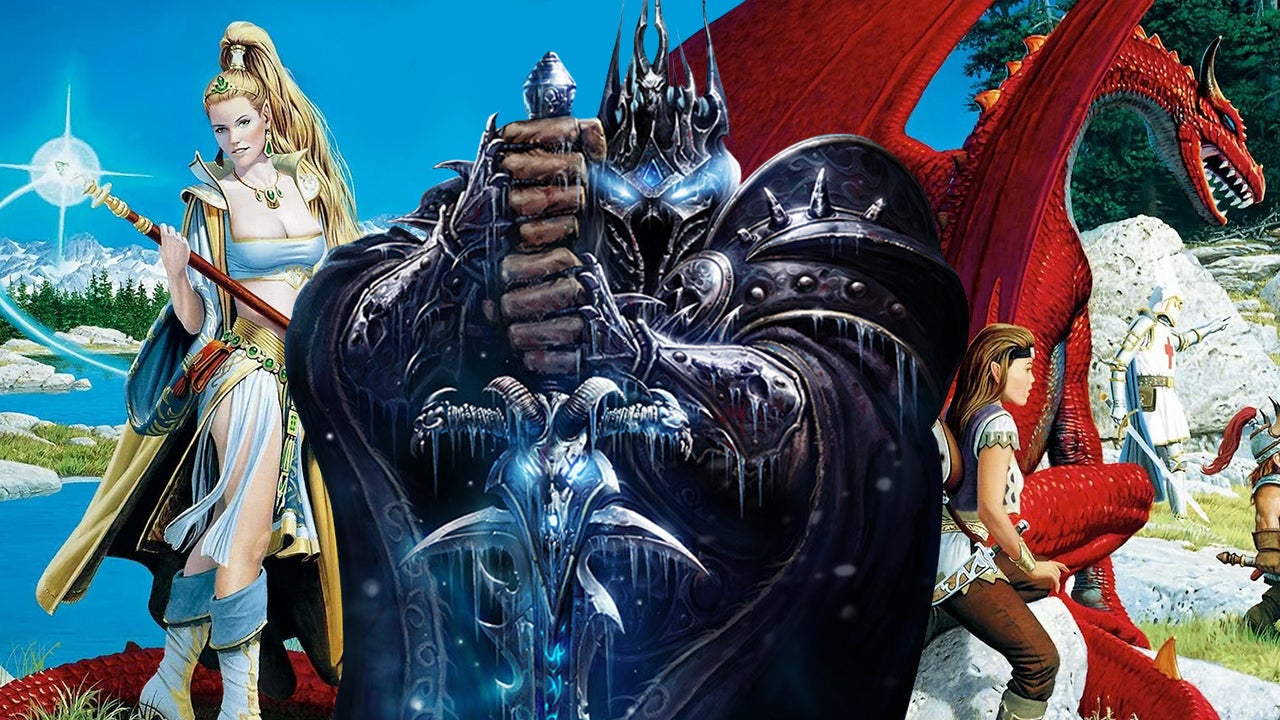
Whatever happened to the MMORPG? In the early 2000s, the likes of World of Warcraft, RuneScape, and EverQuest dominated cyberspace, their worlds host to millions of players questing and raiding together. Today, Roblox’s titanic 123 million daily player count dwarfs the combined historical peak of this trio and many other genre stablemates of the time.
That’s not to say the MMORPG is dead. A brand new one, Aion 2, launched just this week and quickly found itself on Steam’s Most Played list. The long-awaited Guild Wars 3 is on the horizon. And many of the genre’s pioneering games continue to run successfully, some even 25 years on from their inception. But that’s become the genre’s norm – ongoing projects built on ageing technology, rather than fresh new blood. The “live-service” game has taken its place, but that controversial industry trend has stolen the crown that the MMORPG forged.
The Past, Present, and Future of Live-Service
Live-service is one of the biggest issues in gaming. Is it a curse destined to destroy studios, or the key to the industry's survival? With expert insight from veteran developers, including Overwatch's Jeff Kaplan and Anthem's Mark Darrah, IGN exlores the long timeline of live-service games across three detailed articles. Combining interviews, analysis, and opinion, this is the past, present, and future of gaming's most divisive trend.
Massively multiplayer online role-playing games were the first live-service games, long before the term had become common parlance. Both formats share a similar definition: at their core, they are online multiplayer games that are continually expanded, evolved, and developed beyond their initial launch, with that process often buffered by microtransactions or subscription models.
Source link