Affiliate links on Android Authority may earn us a commission. Learn more.
One of the best reasons to pick an Android phone over an iPhone or any other OS is the freedom users are afforded to customize their experience. Of course, with liberty comes a certain degree of risk. Android users face various security challenges whenever they pick up their devices, and one of those comes directly from the apps they encounter.
Nefarious apps can be downloaded and installed without much friction or prior warning. It’s therefore important to understand how best to identify, combat, and prevent these apps from ever appearing on your phone’s installed list.
This guide aims to detail the tell-tale signs of nefarious and malicious apps, how to remove them, and how to keep them from ever returning to your device in the future.
It’s important to state right up front: Google doesn’t let Android users fend for themselves. The OS has layers of security and privacy features baked right in and built to protect users from nefarious apps.
These options start right at the app installation level. You need to allow apps permissions to install other apps, for instance. Even if you allow these apps on your device, Play Protect acts as a secondary line of defense. Essentially Android’s “antivirus” suite, Play Protect will alert users of potential issues with apps prior to installation, and will continue to scan apps for issues well afterward, too.
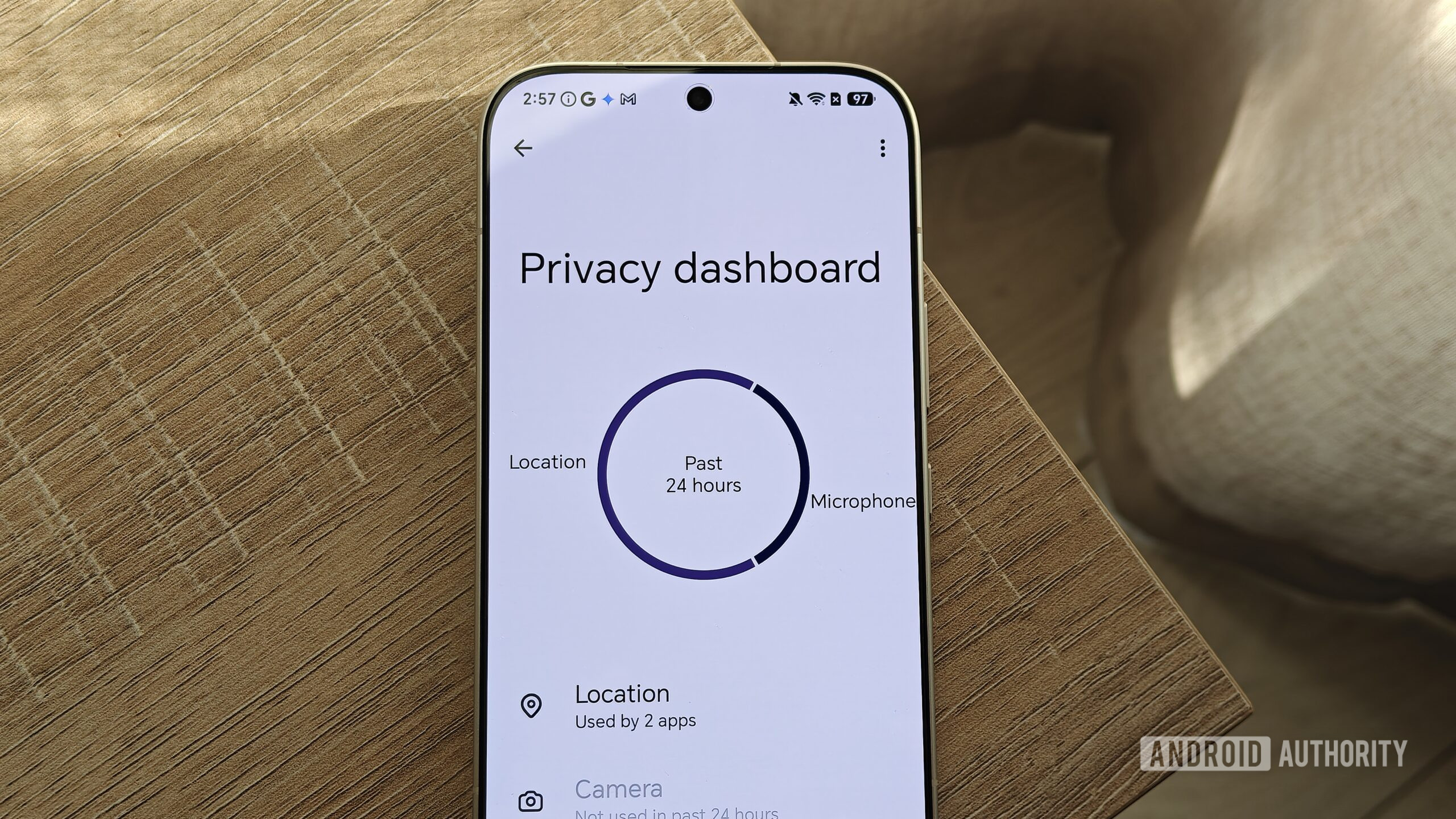
Beyond the app level, newer versions of Android highlight whenever an app accesses a device function — location, camera, and microphone — with dots and info chips in the status bar.
Source link