AI, IoT, robotics and digital twins are connecting aerospace and defense factories, design teams, suppliers and maintenance systems into one digital ecosystem.
Digital twins let engineers test aircraft, engines and components virtually, helping identify design issues and improve performance before physical production.
Industrial IoT sensors track temperature, vibration and machine performance in real time, helping AI detect problems before equipment fails.
AI-powered quality control can inspect aircraft parts, welds, coatings and composite surfaces to identify defects earlier and reduce rework.
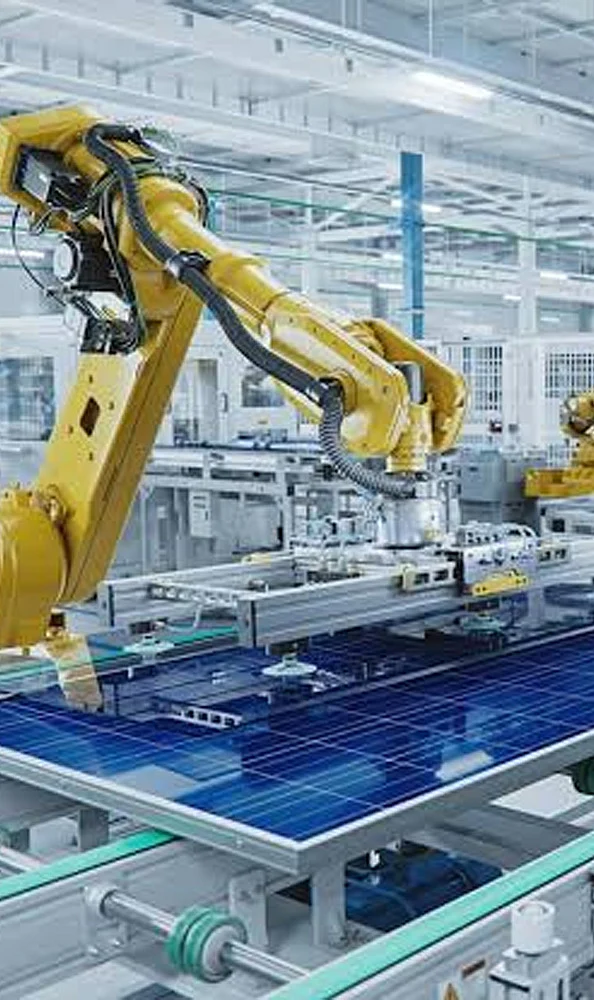
Robots and collaborative machines handle drilling, fastening, welding, painting and material handling, improving precision while supporting workers on complex tasks.
3D printing helps manufacturers create prototypes, tooling, lightweight parts and complex low-volume components while reducing material waste and assembly steps.
AR and VR can guide technicians with digital work instructions and support maintenance training, factory planning, design reviews and remote assistance.
Smart manufacturing can strengthen defense supply chains by improving parts visibility, predicting shortages and supporting faster production when demand changes.
The shift also brings cybersecurity, certification, legacy-system and workforce challenges. TCS expects around 40% of aerospace manufacturing operations to require minimal human intervention within five to seven years, while human oversight remains important.
Join our WhatsApp Channel to get the latest news, exclusives and videos on WhatsApp
Source link