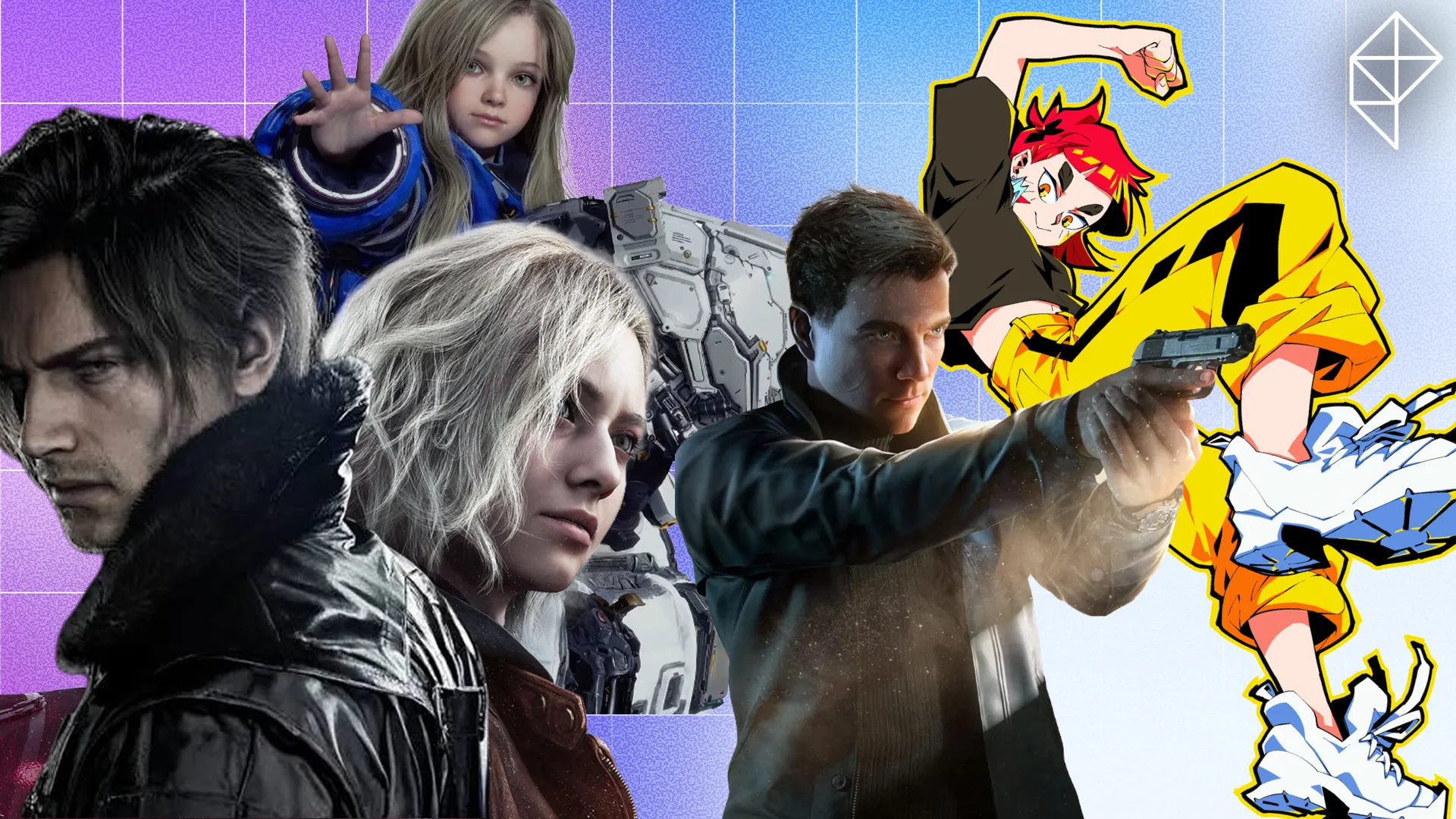
A look at how Resident Evil Requiem, Queen's Domain, Control: Resonant, Denshattack, 007: First Light, and more came together
What is great "game direction"? We love asking those in charge because everyone's answer is different.
Players' minds tend to jump to cinematic AAA blockbusters, where cutscenes and spectacle make the director's hand easy to recognize. But the beauty of video games is that greatness comes in endless forms. To prove out the point, Polygon assembled some of the creative minds behind 2026's most ambitious games to dig into what we believe remains a misunderstood art: the delicate balance of artistic vision, technical execution, and player experience that can transform a collection of ideas into a Game of the Year contender.
For some developers, great direction starts with the conviction to attempt something nobody else has done. Control Resonant director Mikael Kasurinen argues, "You need to be distinctive. You need to be doing things that nobody else is doing." For others, originality is beside the point. "I don't wanna spend a lot of time figuring out how to make it special and different," says Queen's Domain creative lead Eric Berger. "I just wanna make every aspect of it as good as we can figure out how to make it." And sometimes an entire creative vision begins with a question as ridiculous as the game it inspires: Denshattack director David Jaumandreu wondered what would happen if you could play Tony Hawk with a train.
These wildly different philosophies all arrive at the same challenge: How do you make something that feels unmistakably your own while remembering that somebody actually has to enjoy playing it?
Source link