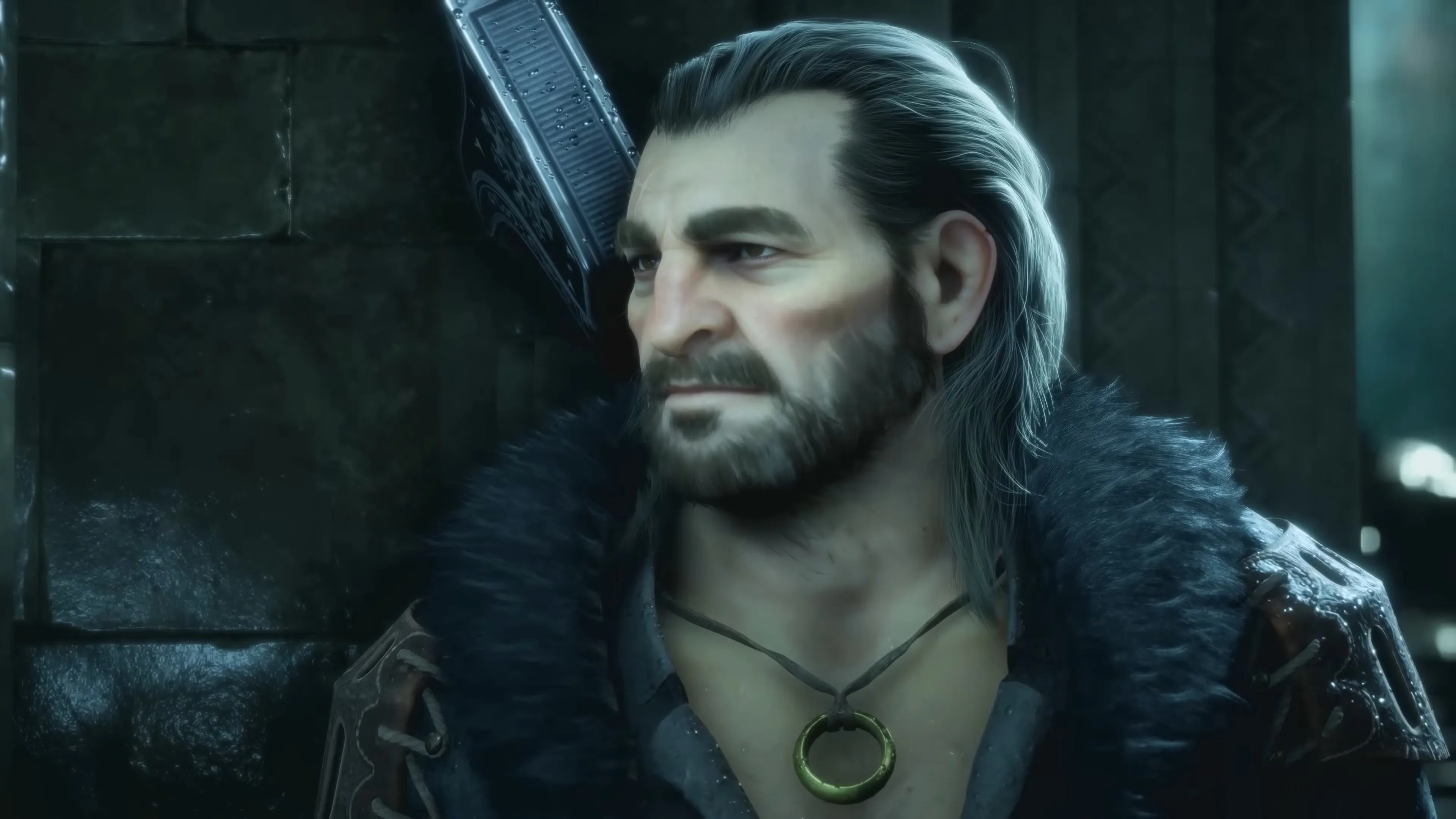
"At their heart, stories are about change" is not a quote from Varric, although the scoundrel would almost certainly claim it as his own. No, it's spoken by Dragon Age: The Veilguard protagonist Rook during the final slides of the game, where they discuss the end of their journey, the end of their companion's journey, and everything won—and lost—along the way. One of the most basic rules of storytelling is this: a journey cannot "end" where it began. Change has to happen, but all stories (however big or small) also change themselves.
Here's some inside baseball, evidenced by the screenshot below: In mid-September, I added a task to ASANA to write about Dragon Age: The Veilguard's second anniversary. I knew I wanted to write about it, intending to do so every year, but the question was what. Last year, I discussed my 10/10 Dragon Age: The Veilguard review, and you should know, two years later, I still stand by it. This year, I was inspired to write about Dragon Age 2 and Dragon Age: The Veilguard, specifically how both games are unique in the franchise with the way they approach the idea of storytelling. I felt clever when I came up with the initial headline: "Dragon Age: The Veilguard & The Stories That Live with Us Forever."
The idea was inspired by a book I read earlier this year: Boss Fight Books and Charlotte Reber's Dragon Age 2 , which included interviews with the dev team about DA2 's rugged, Wild West-like development hell.
Source link