
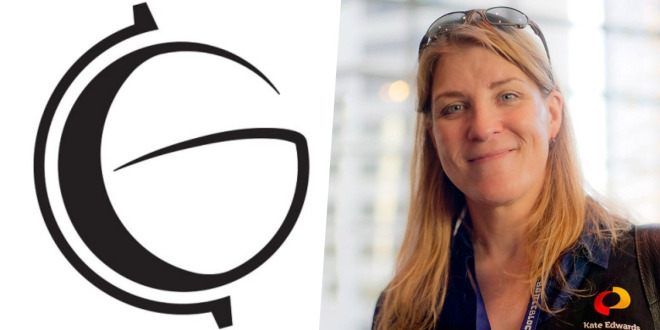
Kate Edwards built Microsoft's geopolitical strategy team before leaving to found Geogrify, the consultancy that focuses on content culturalisation. Three decades in, her client list runs from triple-A down to one-person studios. Her most recent large project was Indiana Jones and the Great Circle.
We speak to her about how small mobile teams can get culturalisation right on a budget, why there's no such thing as a globally neutral map and why playing it safe isn't the same as getting it right.
Edwards' central idea is "allegorical distance", meaning how much of a fictional world invites comparison with the real one.
"The closer you get to recognisable geography, cultures, religions, political conflicts or historical events, the greater the expectation of accuracy - and the greater the potential impact of getting something wrong."
First, identify the handful of cultural elements fundamental to the game - "not every texture and prop, but the things players are going to notice and interpret". Second, research those using sources from within the culture, not your own assumptions. Third, get at least one knowledgeable person from that culture to review it while you can still change things.
"You don't necessarily need a huge culturalisation budget," she says. "You just need intentionality, some degree of research and another pair of culturally informed eyes. And critically, do that as early as possible in the process."
Culturalisation is seen as a big-publisher expense. Edwards says it costs less than people expect if it's built in early: a few hours of specialist consultation at concept stage, some targeted research and one or two expert reviewers.
Source link