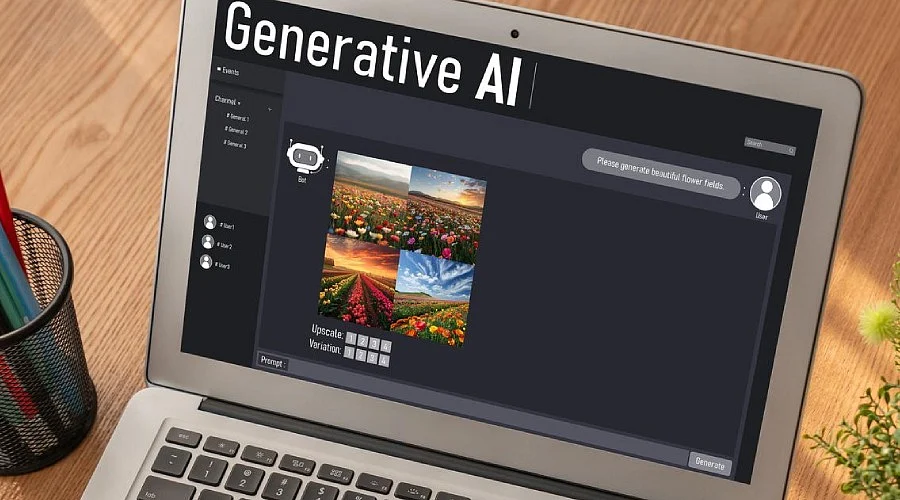
AI tools are making large-scale content production faster, cheaper, and increasingly accessible.
Experts continue debating AI content's effects on quality, originality, and information diversity.
The internet is filling up with content that can be produced in seconds. Articles, images, videos, and entire webpages can now be created or substantially edited using artificial intelligence, making online publishing faster and cheaper. However, the rapid growth of AI-generated material is also raising questions about quality, originality, and the character of the web itself.
The term ‘AI slop’ has emerged to describe large amounts of low-quality or low-effort AI-generated content. It generally refers to material produced with little meaningful human involvement and little value for the audience. The concern is not that every piece of AI-assisted content is poor, but that generative AI has made mass production of mediocre content significantly easier.
A recent Pew Research Center analysis provides a clearer picture of how widespread AI-assisted content has become. Researchers examined 490,000 English-language webpages from the Common Crawl web archive, covering 49 crawls between January 2021 and July 2026.
In a random sample of 10,000 webpages collected in July 2026, 10% showed significant signs of AI authorship. The figure was considerably higher among pages published after ChatGPT was released.
For webpages published after November 2022, more than one-third showed signs of AI authorship in the July 2026 snapshot. Pew noted that AI detection tools are not perfect and can misclassify individual pages, but patterns across large collections can provide a broader picture.
Source link