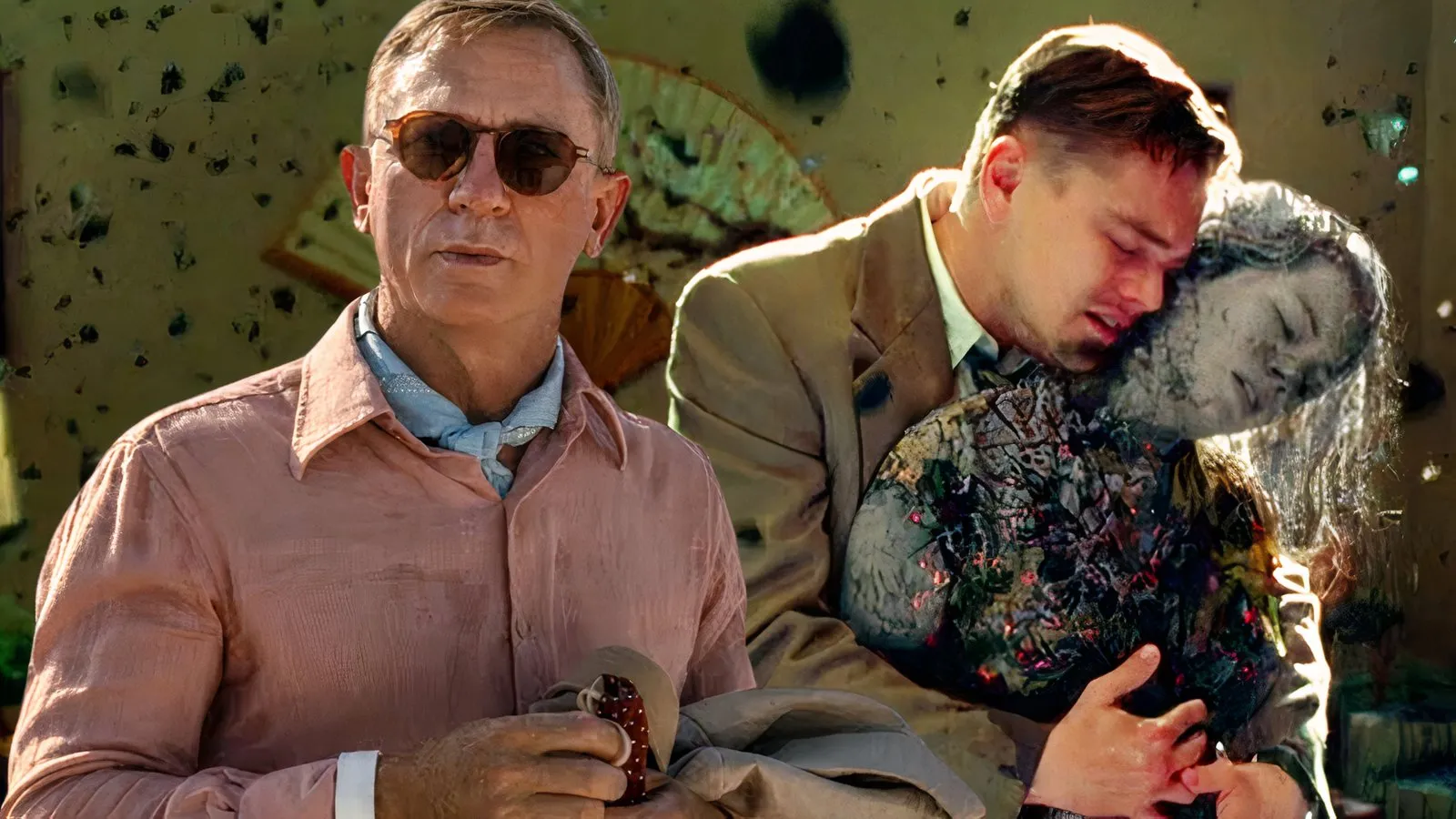
There are many reasons why a movie is a hit, from having an engaging story that commands the audience's attention to boasting clever filmmaking techniques and captivating performances. Some of the most elite films are so carefully constructed that a single watch barely scratches the surface. Seemingly insignificant visual clues, a throwaway line of dialogue, or a character's unusual reaction can take on an entirely new meaning once you know how the story unfolds.
Whether they're packed with subtle foreshadowing, clever narrative tricks, or layers of meaning that are easy to miss the first time around, many hit movies become even more rewarding upon a rewatch. Horror movies like Get Out and thrillers like Shutter Island encourage audiences to go straight back to the beginning after the credits start rolling, offering another incredible viewing experience on the second or third watch.
Se7en director David Fincher has no shortage of great movies, but one of his masterpieces only gets better with each rewatch.
Though it faced a troublesome development, David Fincher's Fight Club is now a critically acclaimed and award-nominated psychological thriller. Edward Norton stars as the Narrator, a bored, lonely office worker whose consumer-driven life completely changes upon meeting Brad Pitt's Tyler Durden, a charismatic and seemingly free salesman. Together, the pair begin an underground fight club to vent their emotions and feel alive, but it gains a massive following and eventually transforms into an out-of-control anarchist group led by Durden.
Fight Club 's story is captivating enough, given the gravitas and charisma of both actors' performances and the anti-establishment and anti-consumerist message at the film's surface.
Source link