Some genre books feature intricate concepts that are tricky to convey onscreen
Science fiction has always asked hard-hitting questions about reality. The genre is at its best when it explores real-life social issues through futuristic allegories, inspires actual scientific inventions or research concepts, and teaches us key lessons about unchecked power and encroaching technology. The unlimited potential of the written word is a big part of what gives sci-fi its power, but for over a century, film has also excelled at bringing some of the best sci-fi novels to life on the big screen, from adaptations of Christopher Priest’s The Prestige to P.D. James’ Children of Men.
In some cases, a sci-fi movie adaptation can be spectacular, and still feel like a pale imitation of the source material. This has less to do with the quality of the adaptation itself, and more with the nuances that can only be conveyed through the literary medium. Sci-fi stories get streamlined and condensed onscreen for valid reasons, but the original still shines brighter in some respects. Here are five such examples where you're better off going straight to the source material than watching the movie it inspired.
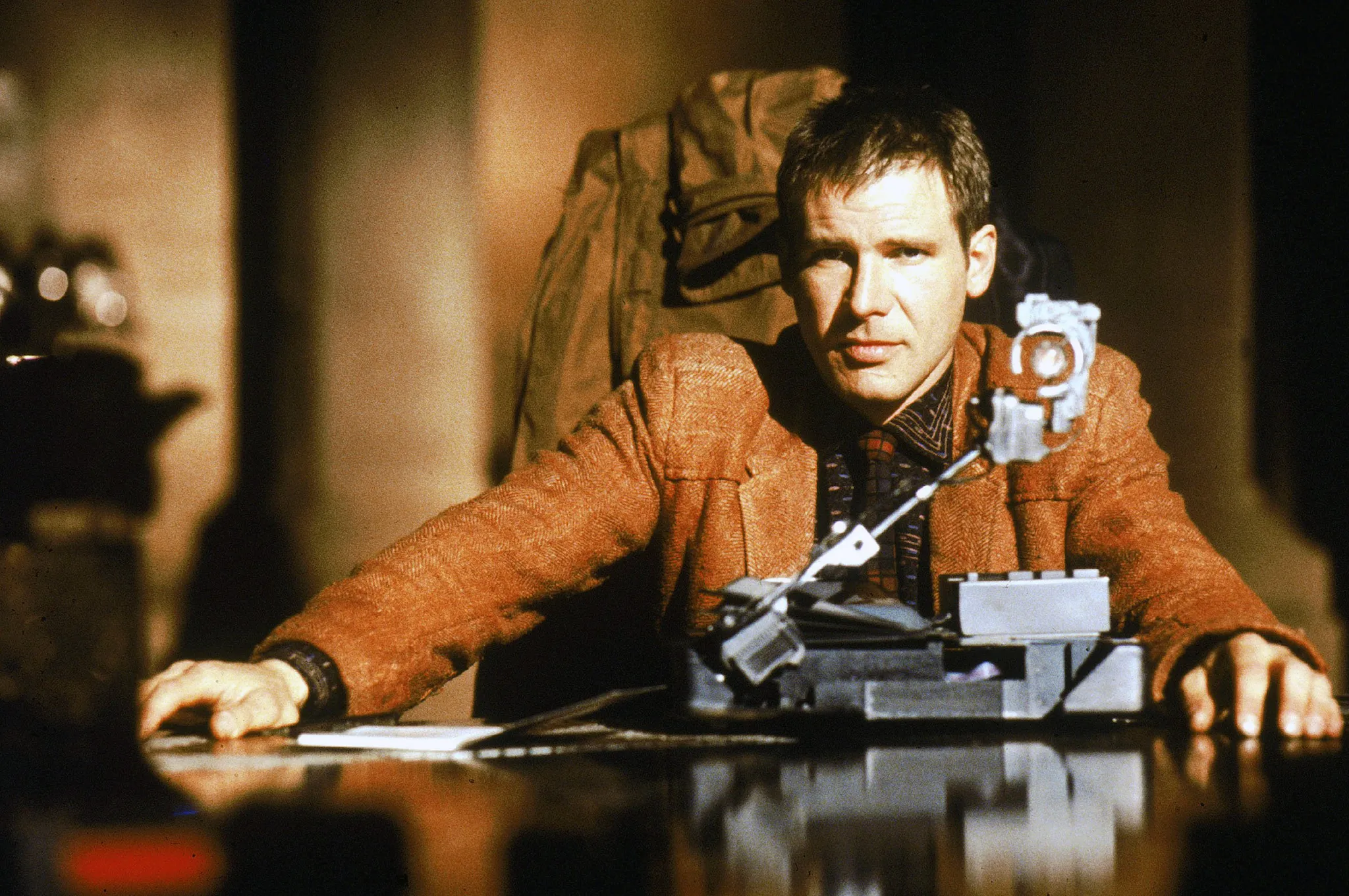
Ridley Scott’s Blade Runner (1982) is a foundational cyberpunk film. It's also a sensational read of Philip K. Dick’s book, Do Androids Dream of Electric Sheep? , despite being loosely based on it. F. Sebastian to fulfill this role) aids the fugitives while they’re on the run. The 1982 film, however, is a significantly stripped-down version of the book, given that it needs to focus on Deckard (Harrison Ford) and his complex relationship with the replicants.
Source link