You can track the evolution of the American comic strip through its typical depiction of childhood. Early 20th century strips like Ernie Bushmiller's Nancy (1933) show kids' lives as relatively prosaic, particularly given the culture and publication standards of the time. While their child protagonists might have faced some incidental frustrations, the comics page was mostly about gentle humor. Yes, Sluggo is a homeless orphan, but no, that isn't a source of angst or conflict.
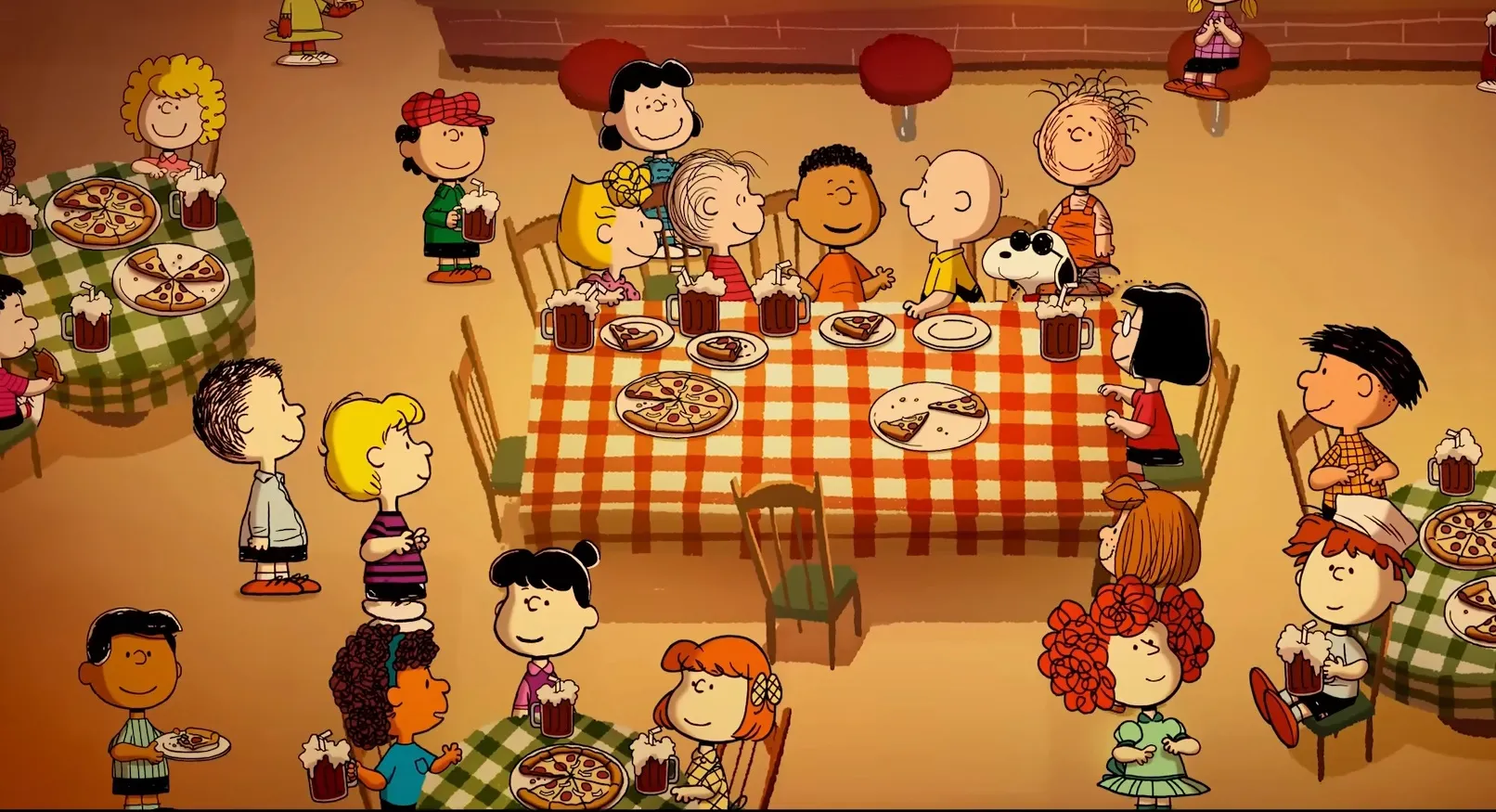
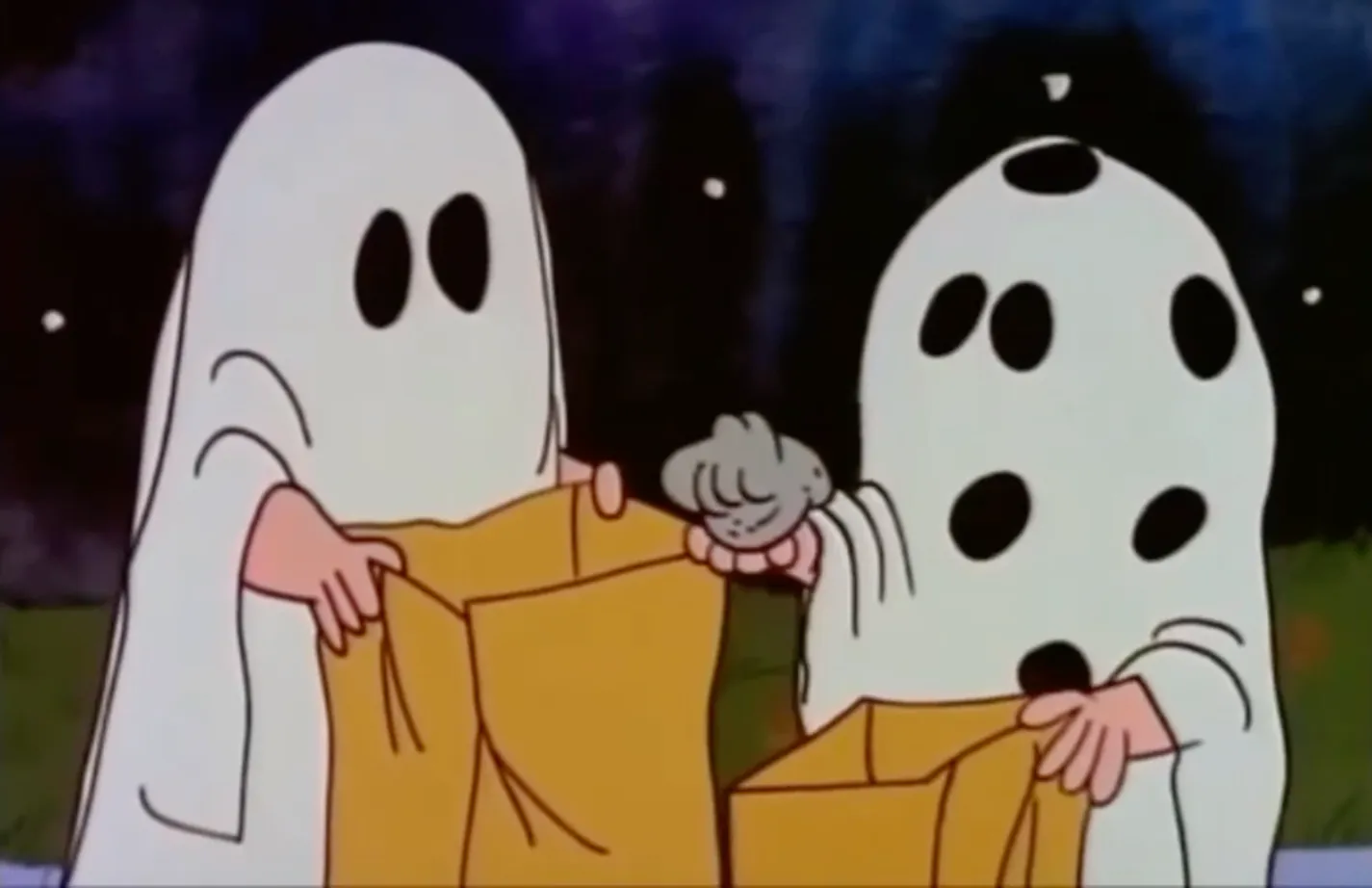
Charles Schulz's Peanuts has become a sort of cultural shorthand for safe, family-friendly entertainment, but for its first decade, it was a genuinely daring comic. Schulz's kids were frustrated, unlucky, and often pointlessly cruel to one another, in a more realistic approach to kids' behavior than most comic strips risked showing at the time. Even if you don't have any particular use for Peanuts itself, you can see it as a necessary stepping stone towards the edgier mainstream comics of the 1980s and '90s, like The Boondocks or even Calvin and Hobbes.
Even at his most potentially controversial, Schulz was never interested in "very special episodes." No one in the Peanuts gang usually had to deal with anything more serious than academic underachievement. That's part of why some other comics' big swerves, like the death of Andy Lippincott in Doonesbury or the raccoon cub storyline in Calvin and Hobbes, hit as hard as they did at the time. You didn't often see the funny pages get anywhere near topics like death or mortality.
Source link