What makes a love story work? For it to transcend, a love story needs more than good-looking actors, chemistry, and romantic dialogue. There’s no set formula, but it must sweep you off your feet. A touch of sadness and wistfulness never hurts.
35 years ago, Tim Burton delivered one of his quintessential films. After directing Batman and finding box-office success, he had a blank check for his next project. He made one of his most personal stories, one that he’d been dreaming of for years: a Gothic fairy tale and one of the strangest films to enter the mainstream. Edward Scissorhands came out in 1990 and has since become one of Burton’s staple movies. It’s also a timeless love story.
Despite how much I love it, this movie has a pretty weird concept: Caroline Thompson, the film’s screenwriter and one of Burton’s key collaborators, described Burton’s pitch as “the stupidest idea I’d ever heard of.” It marked their first collaboration, with Burton sharing that the idea of an artificial man with scissors for hands came from one of his high school drawings.
Thompson had written a book about a monster fetus, which Burton was a fan of, feeling like it had similar themes to his own work. And despite the silly premise, Thompson understood Burton’s idea and why it was so effective. “I knew it was brilliant,” she said. “It was just so clean and so stark in its meaning.”
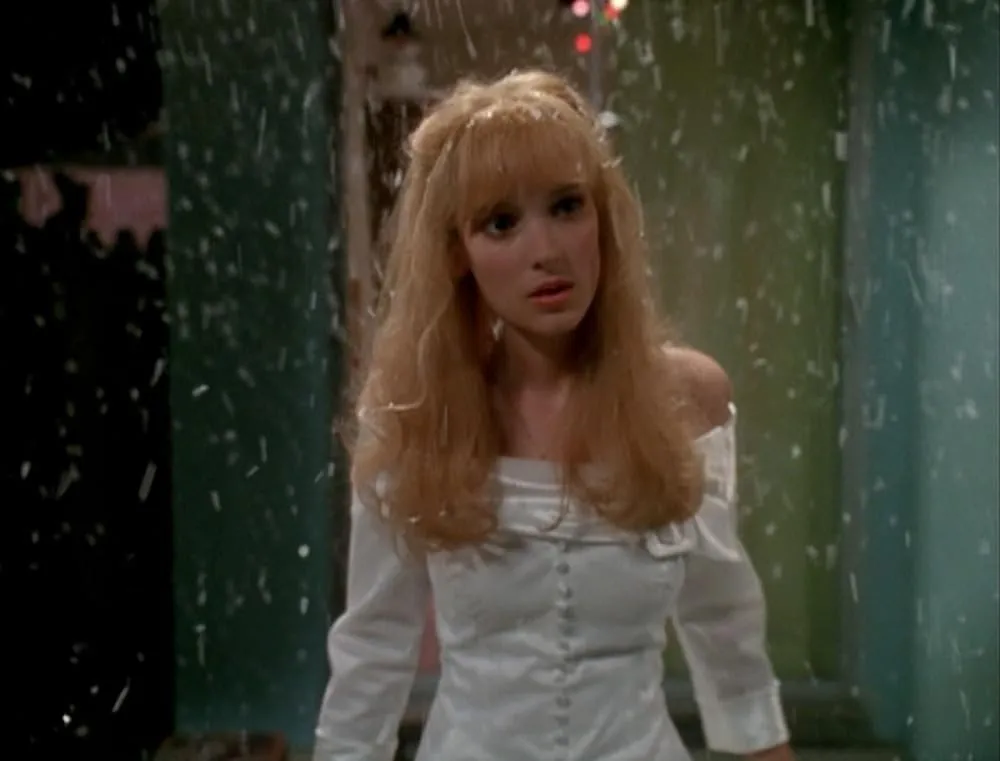
Edward Scissorhands begins with a framing device. An elderly lady tells her granddaughter the story of why it snows on Christmas.
Source link