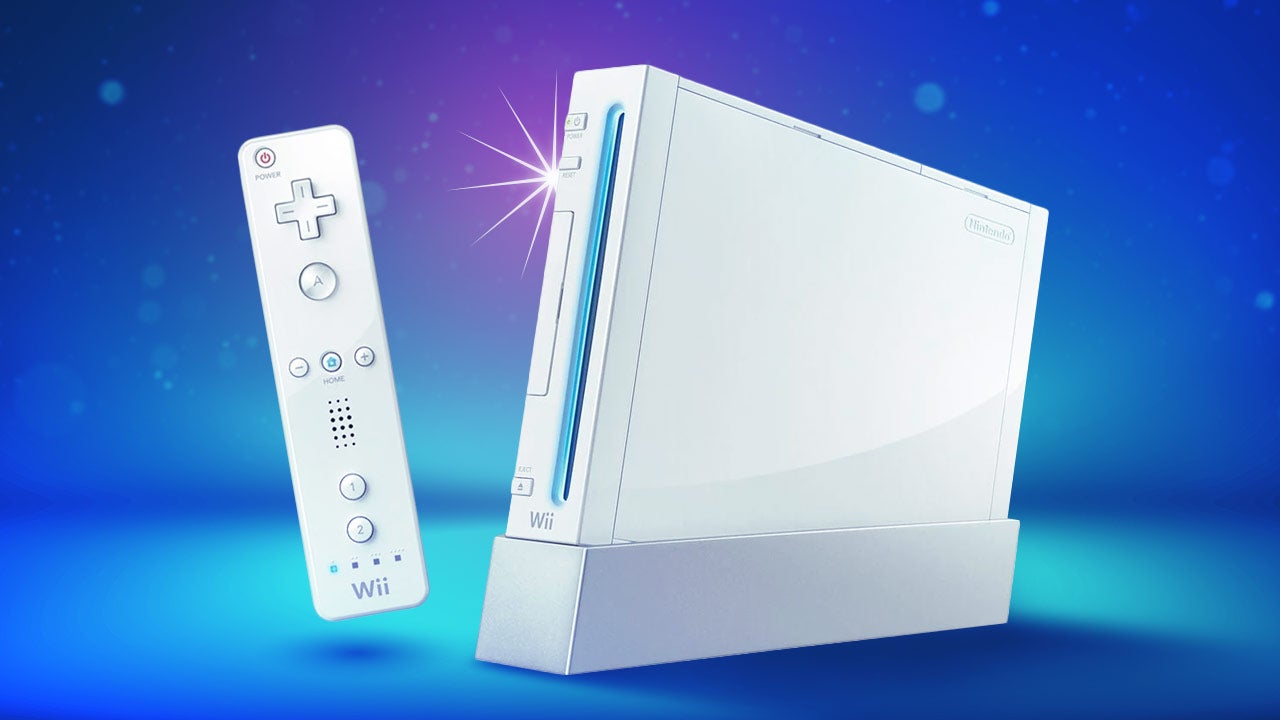
This is an opinion piece from writer Ryan Gaur. IGN's opinion columns represent the personal viewpoints of the writer, drawing on their own experiences and research to explore the exciting world of video games.
At the end of the GameCube’s life cycle, Nintendo was in uncharted territory. Not only had it “lost” the latest generation of the console wars – something unfathomable only a decade prior – but it had lost twice on the bounce. Sony’s PlayStation had been the talk of the town since 1994, its hardware not only allowing for significant evolution of video games as a medium, but also becoming hubs for movies and music. Meanwhile, the might that Microsoft could put behind its new Xbox brand was daunting, especially when it came to its innovative online Xbox Live technologies.
It was beginning to feel like Nintendo could no longer compete. So they chose not to. Enter: the Nintendo Wii.
20 years later, the legacy of the Wii is much, much deeper than simply the console that popularised motion controls and birthed a litany of online videos depicting people yeeting their controllers into their TVs. The Wii represents a moment where Nintendo outsmarted the entire games industry, leaving Sony and Microsoft to fight over the relatively small number of gaming hobbyists that existed in the mid 2000s.
Instead, Nintendo looked to court the billions of people who had never picked up a controller in their life. A strategy that could have alienated Nintendo’s fanbase in favour of an audience who may not have been interested to begin with has ended up being the most pivotal in the company’s history.
Source link