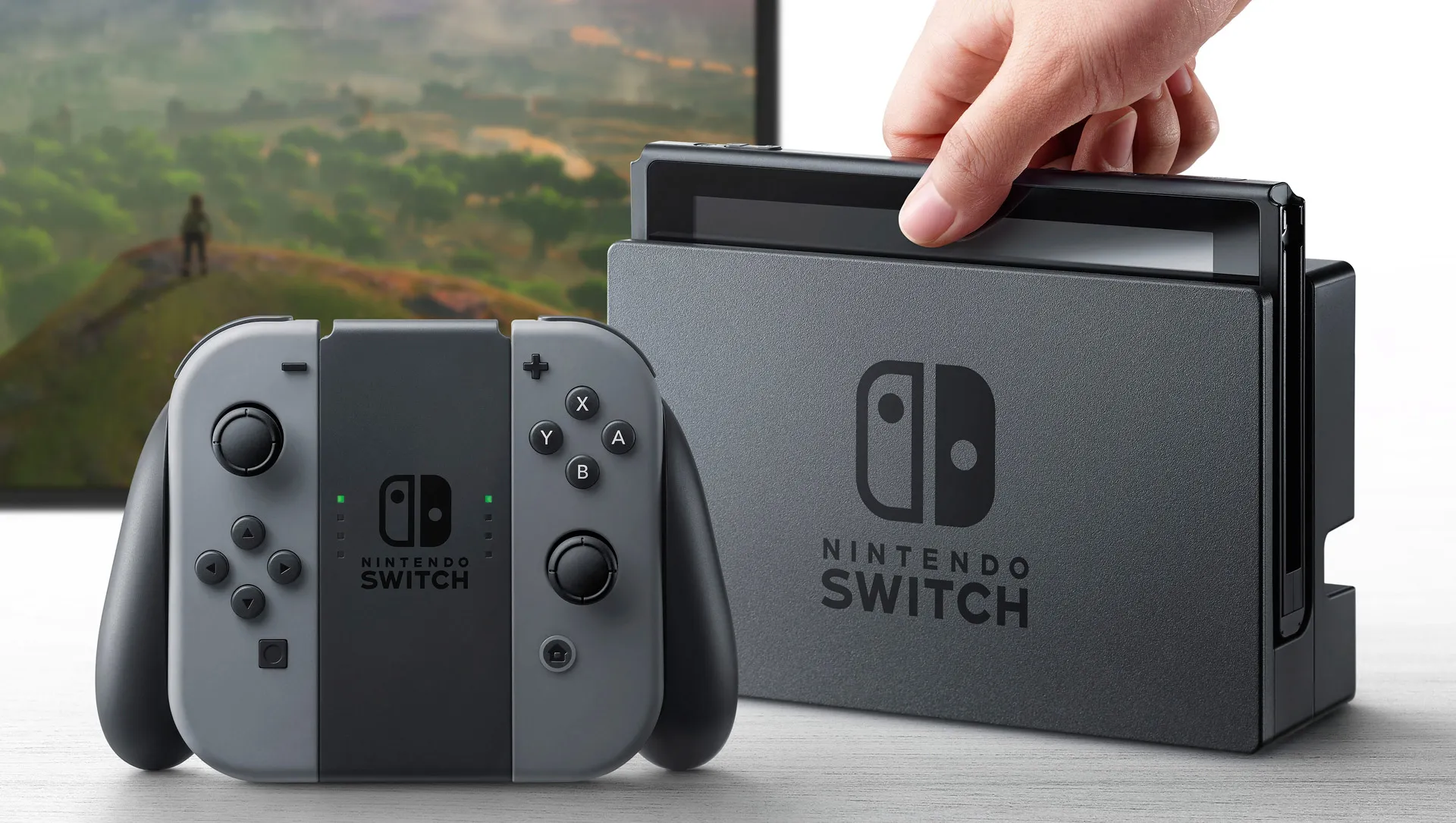
It seems outlandish to think about now that it’s sold 156 million units, but there was a lot of skepticism about the Nintendo Switch in October 2016.
The Wii U had been a massive flop, selling just 13.5 million units in its lifecycle, making it the second-worst-selling Nintendo console since the Virtual Boy. Thanks to a July 2016 Eurogamer report, observers already knew the project codenamed “Nintendo NX” was a portable system that used a docking station to connect to a TV set. To skeptics, the NX sounded underpowered compared to the PlayStation 4 and Xbox 360 — and had too much in common with the unpopular Wii U. What’s more, handheld consoles had fallen pretty dramatically out of fashion amid the rise of smartphones and free-to-play mobile games throughout the 2010s.
While some aspects of that first look haven’t aged particularly well, much of the company’s vision for the Switch remains consistent even today. A decade later, let’s take a look back at some highlights from the reveal.
Two things were conspicuously absent from this three-and-a-half minute video: young children and the red and blue Joy-Cons that would become the Switch’s trademark color scheme. Handheld game consoles had a pretty strong association with children at this moment in the industry, so the point Nintendo was driving at here is clear: this is a slick piece of tech for busy adults with social lives — and rooftop house parties to attend. Yes, you could see Mario and Link, but Nintendo also wanted it to be abundantly clear that this machine also played more “adult” third-party games like NBA 2K18 and Skyrim .
Source link