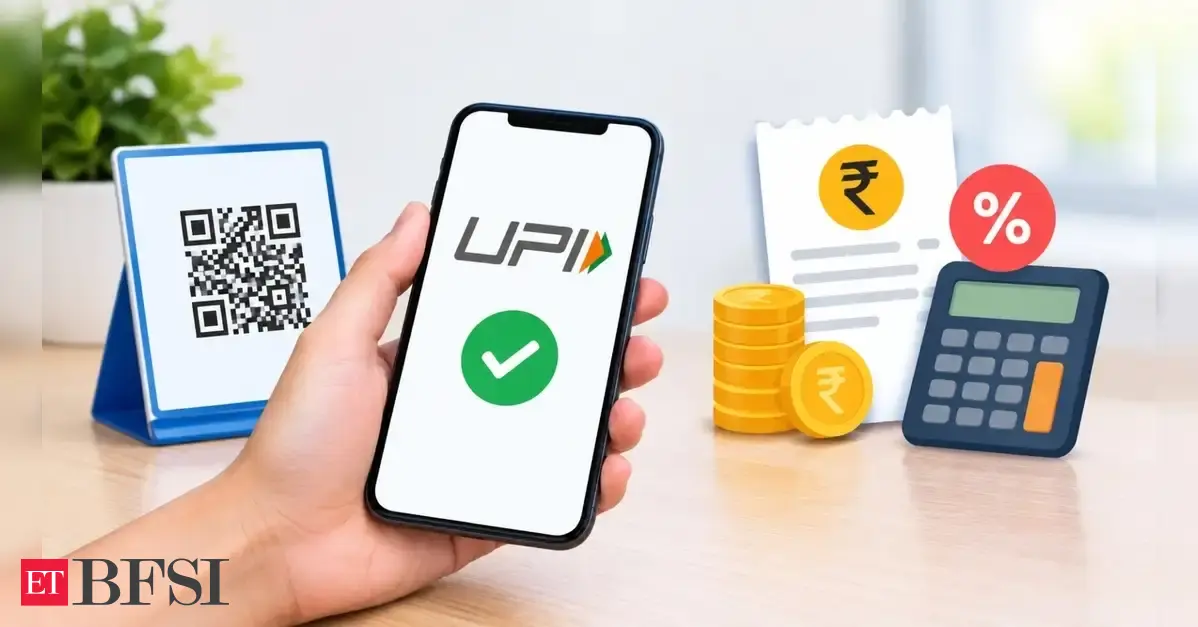
UPI's new MDR could test the usefulness of transaction data as a proxy for small-business sales if merchant payment behaviour changes.
SBI is developing UPI based lending for small businesses without GST registration, using transaction data as a proxy for sales. Transactions above Rs 2,000 account for about 4% of P2M volumes but 67% of P2M value, making merchant behaviour after MDR important for lenders. A change in UPI payment patterns could make transaction data a less complete proxy for sales, even if the underlying business remains stable.Banks will need to distinguish changes in digital payment behaviour from actual changes in business performance when using UPI data for lending.
Banks could face a new challenge in using UPI transaction data for cash-flow based lending if the introduction of Merchant Discount Rate changes how merchants receive payments. The issue is not access to UPI data, but whether the digital transaction trail continues to accurately reflect a merchant's overall sales. State Bank of India is developing a lending solution that will use UPI transaction data as a proxy for sales to extend loans to small businesses that do not have GST registration. The initiative illustrates how payment data is increasingly being used to assess businesses that have limited conventional financial records. Advt
4% MDR will apply to specified person-to-merchant UPI transactions above Rs 2,000, subject to a maximum charge of Rs 300 for transactions of Rs 75,000 and above. About 96% of P2M transactions will remain outside the MDR framework, while P2P transactions will continue to be free.
Source link