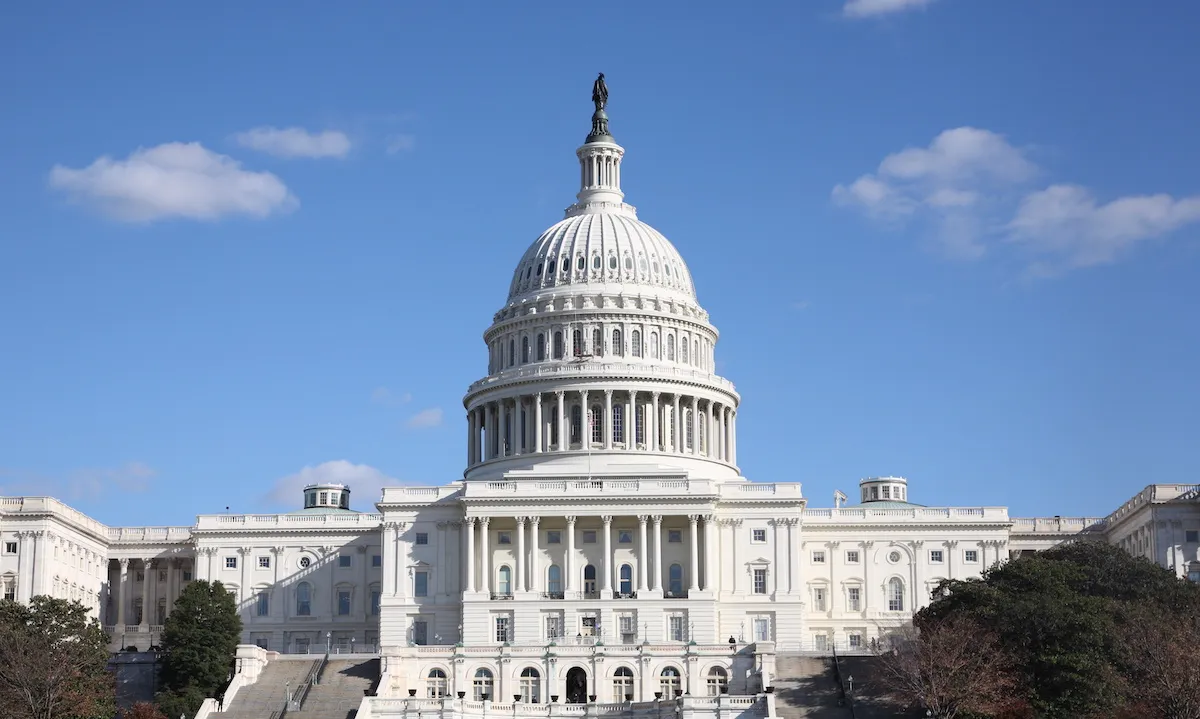
Washington’s committee reshuffle could redraw crypto’s competitive map. New leadership may put stablecoin rewards, banking access and regulatory exemptions under scrutiny, potentially favoring established banks over crypto-native challengers.
Crypto won the legislation. Now comes the fight over who controls it. Democrats’ congressional gains threaten to shift the industry's biggest battle from passing laws to influencing how regulators interpret and enforce them.
The GENIUS Act survived the midterms. Its business model advantages may not. The next regulatory decisions could determine who captures stablecoin revenues, controls distribution and ultimately profits from digital dollars.
The cryptocurrency industry spent heavily to shape the next Congress. Now it may have to spend the next two years defending the regulatory ground it already won.
Complete the form to unlock this article and enjoy unlimited free access to all PYMNTS content — no additional logins required.
Democrats captured control of both chambers in Tuesday’s (Nov. 3) midterm elections, reversing the Republican majorities that helped deliver landmark stablecoin legislation with the GENIUS Act and advance a broader overhaul of digital asset regulation. The results also threaten to elevate some of crypto’s most persistent congressional critics into positions with the power to set legislative priorities, summon executives and scrutinize federal regulators.
Washington’s next crypto battle may be fought less through legislation than through regulatory implementation, agency oversight and disputes over which institutions can offer digital financial services, and on what terms.
For banks, payment processors and cryptocurrency companies, the immediate consequences extend beyond whether another major bill reaches President Donald Trump’s desk to encompass just which agencies and legal implementations get to define the boundaries of the digital asset economy under laws that already exist.
Source link