

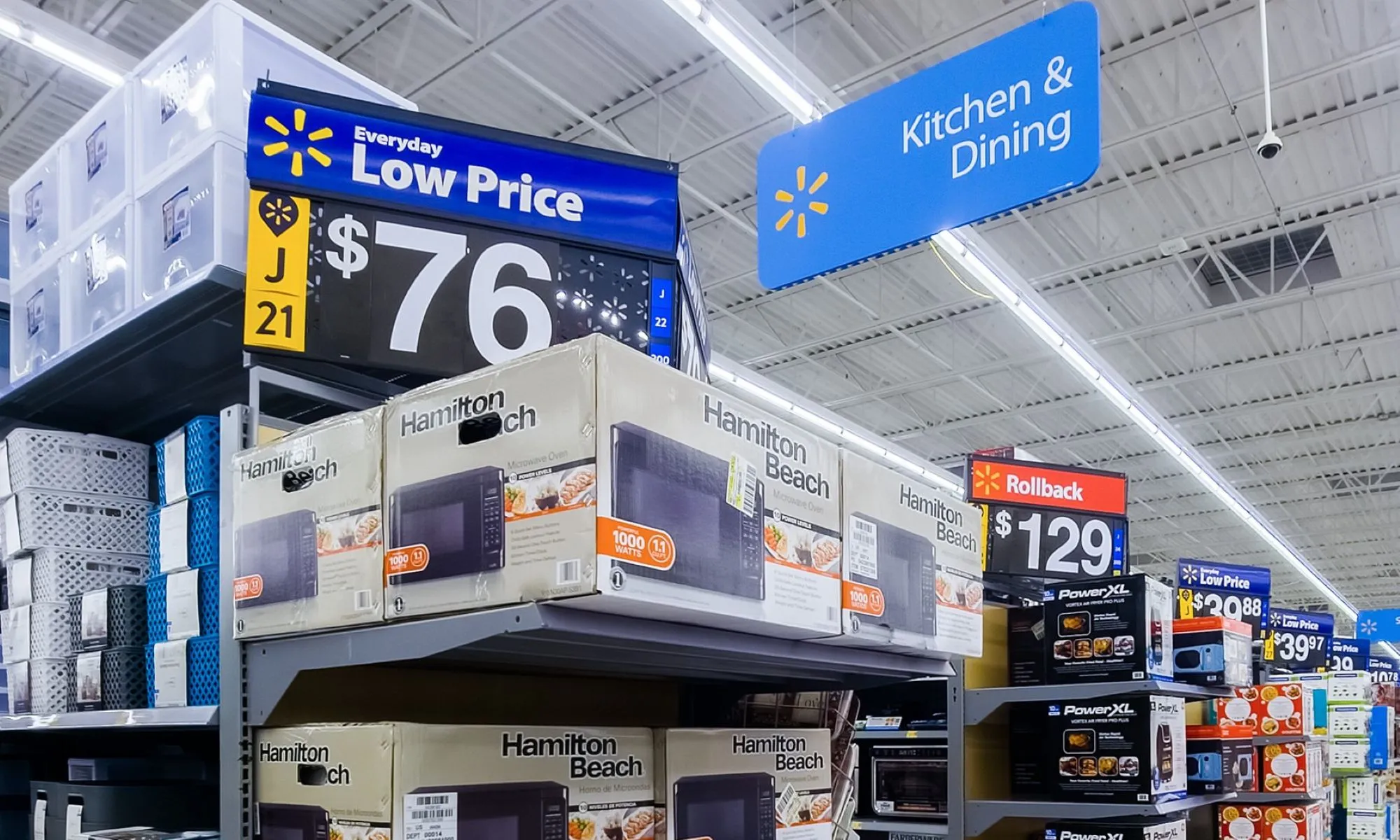
Walmart has spent years making low prices its competitive advantage. Now, it faces the more complicated test of proving that the customers attracted by those prices are worth more to the business.
Complete the form to unlock this article and enjoy unlimited free access to all PYMNTS content — no additional logins required.
When the retail giant reports fiscal third-quarter earnings this Thursday (Nov. 19), investors will be looking beyond comparable sales and holiday forecasts for evidence that Walmart’s expanding digital ecosystem can convert customer traffic into higher-margin revenue. Walmart’s opportunity is to make money from more than the products customers put in their carts.
Its marketplace, advertising network, membership program and fulfillment infrastructure create additional ways to monetize each shopping relationship. As a result, Walmart’s next stage of growth may depend less on how cheaply it can sell merchandise than on how profitably it can serve the customers those prices attract.
Thursday’s results will help establish whether that model is becoming more profitable as the holiday shopping season accelerates.
Wall Street expects Walmart to report adjusted earnings of about 64 cents per share, up from 62 cents a year earlier. The more consequential question is what is driving those sales.
S. 5% rise in transactions. Management has also committed to using tariff refunds to support lower prices and improve the shopping experience. Those investments create a measurable trade-off. Lower prices can attract shoppers, increase purchasing frequency and capture market share, but the resulting volume must eventually justify the margin sacrificed to generate it.
Source link





