
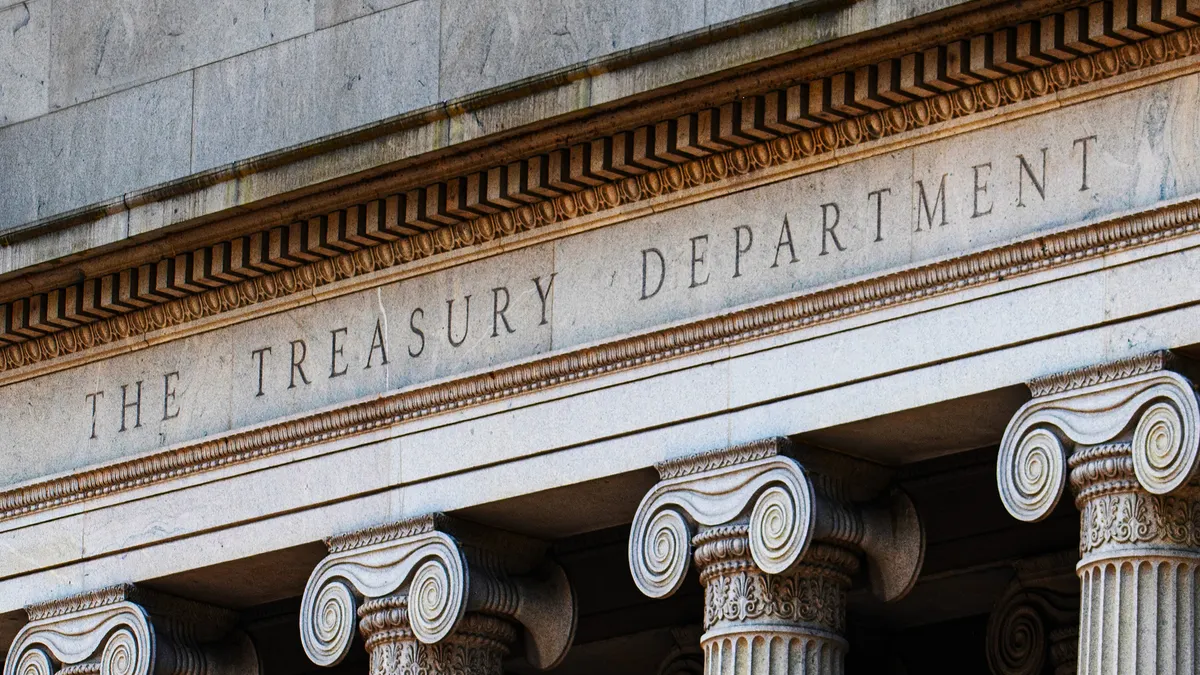
The U.S. department has increased its scrutiny of payments using new sources of data in an attempt to stem past ‘pay and chase’ patterns.
The Treasury Department is increasingly using data to help prevent the U.S. government from sending payments to bad actors, Secretary Scott Bessent said this week in an update on fighting fraud.
Newly deployed safeguards, including the ability to tap additional sources of data, helped protect some $3.7 trillion in payments, the department said in an Oct. 6 press release.
“Treasury continues to transform how the federal government protects taxpayer dollars by using better data, stronger controls, and advanced technology to stop fraud and improper payments before money goes out the door,” Bessent said in the release.
The federal government’s increased vigilance in fighting fraud comes as artificial intelligence increases the threats posed not only to government agencies, but also consumers and companies. Indeed, some industry professionals have said that the federal government has not been playing a significant enough role in helping to combat the mushrooming fraud problem.
The threat of scams, where fraudsters induce consumers, companies or other organizations, to send payments under false pretenses has become a particularly troubling issue. Americans are bilked out of $119 billion annually, according to estimates in a March report from the Consumer Federation of America that included an approximation of incidents that go unreported.
Treasury’s increased scrutiny of government payments followed an executive order last year from President Donald Trump’s calling for a crackdown on “fraud, waste and abuse” that might affect the government’s trillions of dollars in annual payments.
Source link





