Getting an acquisition across the finish line can take months of negotiations, due diligence, paperwork and financial scrutiny. But closing the deal is only half the battle. The real challenge comes when you integrate the business, unlock synergies, and deliver the value that justified the deal in the first place.
Much of this heavy lifting falls on CFOs, who are expected to go beyond balancing the books to evaluate acquisition targets, assess financial risks, structure deals and ensure the business derives long-term value from the transaction.
This is part of a broader shift in the CFO’s role, from financial oversight to strategic decision-making. Whether determining how to extract value from an acquisition or assessing if an investment in AI will deliver adequate returns, finance leaders are making critical capital-allocation decisions while ensuring the business stays on track to meet its growth ambitions.
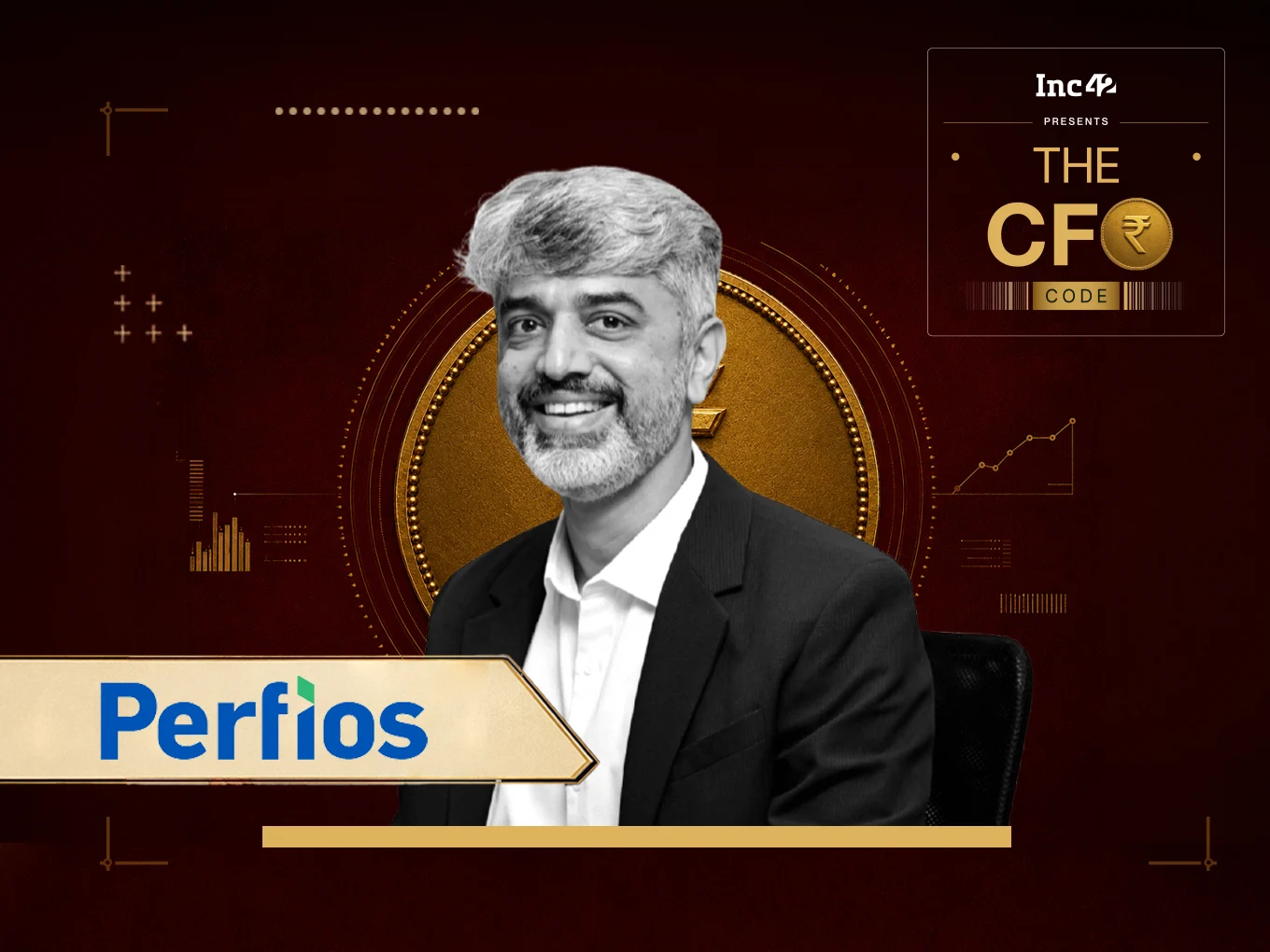
At Perfios, a B2B SaaS fintech serving more than 1,000 financial institutions across multiple geographies, Group CFO Prashant Mahagaonkar sits at the heart of these decisions.
With more than 25 years of experience across traditional finance, multinational companies, M&A and venture-backed businesses, Mahagaonkar’s career has given him a front-row seat to the changing nature of the finance function.
For the concluding edition of The CFO Code series, Inc42 caught up with Mahagaonkar to discuss his experiences and learnings from decades of building finance systems, integrating acquisitions and working alongside founders and CEOs.
Speaking with Inc42, Mahagaonkar broke down how his role has evolved, what he has learnt from acquisitions, why CFOs need to question technology spending, and what he believes will define the next generation of finance leaders.
Source link