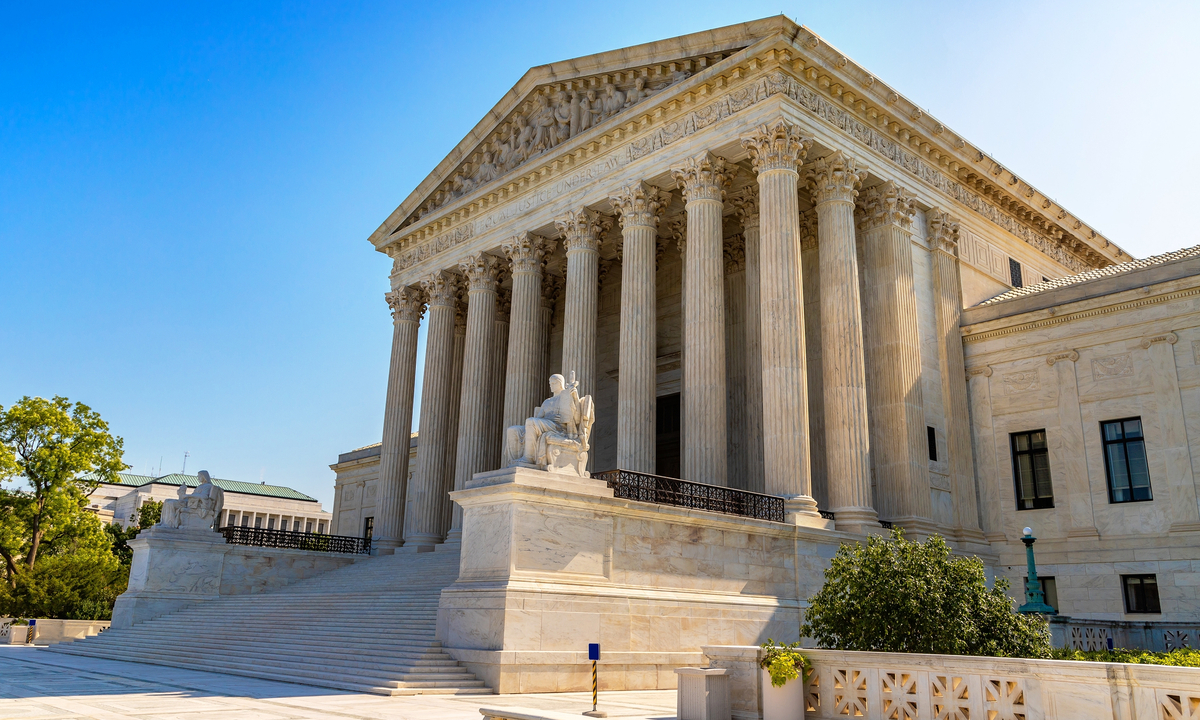
The U.S. Supreme Court denied Custodia Bank’s request that the court hear the company’s appeal in which it attempted to gain access to the Federal Reserve payment system, Bloomberg reported Monday (Nov. 16).
Complete the form to unlock this article and enjoy unlimited free access to all PYMNTS content — no additional logins required.
The Supreme Court’s decision left untouched a federal appeals court decision that upheld the Federal Reserve Bank of Kansas City’s rejection of Custodia’s application for a master account, according to the report.
The U.S. Court of Appeals for the Tenth Circuit upheld the Fed’s discretion to deny Custodia Bank access to the Fed’s payment rails, PYMNTS reported in October 2025.
A master account at one of the 12 regional Reserve Banks allows an institution to hold reserves and settle payments without relying on an intermediate bank. This has long been coveted by FinTechs and non-traditional financial institutions because it promises faster settlement and lower cost for firms offering new payments products, the report said.
In the case that was decided in October 2025, the federal appeals court concluded that the Reserve Banks retain full discretion to reject master account requests from otherwise eligible institutions.
Custodia had argued that a clause in the 1980 Monetary Control Act required automatic approval. The Kansas City Fed acknowledged Custodia Bank’s statutory eligibility but determined its crypto-centric business model carried “undue risk” to the payment system and was “highly likely inconsistent with safe and sound banking practices.”
Cryptocurrency industry trade group Blockchain Association filed an amicus brief supporting Custodia Bank’s petition for Supreme Court review, arguing that the federal court of appeals went too far when it ruled that Federal Reserve Banks have discretion to deny master accounts to institutions legally eligible for them.
Source link