
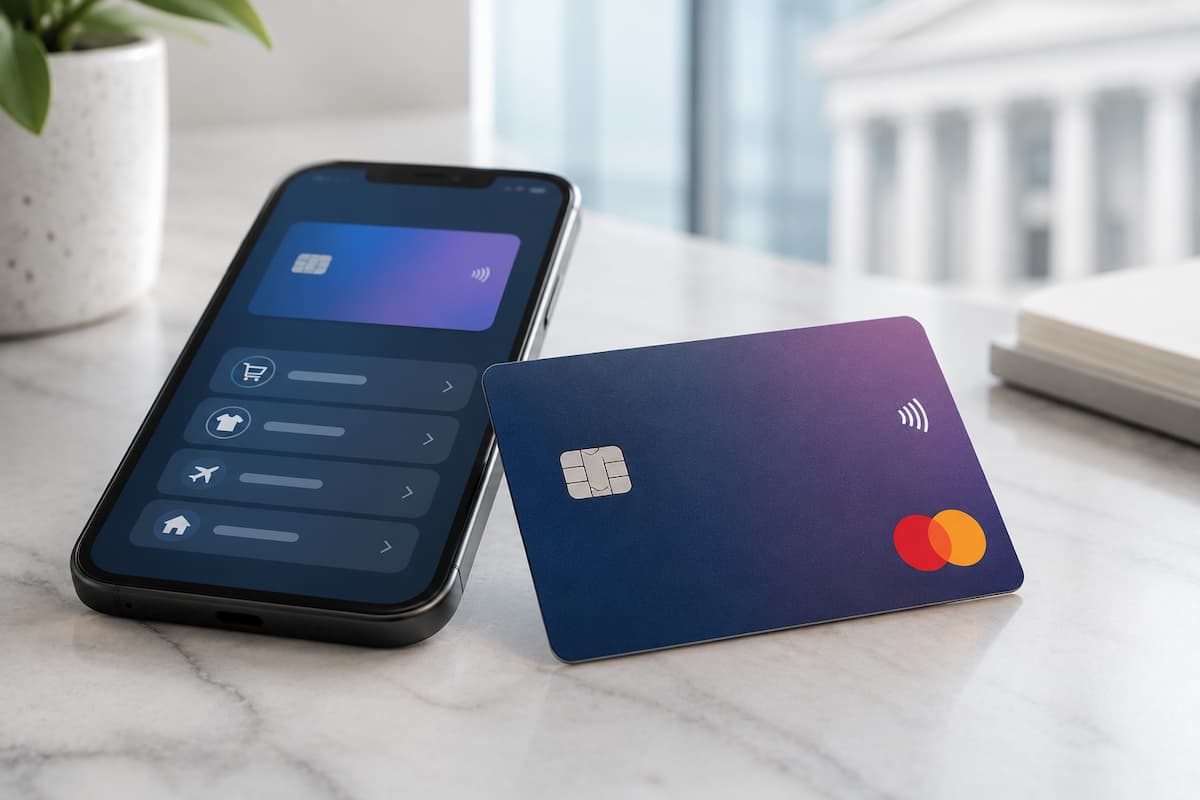
The card works through a consumer-set spending threshold configured in the bank’s own mobile app. Purchases below the threshold are settled in full within 30 days, while those above it can be split automatically into fixed monthly payments. Cardholders retain the ability to switch a purchase back to full payment, or to adjust the instalment schedule, before their statement closes. Splitit supplies the instalment engine and an AI-enabled mobile experience that banks embed within their existing digital infrastructure; Mastercard provides the acceptance network, tokenisation, Zero Liability protection and dispute resolution.
Chief executive Nandan Sheth framed the product around a structural shift in consumer borrowing preferences: “Banks already have the relationship, the brand and the primary account. What many of them lack is a way to offer instalment plans at the point of purchase without having to build a lending business from scratch. Our white-label card gives them that, under their own name.”
The addressable target, mid-sized banks and credit unions, is a segment that has historically been unable to compete with larger issuers or fintech challengers on instalment credit. Building a proprietary buy-now-pay-later or instalment programme in-house requires significant technology investment, regulatory approval and underwriting infrastructure. A white-label arrangement shifts that burden to Splitit and Mastercard, while allowing the institution to retain the customer relationship and the data that comes with it. That data point is increasingly consequential as card-linked loyalty and personalisation become differentiators in retail banking.
The instalment credit market has become congested since the first wave of standalone buy-now-pay-later providers scaled rapidly after 2019.
Source link