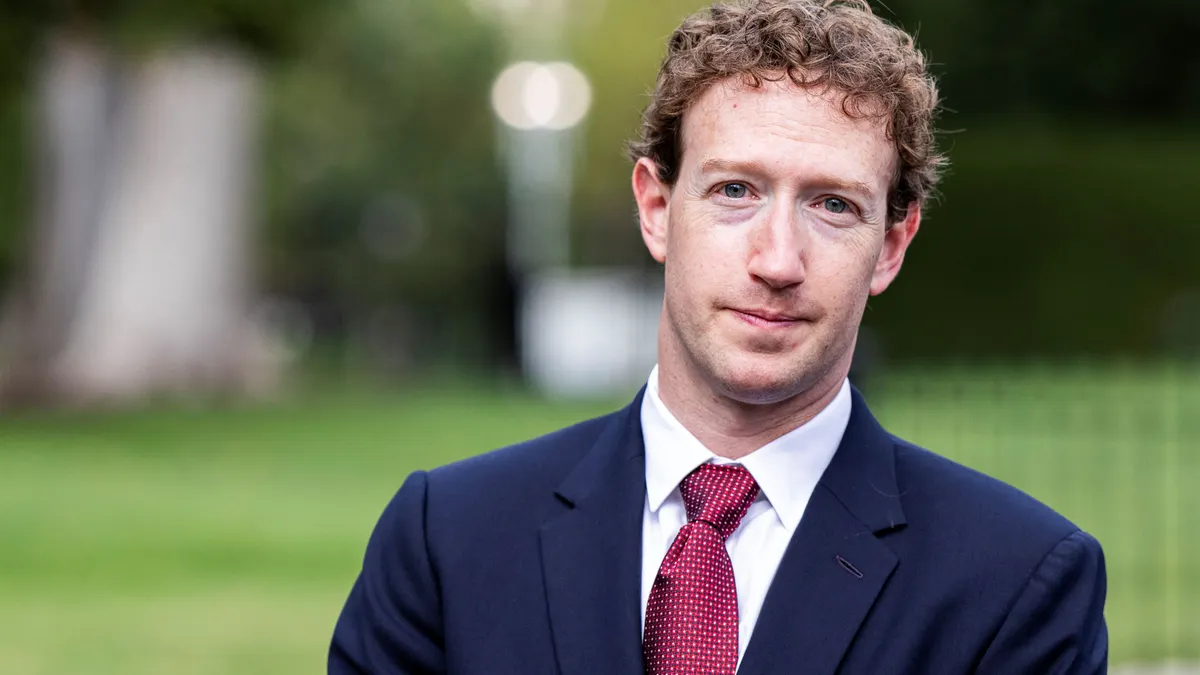
About a quarter of the personal agent’s earliest adopters look to shop, with an average purchase size around $200, Meta’s CEO said.
Meta’s third-quarter earnings report Wednesday was its first since the Sept. 8 debut of the personal AI agent. Meta describes the digital agent as one that requires no technical experience and “no learning curve.”
Stripe charted a significant increase in agentic commerce, starting last month, the company’s president, John Collison, said last week, during a podcast he hosts. He described the increase in the bot-driven commerce as he conversed with Zuckerberg, saying the Stripe agentic activity “started going vertical,” in September. Collison’s brother Patrick Collison, who is Stripe’s CEO, sits on Meta’s board of directors.
Muse, along with personal agents like Instinct, and the open source agent OpenClaw, are viewed by some in the payments industry as the likeliest gateways for agentic commerce to expand into agent-driven consumer transactions.
The topic of AI-driven commerce – including agentic transactions and whether a “human in the loop” model will ever yield to fully machine-driven payments – was a major topic of discussion at the annual Money20/20 financial technology conference this week in Las Vegas.
Agentic spending remains far from ready for mass public use, with multiple parties in the retail ecosystem still needing to sort out a variety of issues, including liability, Early Warning Services CEO Cameron Fowler said Monday in an interview.
S. banks, several of which have moved to block access by AI agents such as Muse to their customers’ accounts.
Source link