Complete the form to unlock this article and enjoy unlimited free access to all PYMNTS content — no additional logins required.
Some AI tools now handle business activities like credit decisioning, customer service and fraud detection. That raises a simple question: Who makes sure these systems get it right? The nation’s top bank regulator offered its answer.
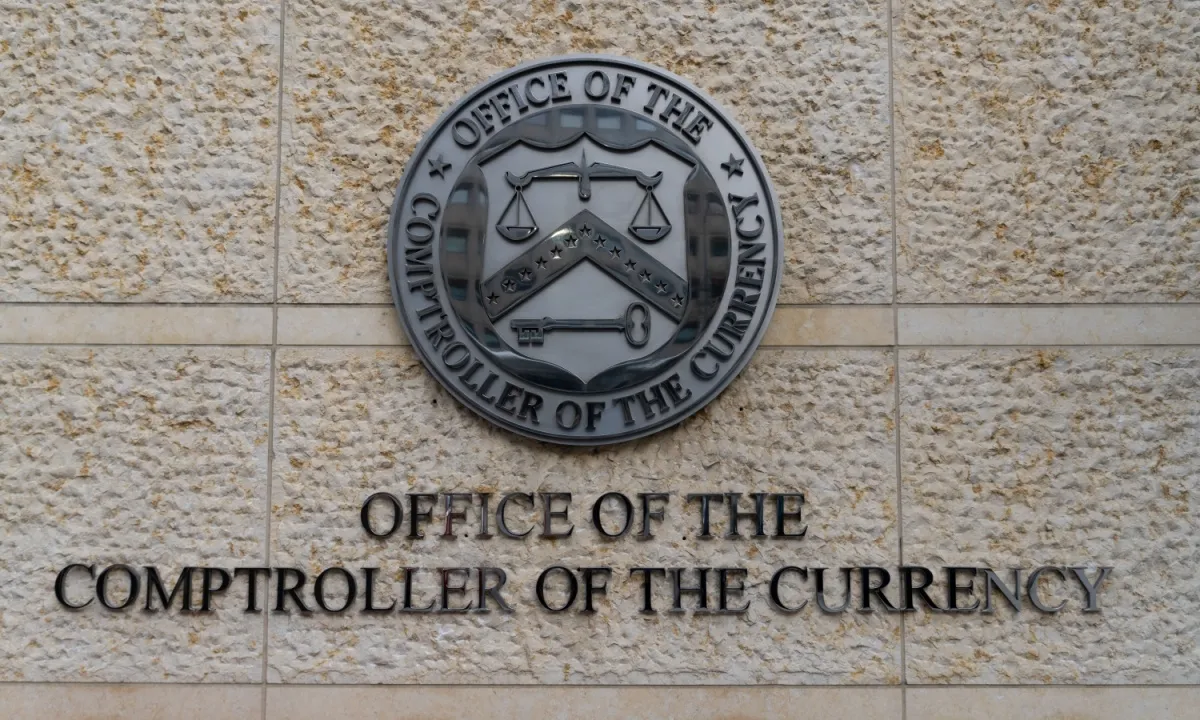
The Office of the Comptroller of the Currency released Nov. 4 the “OCC Supervisory Framework on Bank Use of Super Intelligence,” a new guide to help its examiners review how banks use AI.
The guide focuses on generative AI, which creates text and other content. It also covers agentic AI, which can take actions without a person stepping in each time. The OCC called this technology super intelligence, the term used by the executive branch in place of artificial intelligence, according to a Sept. 29 executive order signed by President Donald Trump.
The guide doesn’t create new rules for banks, according to an analysis from law firm Ballard Spahr. It’s a resource for the people who inspect them. Banks won’t have to treat AI as its own risk category. Examiners will instead look at how AI changes the risks banks already manage. These include fraud, privacy, cybersecurity and work with outside vendors.
The OCC built the guide around six areas, per the analysis. Examiners will ask what an AI system is allowed to do and what happens if it makes a mistake. They’ll look at the guardrails a bank has in place and who’s keeping watch.
Source link