

Sixty-one percent of surveyed firms reserve real-time identity checks for high-value or high-risk payments.
Forty-three percent of scam victims made or authorized a payment within an hour of first contact.
Fifty-five percent of victims cut back on answering unfamiliar calls after a scam.
A change in a supplier’s bank account gives the sending bank two things to verify before releasing payment. One is whether the name on the new account matches the intended payee. The other is whether the supplier actually requested the change.
Complete the form to unlock this article and enjoy unlimited free access to all PYMNTS content — no additional logins required.
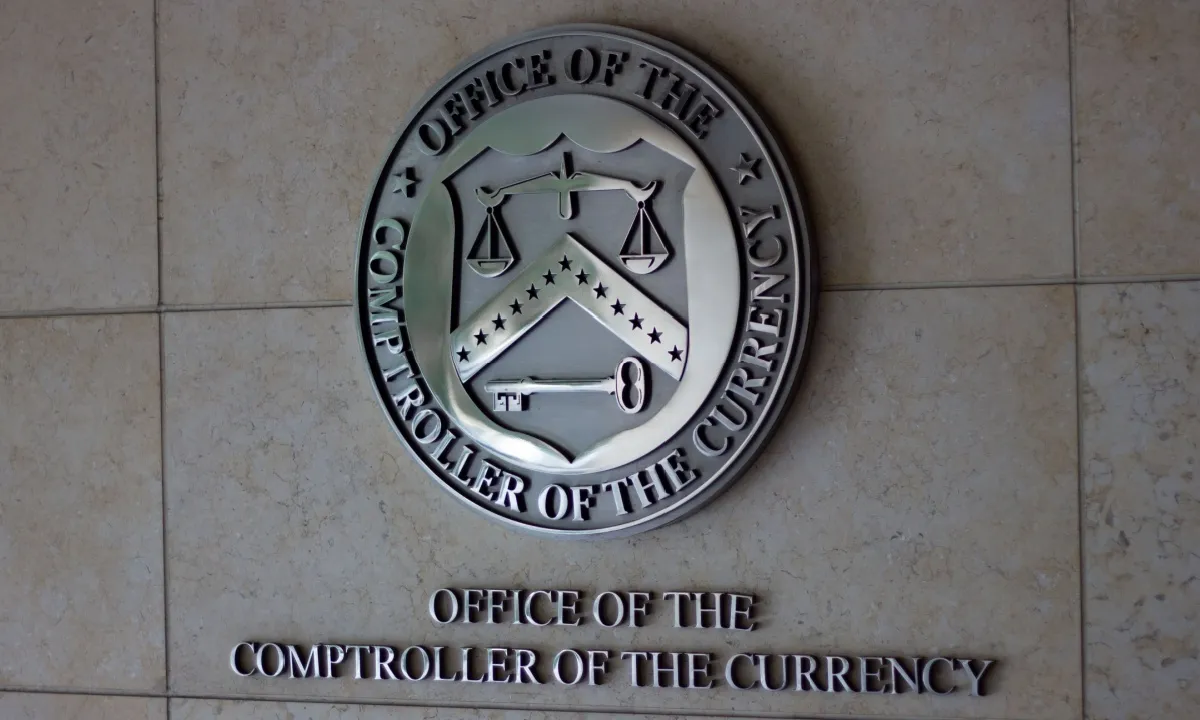
The Office of the Comptroller of the Currency’s Nov. 12 “Semiannual Risk Perspective, Fall 2026” says artificial intelligence gives criminals the means to carry out impersonation, social engineering and account takeover “with greater speed, scale, and complexity.” Among the controls the OCC cites are human review and “using a different communication method from the one used in the request.” The report also points to monitoring for unusually rapid or frequent activity, including login attempts, password resets and transactions.
Businesses in payment-heavy industries already make choices about where to apply some of those safeguards. In the August “Payment Protection” report , PYMNTS Intelligence and Plaid found that 61% of surveyed firms limited real-time identity verification signals to high-value or high-risk transactions. Nineteen percent used them for all or nearly all payments. The survey of 150 senior executives covered seven industries and measured the use of signals such as device and behavioral data.
Source link





