
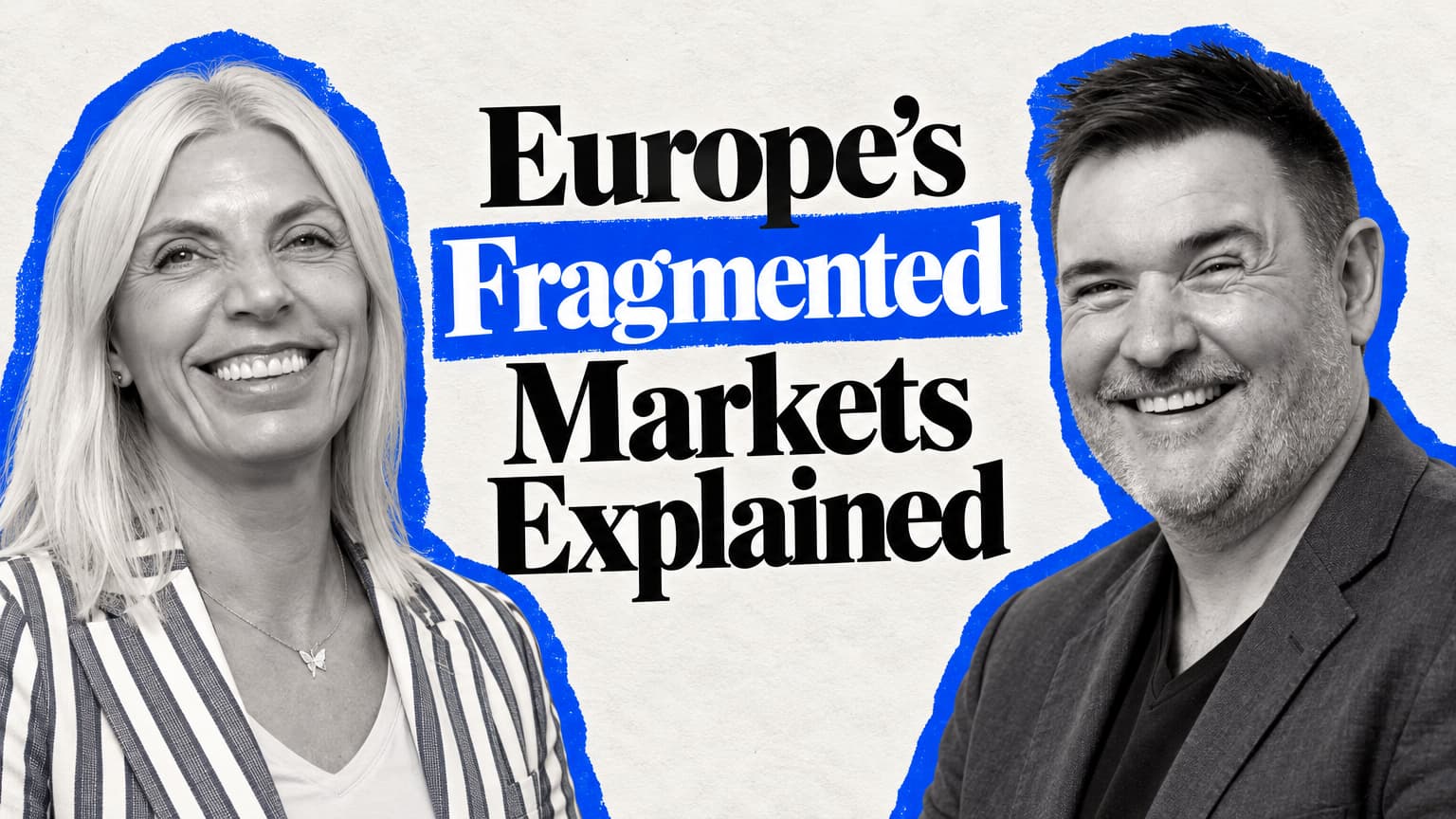
Ann’s first point was that Europe needs more competition and better access to liquidity. The US invests in the US, she said, and Europe needs an environment that attracts investment too, across all asset classes. She sees the Nordics as a bright spot, with a large share of the population willing to move savings into investments.
Ann thinks the custody industry has been fairly successful at harmonising. She expects more fragmentation before it improves, because new infrastructure is arriving and legacy systems need upgrading. “I see a period of time where we will have more fragmentation,” she said, “before we find the new path down the road.”
Many CSDs began as utilities owned by banks and their participants. Banks later sold them off, and they now run as public companies with commercial drivers. Ann called this a “hybrid situation”. In the Nordics there is competition across countries but not within them. She likes competition, but the change is slow. Participants like SEB have to spend a lot of time and effort supporting each CSD while also building their own business models.
Ann said the future of the traditional CSD is largely a question for regulators. She thinks the industry has to change how it thinks about trust: “We used to trust organizations or structures and people… in the new world, we will also need to trust technology in a different shape and form.” She expects entry barriers to fall as a result.
Mark asked who carries the risk if a stablecoin loses its peg mid-settlement.
Source link