New York is giving the largest artificial intelligence (AI) model developers a compliance calendar. Starting in November, the state will direct them to register under its RAISE Act. In January, requirements for public safety protocols, regular reporting and notice of critical incidents take effect.
For banks and FinTechs using those models, the immediate issue is practical: What happens to a customer service, fraud or payments process when its AI provider reports a serious incident?
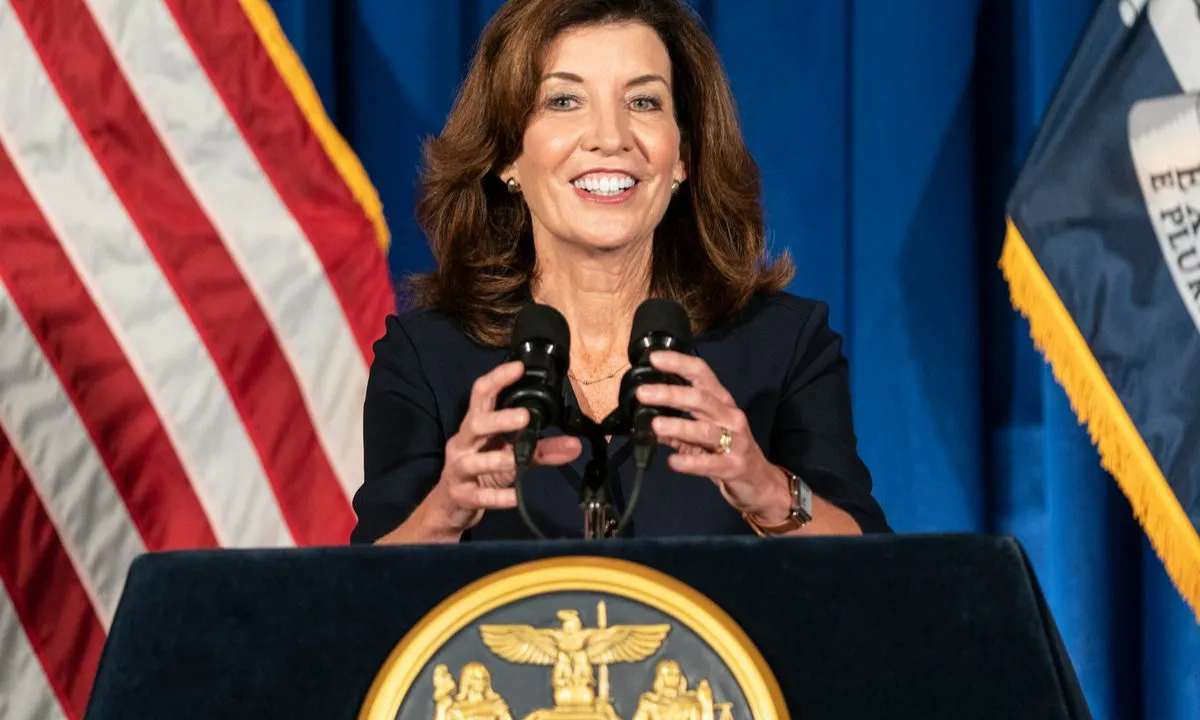
Gov. Kathy Hochul announced the implementation schedule on Monday (Sept. 21) and appointed Marc Gilman as deputy director for the RAISE Act in the state’s new Office of Digital Innovation, Governance, Integrity and Trust, known as DIGIT. The office sits within the Department of Financial Services. Covered developers must publish safety and transparency frameworks, submit quarterly assessments of catastrophic risks and report critical safety incidents to DIGIT within 72 hours. They must also register and file periodic disclosures.
Those duties apply to large frontier-model developers, not automatically to every institution that buys their services. But the distinction offers little comfort if a bank has built a business process around one provider’s model. An incident could require the developer to investigate, change access or alter how the model works while its customers still need to serve account holders and process transactions.
The law gives New York a way to see and track serious model risks. When Hochul signed the RAISE Act last December, her office said the attorney general could seek civil penalties for failures to submit required reports or for false statements, with penalties of up to $1 million for a first violation and $3 million for subsequent violations.
Source link