
The rollout covers Eastern Europe, the Middle East and Africa from October 2026, with full European availability scheduled for July 2027. The programme had already been live in the United States, Canada, Latin America, the Caribbean and Asia Pacific since 2024.
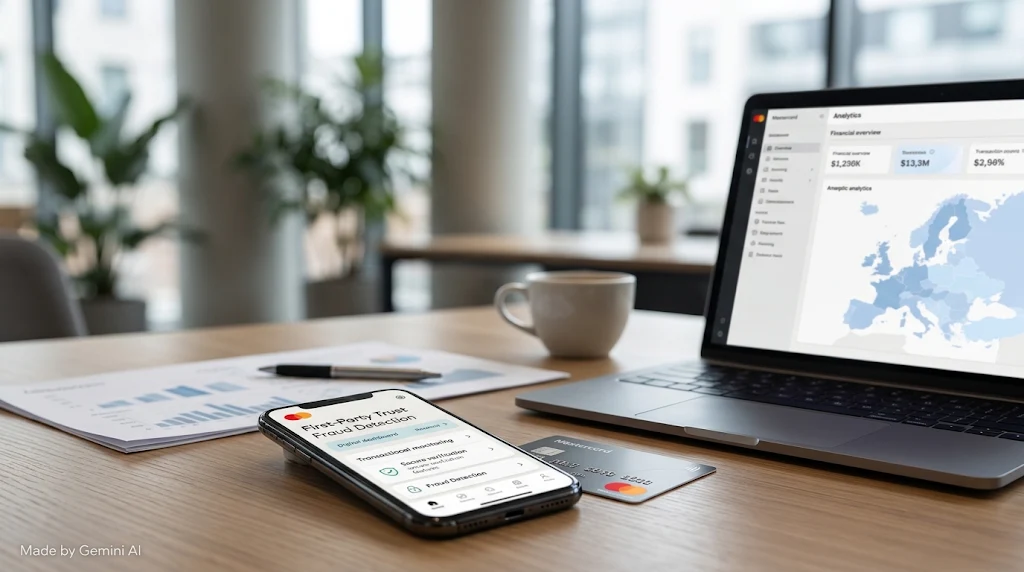
First-Party Trust operates through two parallel mechanisms. The first feeds Mastercard’s fraud-risk models into the authorisation flow, generating signals that flag transactions most consistent with third-party fraud and tag those carrying higher levels of transactional trust. The second allows merchants to submit supporting evidence during the dispute process, including details of delivery, authentication and purchase history, enabling issuers to make a more granular determination about whether a chargeback claim is legitimate.
Merchants who meet the programme’s evidence-sharing requirements receive chargeback protection on qualifying disputes, creating a direct commercial incentive to participate. Small businesses are explicitly included in the scope, which is a meaningful detail given that chargeback costs are proportionally heavier for lower-volume merchants.
Michele Centemero, executive vice president of services Europe at Mastercard, said: “By helping merchants and issuers access relevant transaction information needed to review disputed purchases, we can reduce unnecessary disputes while strengthening confidence across the payments ecosystem.”
The commercial pressure underlying the programme is substantial. Global chargeback volume is forecast to reach 324 million transactions in 2028, up from a 2025 estimate of 261 million, according to the Merchant Risk Council. That trajectory reflects both the continued growth of card-not-present commerce and a documented rise in deliberate first-party misuse, which industry estimates have long suggested accounts for a meaningful share of total dispute volume but is difficult to separate from genuine fraud in conventional dispute workflows.
Source link