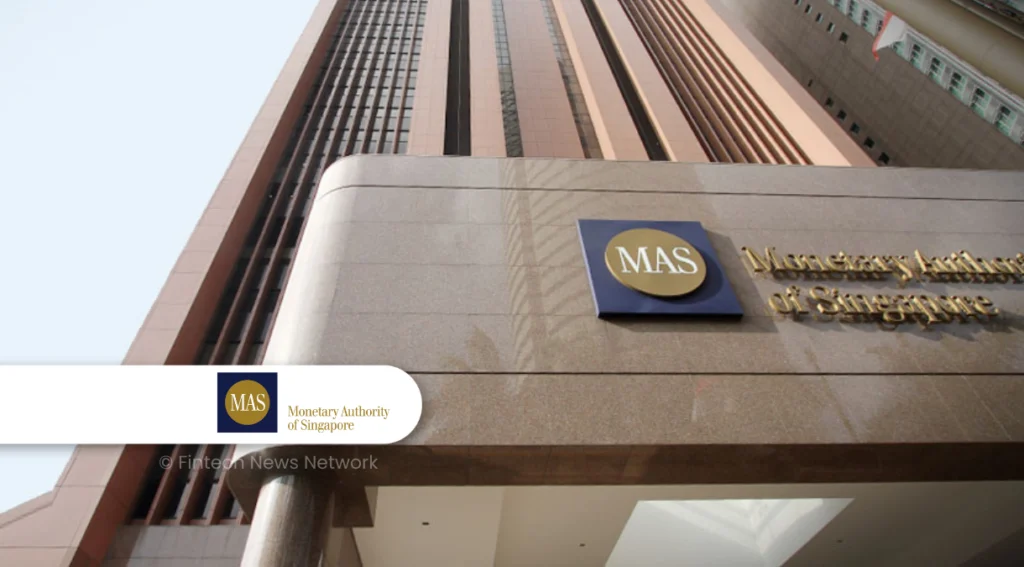
The Monetary Authority of Singapore (MAS) has reinforced its expectations for banks to manage environmental risks linked to haze, including limiting financing or ending customer relationships where environmental laws have been clearly breached.
MAS said banks should identify, assess, manage and monitor material environmental risks arising from their activities and exposures, including pollution and deforestation.
Banks should also consider relevant information released by the National Environment Agency (NEA) under the Transboundary Haze Pollution Act (THPA).
MAS expects banks to engage customers potentially linked to activities contributing to haze and obtain sufficient information about their involvement.
This includes assessing whether customers have adequate measures to prevent, detect and stop fires.
Where banks identify heightened environmental risks, they should take steps to address them. These may include imposing conditions, reviewing financing terms, limiting further exposures or reassessing customer relationships.
Clear breaches of environmental laws would warrant stronger measures, including limiting exposures or ending customer relationships, according to MAS.
The regulator also expressed support for the stance taken by Singapore’s three local banks, DBS, OCBC and UOB, against burning practices.
These expectations are covered under MAS’ Guidelines on Environmental Risk Management, issued in 2020, and further elaborated in its Guidelines on Transition Planning, issued in March 2026.
The transition planning guidelines will take effect in September 2027, following an 18-month transition period.
MAS said it has reinforced its existing supervisory expectations with banks in response to the current haze situation.
Featured image credit: Edited by Fintech News Singapore, based on image by MAS
Source link