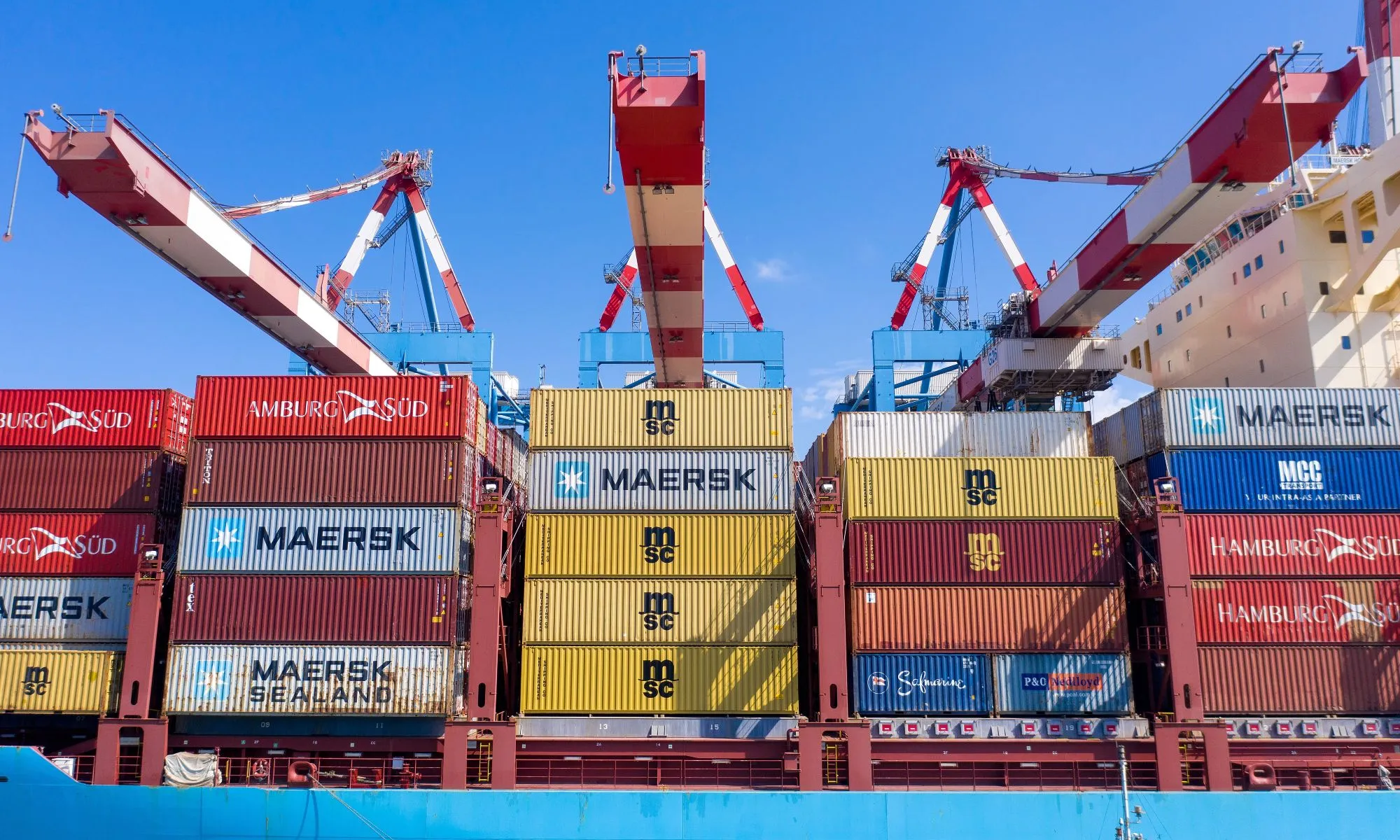
Shipping giant A.P. Moller-Maersk disclosed Wednesday (Nov. 11) that an unauthorized party accessed and extracted data from a legacy IT system inherited through a previous acquisition.
Complete the form to unlock this article and enjoy unlimited free access to all PYMNTS content — no additional logins required.
Maersk has not reported a companywide compromise, but the incident illustrates a persistent problem for acquisitive businesses. Technology inherited through M&A can remain an operational and security obligation long after the transaction’s financial benefits have been incorporated into performance expectations.
The company said its investigation remains ongoing, with preliminary findings suggesting no sensitive data was disclosed and no indication of disruption to its broader operations or connected customer systems.
M&A integration is typically evaluated through cost savings, efficiencies and the consolidating overlapping functions. Technology rationalization is often central to those targets. But acquired systems can remain in service because they support specialized workflows, contain difficult-to-migrate data or connect to customers and suppliers who depend on established processes.
For dealmakers, leaving inherited systems untouched can also be economically rational. Migrating data, replacing specialized applications and disrupting established workflows all carry costs. But the decision to defer modernization can create obligations that outlast the integration program, turning what initially looks like a cost saving into a recurring expense.
The PYMNTS Intelligence report “Scale Amplification: How Revenue Amplifies Agent-Driven Identity,” showed that large enterprises, with their larger digital footprints, can be more susceptible to today’s new artificial intelligence-powered attacks favored by adversarial fraudsters.
Maersk did not immediately reply to PYMNTS’ request for comment, but the company reported in its statement that there was no indication the intrusion spread into other systems or affected customers and partners connected through APIs and electronic data interchange.
Source link