Following broad pushback from merchants across the country, India has delayed plans to introduce merchant fees on its digital payments network that aimed to make the business more lucrative for the companies that facilitate the payments service, long dominated by Google and PhonePe.
The National Payments Corporation of India (NPCI), which operates the country’s Unified Payments Interface (UPI), said on Tuesday it was postponing the planned October 15 rollout of a 0.4% fee on eligible merchant transactions exceeding ₹2,000 (about $21), citing the festive shopping season. The fee, announced last month, would mark a significant departure from India’s years-long policy of keeping UPI payments free for merchants.
The rollout will now take place after Diwali, one of India’s biggest festivals and shopping periods, though the NPCI did not specify a new date. In September alone, UPI processed 24.07 billion transactions worth ₹29.37 trillion (about $305 billion), per NPCI.
The proposed fee drew opposition from retailers and petrol pump operators, some of whom warned they could stop accepting UPI payments if the charge took effect.
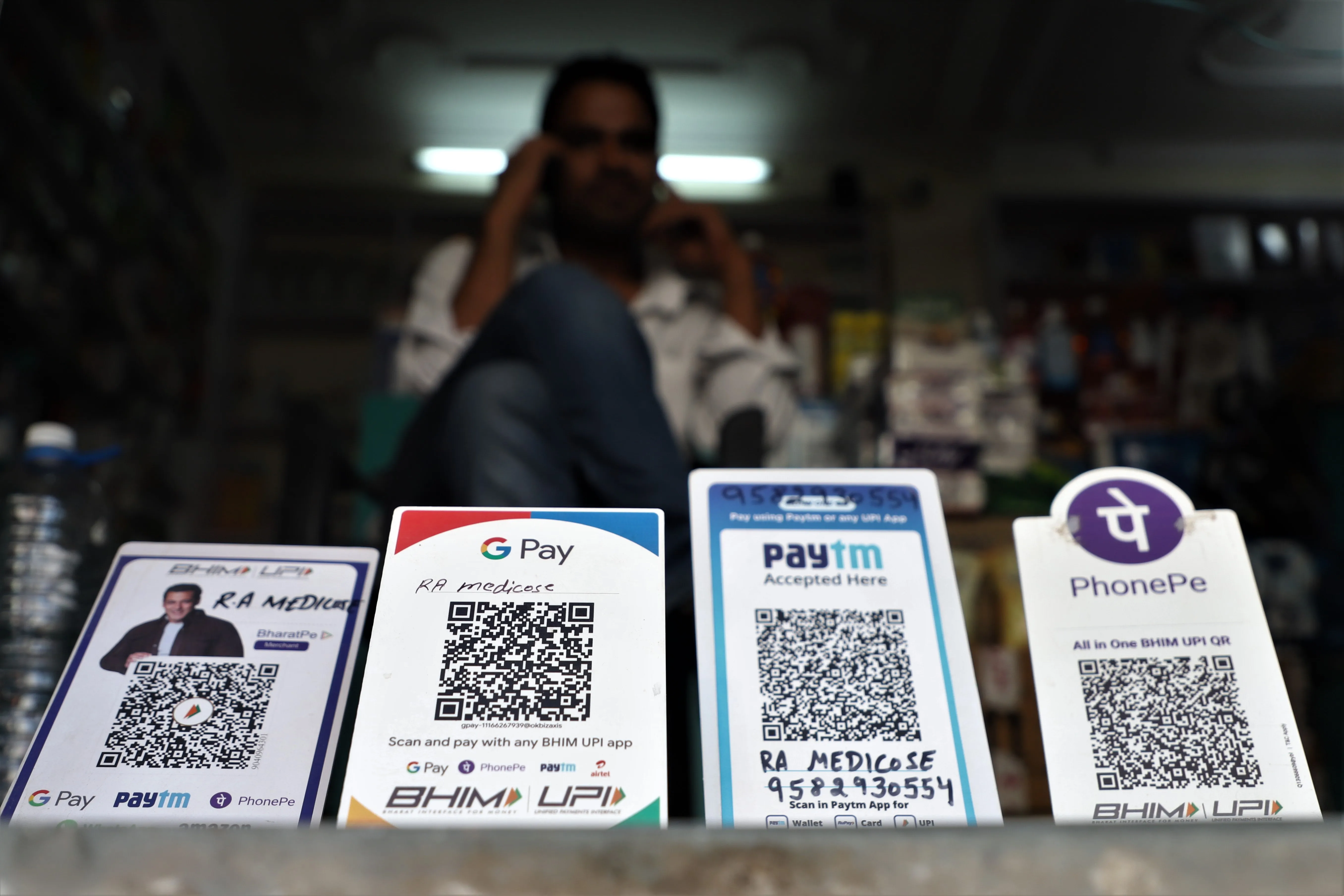
Over the past several years, UPI has become the backbone of India’s digital payments system, powering payments through apps such as Google Pay, PhonePe, and Paytm. Its growth has been supported by the Indian government keeping UPI payments free for merchants and providing subsidies to banks and payment providers to help them cover some of the costs.
UPI was not always free for merchants, however. Banks and payment providers previously charged merchants for transactions, but the Indian government scrapped those fees in January 2020 as it sought to encourage more people to shift away from using cash, long the dominant way people have paid for goods and services in the country.
Source link