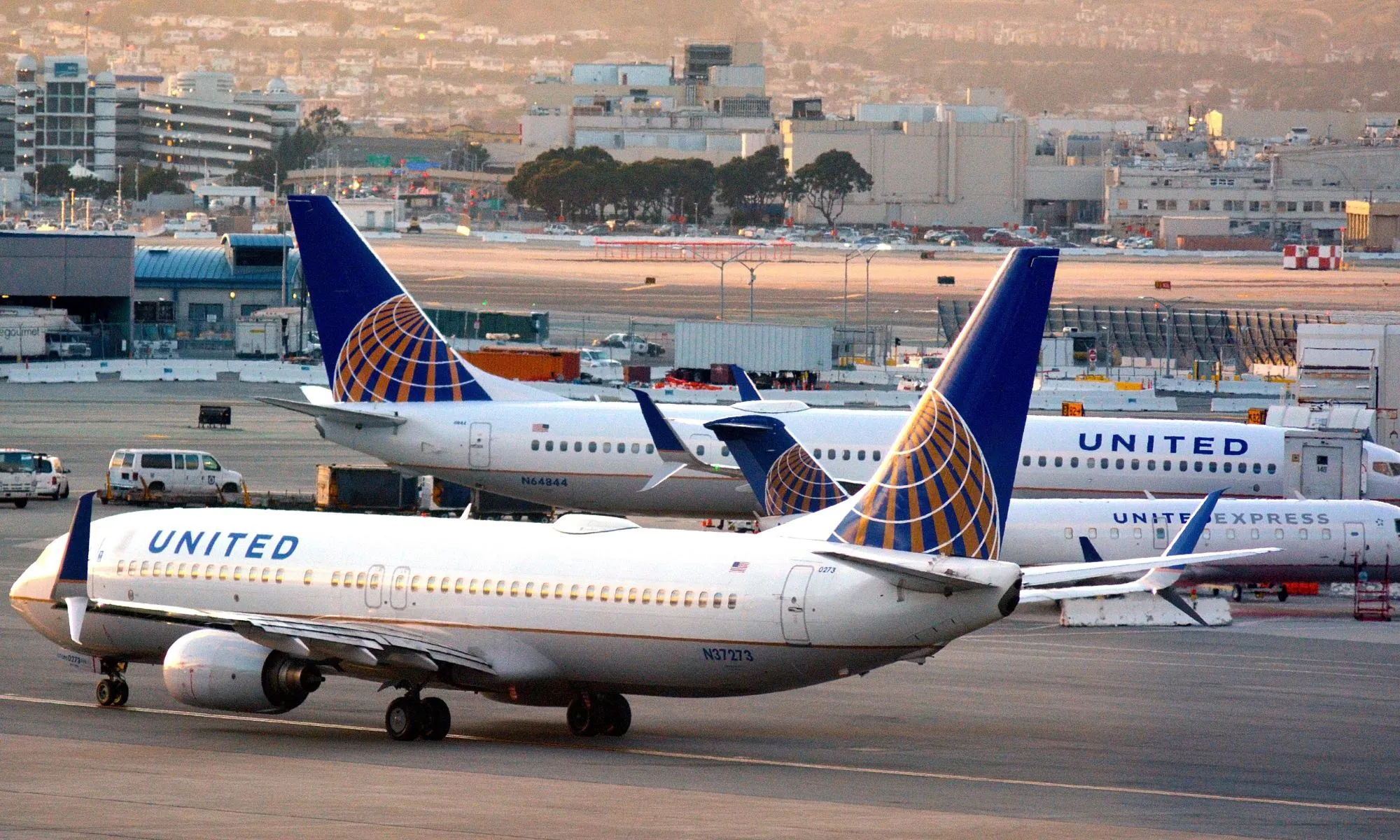
Corporate America’s technical debt is becoming a hidden financial liability. Recent FAA, United Airlines and banking disruptions expose how postponing modernization can accumulate risks that traditional technology budgets fail to capture.
The cost of failure extends far beyond the company responsible. Banking and enterprise software outages can disrupt customers, suppliers and counterparties, creating economic losses that insurance and contractual protections may not cover.
CFOs need to price the cost of waiting, not just the ROI of upgrading. As businesses consolidate critical operations around shared technology, resilience, vendor concentration and downtime exposure are becoming central capital allocation questions.
It’s been a week of back-to-back cyber chaos across aviation, banking and enterprise software.
Complete the form to unlock this article and enjoy unlimited free access to all PYMNTS content — no additional logins required.
And the disruptions are showing no sign of stopping, as on Tuesday (Nov. 17), Apple confirmed new outages impacting its iCloud, Apple Support, Apple Pay and App Store services. Apple’s Tuesday woes come after the Federal Aviation Administration’s (FAA) nationwide ground stop, United Airlines’ departure delays, JPMorgan Chase’s and the broader banking sector’s transaction problems, and Microsoft’s Outlook and enterprise solutions outage.
The disruptions are each separate incidents with different reported causes. Together, however, they illustrate how the failure of a single system can disrupt economic activity across customers, suppliers and counterparties. Corporate America has spent billions modernizing its technology. The more expensive question may be what happens to the systems it hasn’t replaced.
Source link