Most Federal Reserve districts reported little or no change in consumer spending, and more than half said high-income households supplied much of the spending.
The PYMNTS Consumer Expectations Index fell for a second month, while its measure of economic and buying conditions dropped below neutral.
More than half of consumers said their savings would cover no more than three months if their income stopped.
Consumers have kept the economy moving without a boost in confidence about where it is headed.
Complete the form to unlock this article and enjoy unlimited free access to all PYMNTS content — no additional logins required.
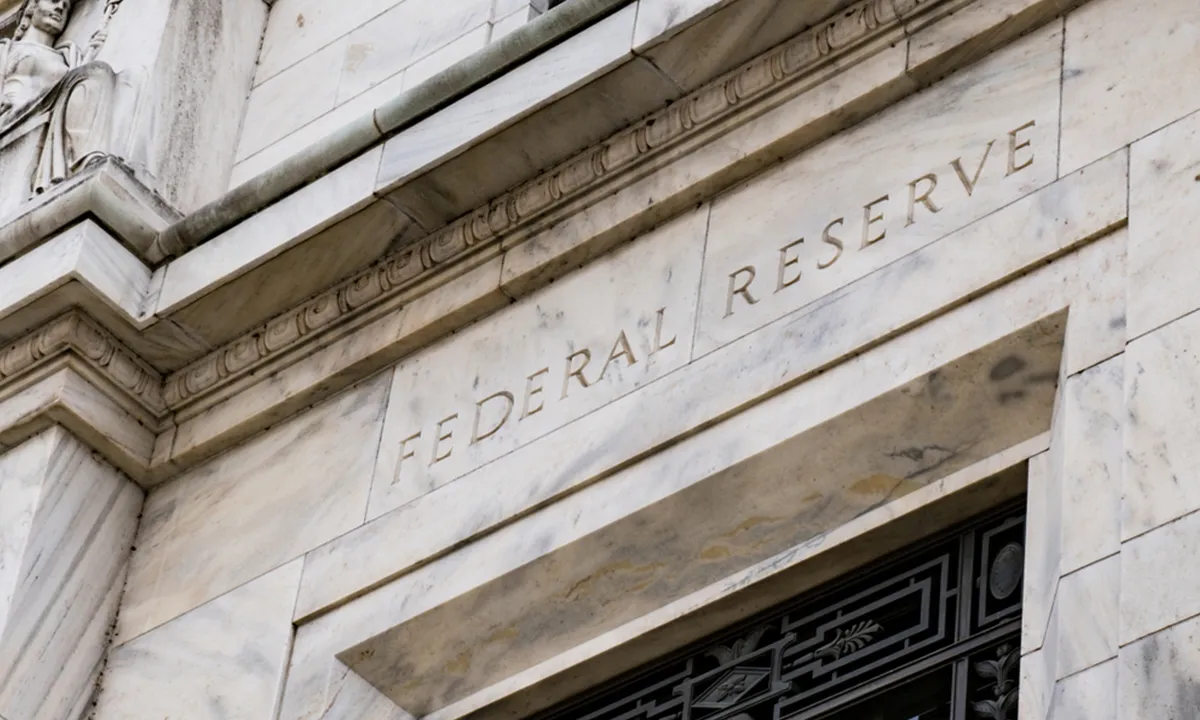
The Federal Reserve’s October Beige Book, released Wednesday (Oct. 14), found economic activity increased in nine of its 12 districts, but consumer spending showed less momentum, depending on where one looks. Most districts reported little or no change in spending, while five of the six districts reporting on auto sales described them as flat to modestly lower. More than half said consumer spending was being driven by high-income households.
The findings correspond with a split in consumer confidence measured before the Fed completed its latest round of interviews.
The PYMNTS Intelligence report “Consumers Hold the Line as Their Financial Cushion Shrinks” found in September that the PYMNTS Consumer Expectations Index fell 0.7 points to 54.1, its second consecutive monthly decline. The index remained above the neutral level of 50, but the Macroeconomic and Buying Climate subindex fell 2.2 points to 45.
Consumers were less positive about the economy and whether it was a good time to make major purchases even though their assessment of their own finances changed little.
Source link