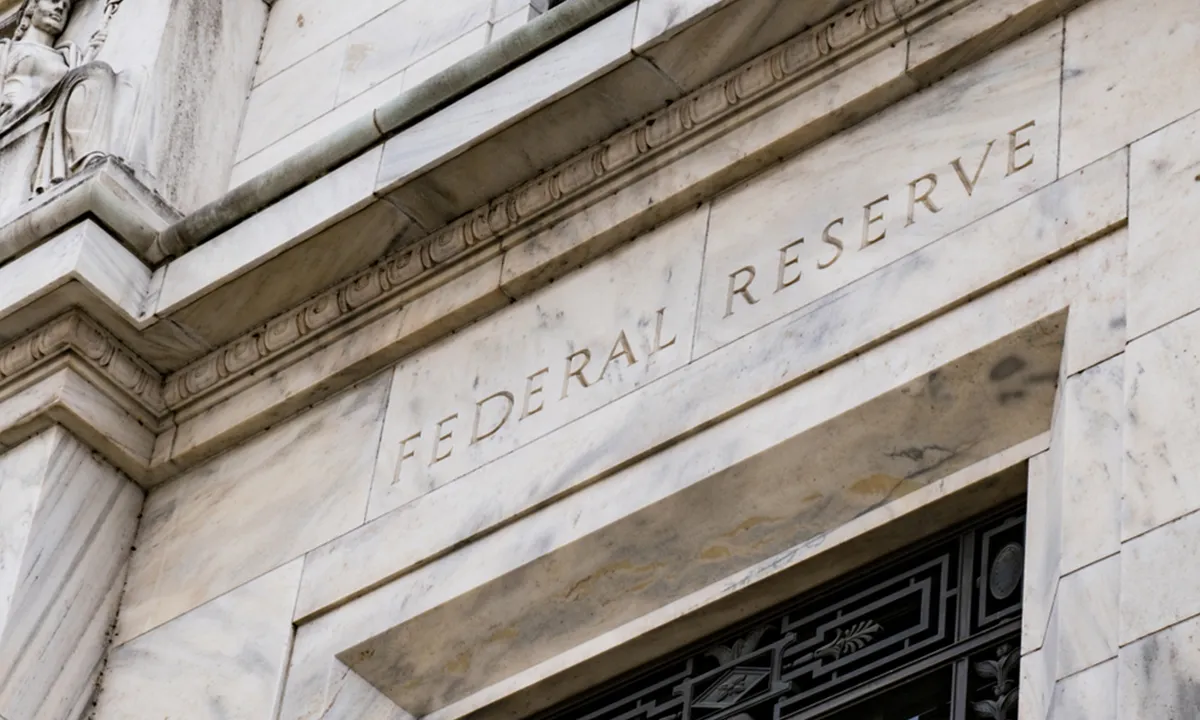
Banks reported that during the third quarter, they tightened their lending standards for small businesses, subprime mortgages and borrowers not meeting credit scoring thresholds for consumer loans, the Federal Reserve said in the October edition of its Senior Loan Officer Opinion Survey on Bank Lending Practices.
Complete the form to unlock this article and enjoy unlimited free access to all PYMNTS content — no additional logins required.
In commercial and industrial (C&I) lending, banks reported that in addition to tightening standards for small firms, they tightened collateralization requirements and the use of interest rate floors for these firms.
For C&I loans to large and middle-market firms, banks said that they left their lending standards basically unchanged and that they eased or left basically unchanged most queried terms for C&I loans.
However, for firms of all sizes, banks said they tightened standards for premiums charged on riskier loans.
“The most frequently cited reasons for tighter standards were a less favorable or more uncertain economic outlook and a worsening of industry-specific problems,” the Fed said in the publication.
Banks also said that they tightened lending standards for all commercial real estate (CRE) loan categories.
In residential real estate lending, banks reported that they tightened standards for subprime mortgages, eased standards for qualified mortgage (QM) jumbo and non-QM jumbo mortgages, and left standards basically unchanged for most other types of residential mortgage loans. Banks left standards for home equity lines of credit (HELOCs) basically unchanged.
In consumer lending, banks tightened the extent to which loans are granted to borrowers not meeting credit scoring thresholds for credit card loans and other consumer loans, and tightened credit limits on credit card accounts and the minimum required credit score for auto loans.
Source link