Picture this: A customer buys a sofa through a popular retailer’s checkout, using a buy-now-pay-later (BNPL) option presented at the moment of purchase. Two clicks. Approved. But the sofa arrives damaged. She initiates a return. Over the next six weeks, she gets bounced between the retailer’s customer support line, the BNPL provider’s app, and the sponsor bank she didn’t know existed. Result: The return is processed late, the refund lags behind it, and consequently, a missed payment installment notification lands on her credit file. Outcome: A customer delighted by the seamless purchase experience disavows all future interactions with the institutions involved. Scenarios like hers are increasingly common. Nearly half of BNPL users, 47 percent, now report paying late at least once in the past year, up from 34 percent in 2024.
This is not a one-off customer experience. It is the structural condition of embedded finance today. The industry has built one of the smoothest sales experiences in financial services, yet has invested little into delivering a similarly seamless post-sales experience. That mismatch between sales and everything that comes after will decide how far the model can grow. As things currently stand, that mismatch has grave potential to inhibit growth for all parties.
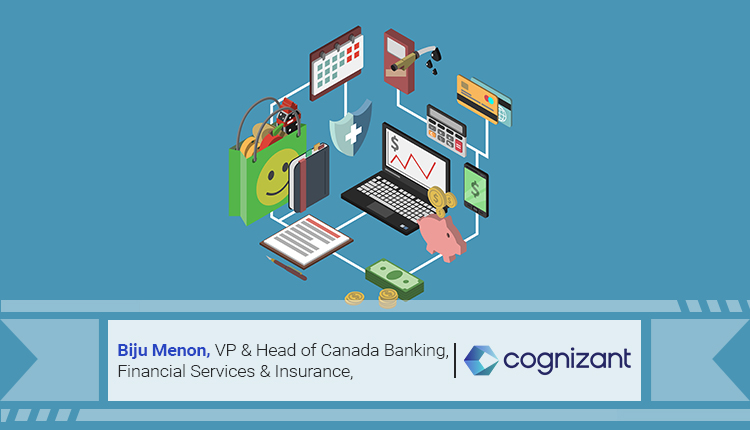
Embedded finance, in a nutshell, is the seamless integration of financial products delivered inside a non-financial customer journey. An installment loan offer at checkout. Travel insurance bundled with a plane ticket. A line of credit offered inside a payroll tool.
The embedded finance model grew in popularity because every party wanted what it offered.
Source link