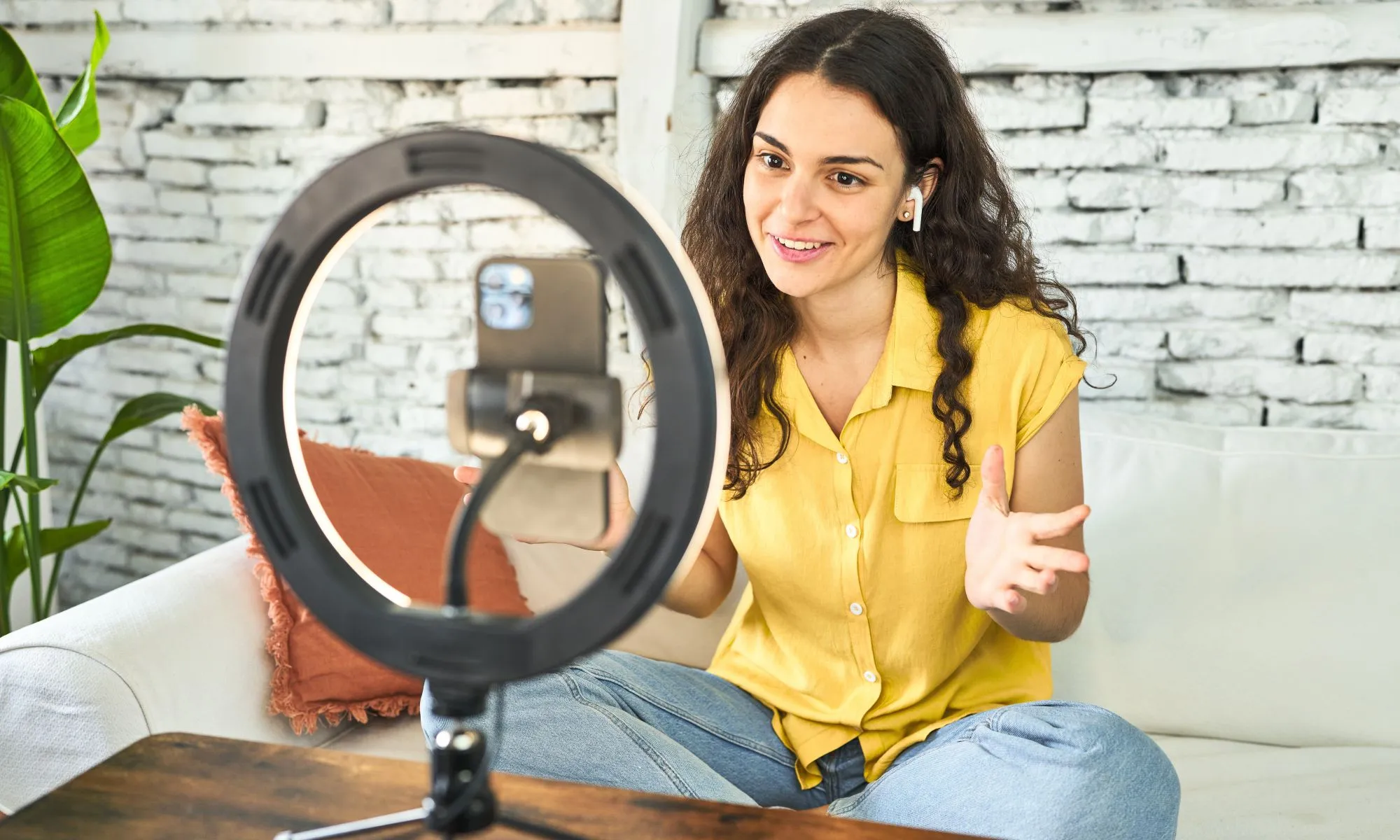
Consumer goods companies are reportedly shifting advertising budgets to influencer marketing campaigns.
Complete the form to unlock this article and enjoy unlimited free access to all PYMNTS content — no additional logins required.
That’s according to a report Sunday (Nov. 15) by the Financial Times (FT), which says this effort by companies like Unilever and Procter & Gamble (P&G) is designed to stem losses to upstart brands who are more at home with producing buzz on social media.
For example, Unilever CEO Fernando Fernandez said last year that he wanted “an influencer in every ZIP code.” Now, the company works with around half a million influencers, a seven-fold increase over that figure from two years ago, the report said, with more than 52,000 different creators promoting its deodorants and shampoos during the World Cup.
In the last decade, FT added, established household brands have faced increasing competition from insurgent direct-to-consumer brands that more effectively target younger consumers. Such brands now account for 40% of growth in the U.S. consumer goods space despite holding under 2% market share, according to consultancy group Bain.
“It’s a critical business risk to not be shifting a large percentage of ad spend to where the attention and trust is today, because that is what the challenger brands are doing,” said Arthur Leopold, founder of creator advertising platform Agentio, which finds and monitors influencers for companies such as Unilever.
FT noted that companies have turned to artificial intelligence to identify influences and monitor the content they create.
Source link