
Corgi wants a national bank charter, which would put its holding company under the Federal Reserve’s purview – a rarity among insurance firms.
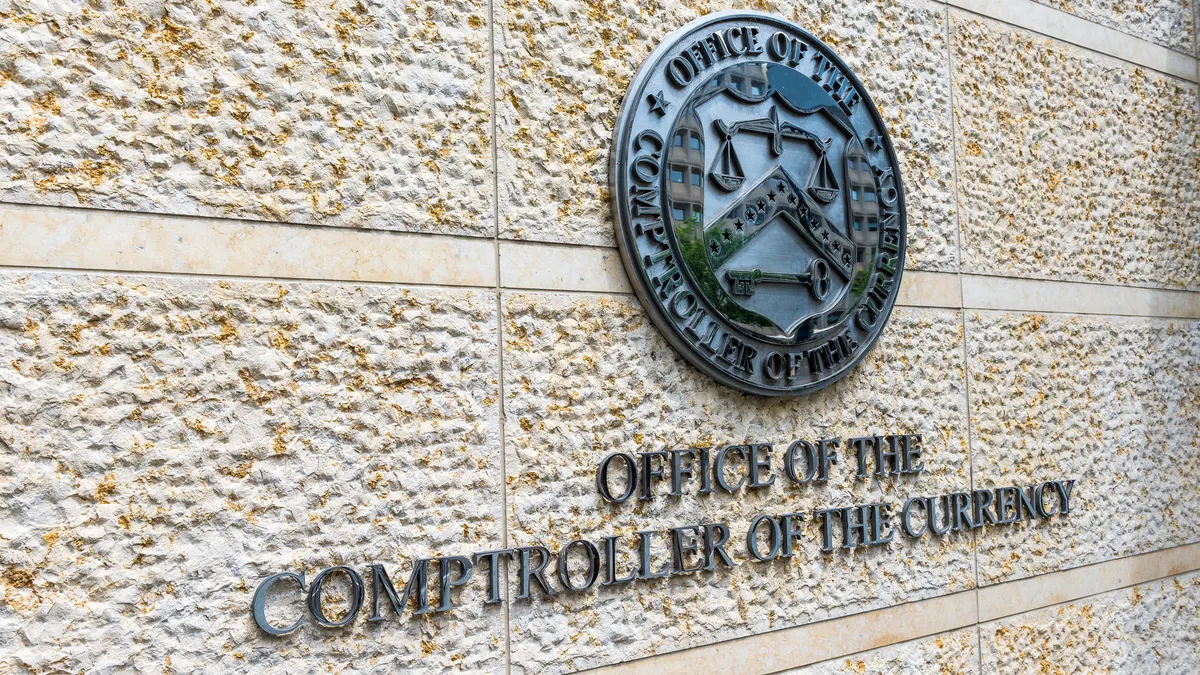
The fintech Corgi applied last week for a national bank charter with the Office of the Comptroller of the Currency.
The move marks the latest attempt at expansion for a 2-year-old artificial intelligence-powered insurance firm that has since diversified into exchange-traded funds.
If approved, Corgi’s banking subsidiary would be based in Salt Lake City with loan production offices planned for San Francisco and New York. Corgi now serves roughly 300,000 insurance customers – mostly small-business owners, according to the company’s website.
The type of charter Corgi has applied for represents a somewhat unique choice: It would force the insurer to become a bank holding company subject to Federal Reserve supervision.
“That’s the kind of oversight nonbank financial firms, including insurers, left banking to avoid,” Victoria Baptiste, principal at consulting firm FS Vector, told American Banker.
Roughly 45 insurance companies, between 1997 and 2000, applied to become thrifts, according to research from the University of North Carolina. That structure allowed parent firms to avoid becoming bank holding companies. Many insurance firms, however, left the banking space when the Dodd-Frank Act placed thrifts under the Fed’s purview.
Corgi plans to offer checking and savings accounts, treasury services, credit cards, loans and lines of credit – options Baptiste calls “pretty traditional” in contrast to the company’s self-description as a “super intelligence-native” firm.
“AI lets us do a lot where we can remove a lot of paperwork that wasn’t possible before, and that lets us make banking, as well as insurance, a lot more affordable,” Nicolas Laqua, Corgi’s CEO, told Bloomberg .
Source link





