

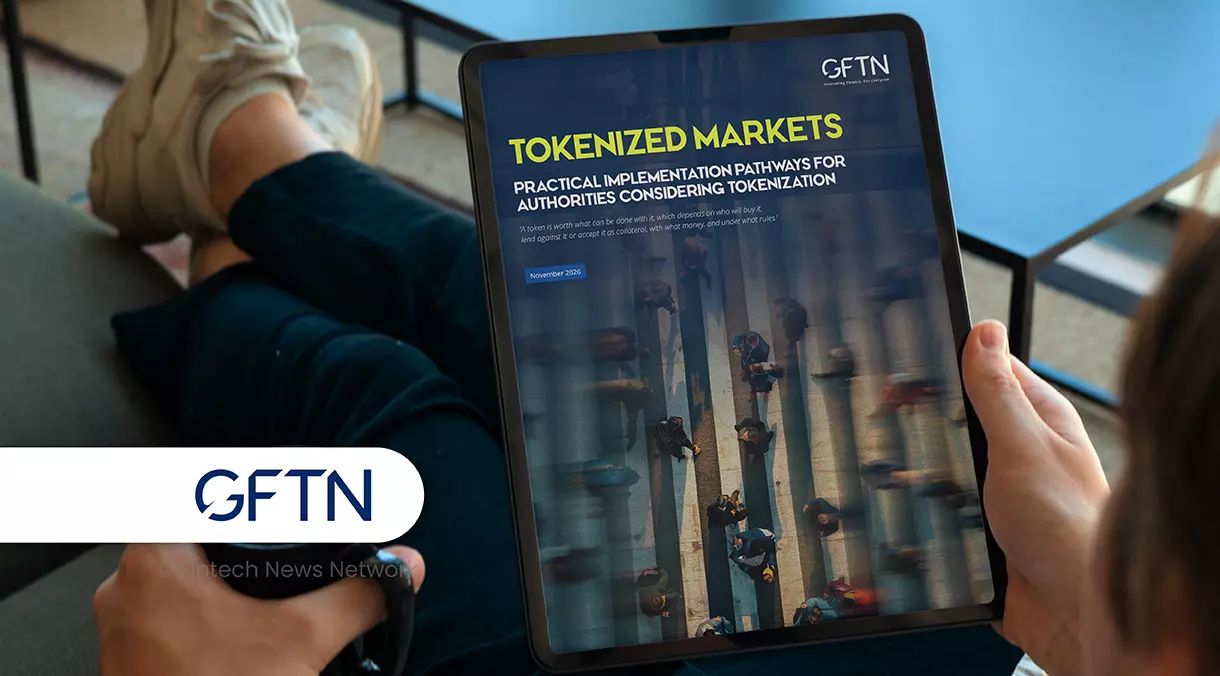
In its latest report, Tokenized Markets: Practical Implementation Pathways for Authorities Considering Tokenization, the Global Finance & Technology Network (GFTN) sets out eight frictions in tokenised markets or tokenised market challenges.
These frictions, identified through firms and research partners building tokenised markets, came to light during GFTN’s open call and working groups. GFTN shares that the problem statements are the views of contributors, and not GFTN’s.
Cross-border payments pass funds from one bank to another through correspondents, and the currency is converted as the payment moves across these bodies. However, the GFTN report shared a notable percentage on how stablecoins move the same value for a much lower cost and in less time:
“In Banca d’Italia’s test transfers, the on-chain leg took under 15 minutes in seven of eight corridors and cost 0.4% of the amount on average,”
Transfers like these would usually take a “stablecoin sandwich form”, where a local currency is converted into a stablecoin, which moves on-chain before being converted into local currency on the other side.
Here, a licenced payment provider handles the steps while the customer never touches the stablecoin. The provider, meanwhile, holds the stablecoin for as long as the transfer takes.
Adding a new card scheme or bank partner rarely requires a licenced payment provider to obtain a new licence. However, using stablecoins as a settlement rail tends to require that.
Most jurisdictions treat fiat payments and digital assets as separate regulated activities, often overseen by different authorities. Providers then need to secure digital asset authorisation, establish a separately licenced entity, or partner with a licenced firm where permitted.
Source link





