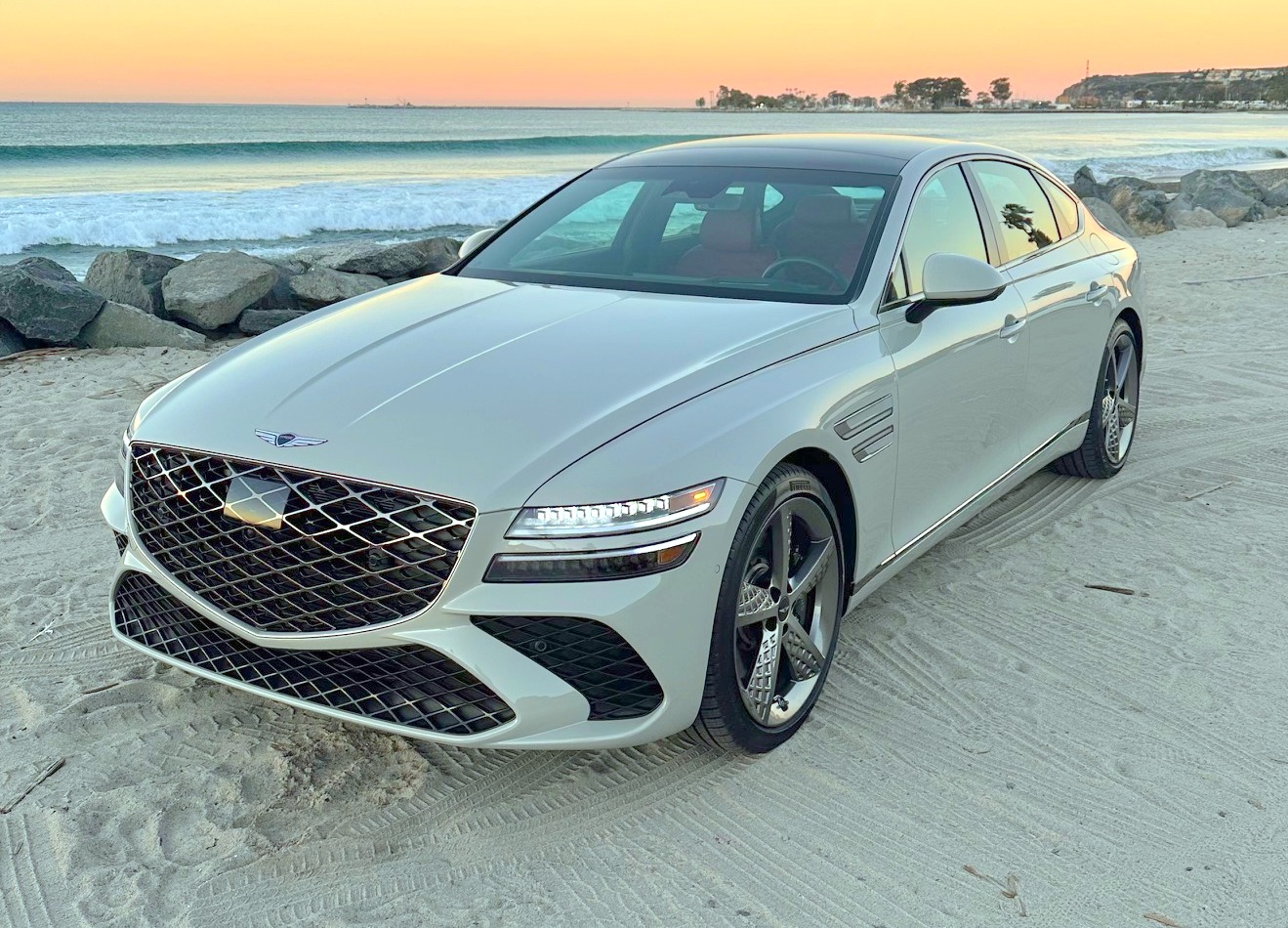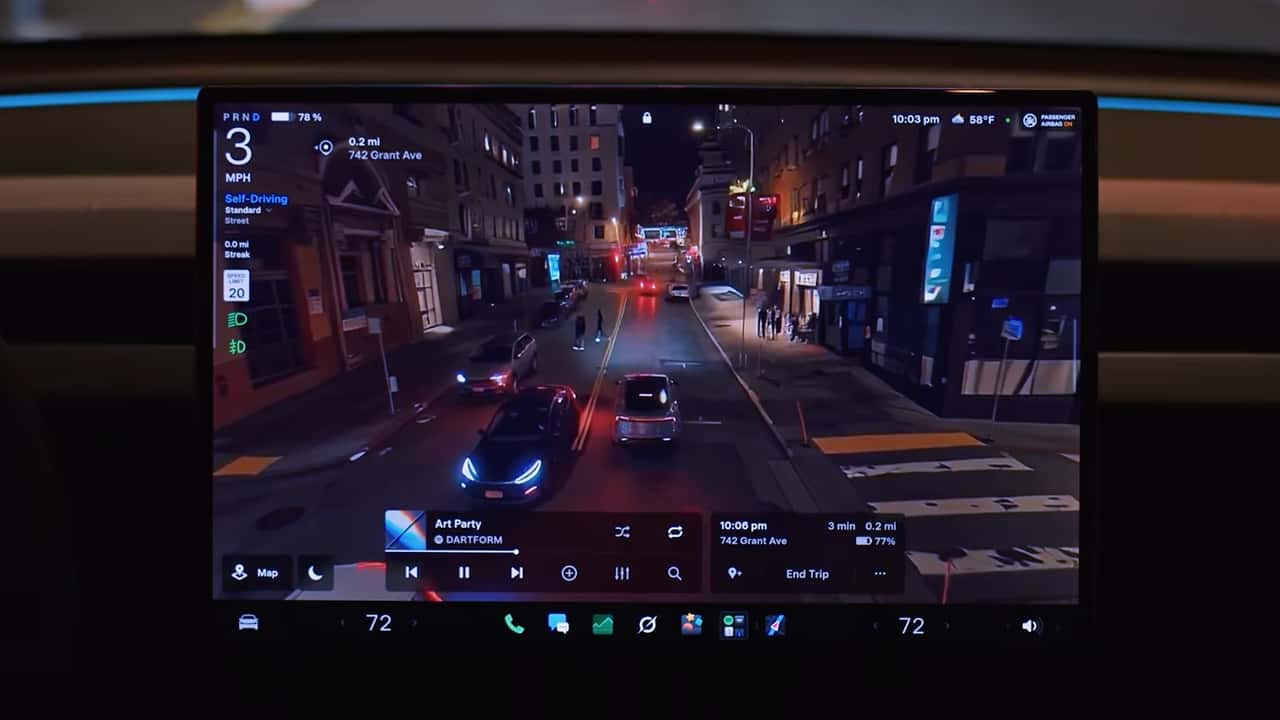
When fuel becomes one of your main expenses, it’s only natural to explore ways to reduce your payments at the pump. A solid solution for many drivers is to purchase a plug-in hybrid electric vehicle (PHEV). These vehicles have a gas engine like many other traditional models, but they also have an electric motor and a rechargeable battery. Unlike conventional hybrid vehicles, you can plug them in to charge their batteries.
Most PHEVs can drive on electricity alone before switching to gas, or using a combination as the battery depletes. The appeal of PHEVs is huge: reduce gas consumption on your daily commutes while avoiding the anxiety of not being able to drive home if your battery runs out. If you’re considering buying a PHEV for your family (or even your fleet), here’s what you need to know before signing on the dotted line:
Just as an Austin, Atlanta or Albuquerque car accident lawyer would thoroughly review a vehicle’s features for their client when building a strong case, you can do the same when deciding which vehicle to buy for the first time.
A hybrid electric vehicle (HEV) has a small gasoline engine, electric motor and battery. It can’t be plugged into an external power source, and instead charges itself through the gas engine and regenerative braking. It drives on electric power for short bursts at low speed, but has virtually zero electric-only range.
A PHEV is similar to an HEV, but you can plug it into an outlet, and it offers around 20-55 miles of electric-only driving with a gas engine and a battery.
Source link