The Volvo EX-90 and Polestar 3 roll off the same assembly line in South Carolina. They share much of their hardware and, according to Polestar, run the same software. However, when each manufacturer asked Washington for permission to keep selling them in America, they got different answers.
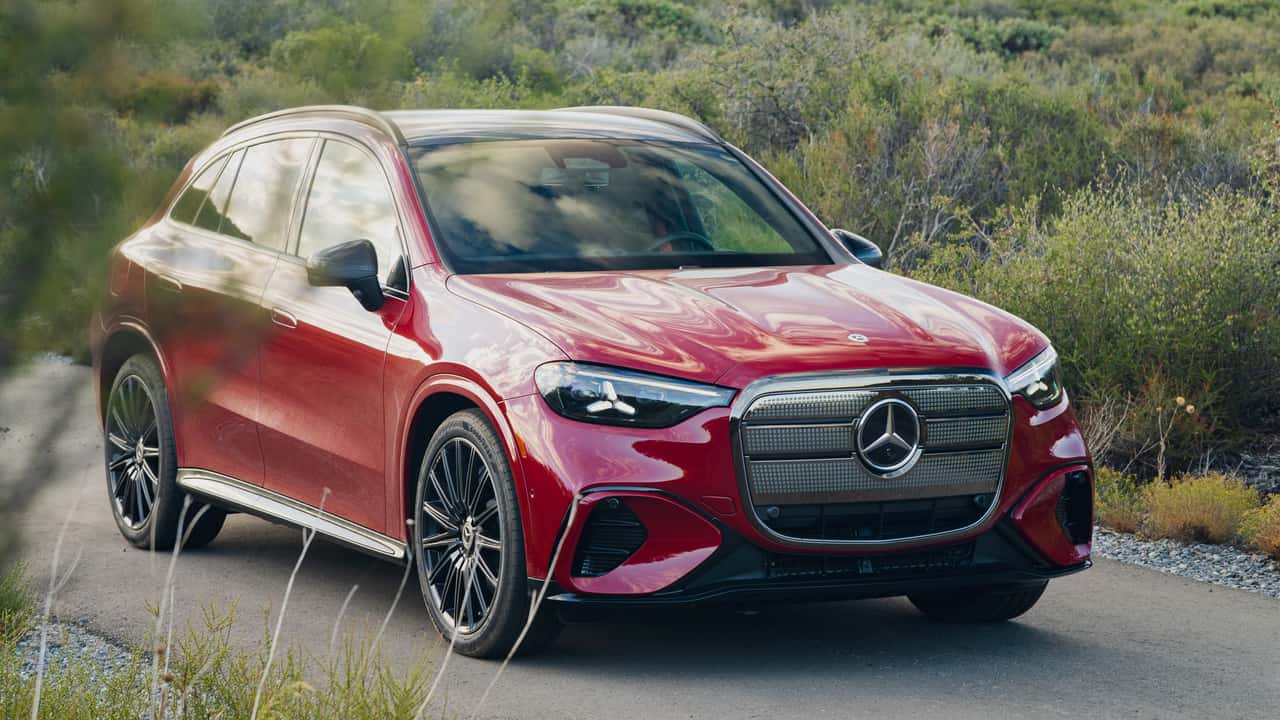
Now Congress is considering a tougher law aimed at keeping Chinese cars out of the U.S., one that could reintroduce headaches for Volvo and put another major automaker in a tough position. Congress is close to a deal on legislation that would ban cars from automakers with more than 15% Chinese ownership stake, as Bloomberg reported. This would be a tough pill for Mercedes-Benz, as around 20% of the company's stock is owned by Chinese investors.
But the publication reported that Republican and Democratic lawmakers are nearing a deal that could spare Mercedes. They want to send a bill to the president by the end of the year, but its terms have not yet been finalized.
The Volvo and Polestar decisions came under a Commerce Department rule finalized in 2025 aimed at controlling connectivity and self-driving technology. Washington’s concern is that a foreign adversary could use those systems to collect data on Americans or even remotely control vehicles. The new restrictions on certain Chinese- or Russian-linked software take effect for the 2027 model year. Hardware restrictions will follow in 2030 and apply to both gas and electric cars, including ones assembled on U.S. soil.
Chinese giant Geely has a majority stake in Volvo Cars, so the Swedish automaker had to apply for specific authorization to keep importing and selling connected cars.
Source link