Silicon anodes could be the next big thing in lithium-ion battery tech. A new deal paves the way for those more advanced batteries to be made in the U.S.
On Wednesday, Sila Nanotechnologies announced a new multi-year offtake agreement with Panasonic. Sila's role is to supply Panasonic with its silicon-carbon anode material, which the battery giant will use in its U.S. plants to build next-generation battery cells.
We've heard a lot about silicon-carbon batteries over the last few months. Mercedes-Benz bought into the idea, Porsche invested in it too. General Motors is going all-in on the tech, the automaker's battery chief, Kurt Kelty, told us earlier this year. So why the big fuss?
Most lithium-ion batteries use graphite on the anode side. Sila's approach uses silicon, which can hold dramatically more lithium. In theory, that means a more energy-dense battery with no additional weight and faster charging speeds. A win all around.
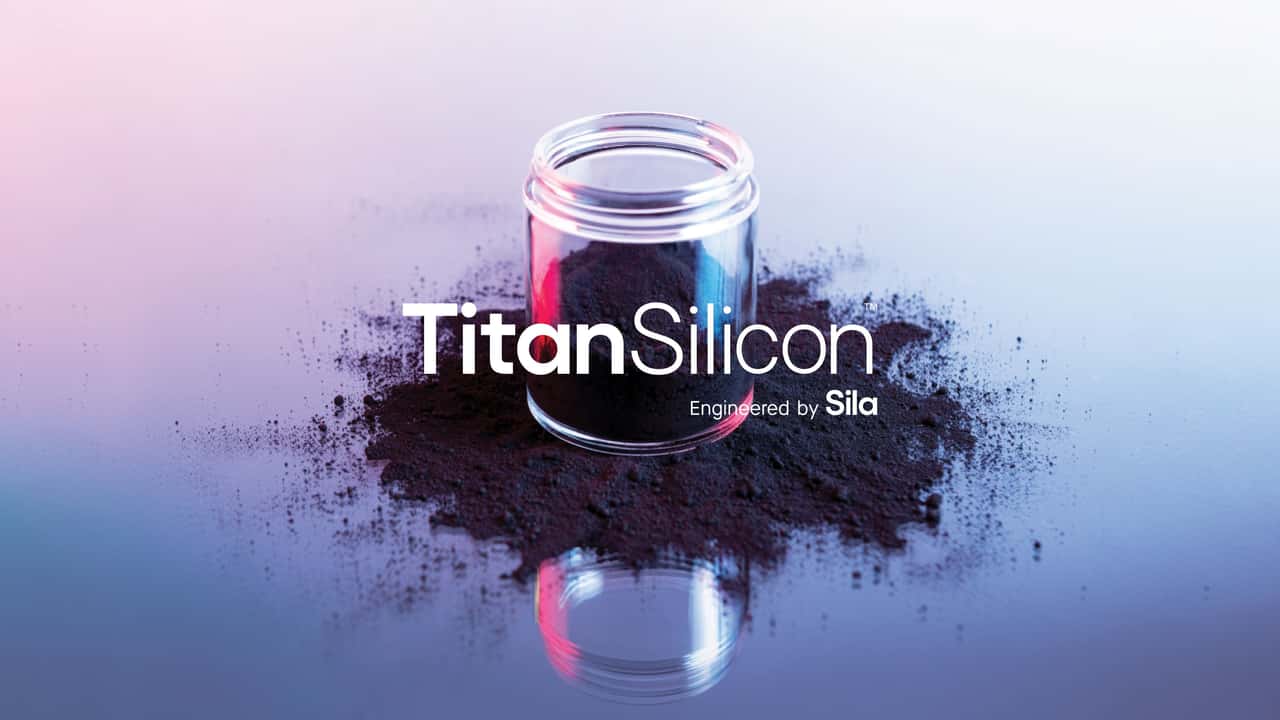
But, there is a trade-off in the material. Silicon has a habit of "swelling" as it charges and ages due to the sheer amount of extra lithium it can absorb compared to graphite. Sila says its Titan Silicon anode solves this problem by reducing overall expansion to something more akin to traditional graphite-based anodes. Its anodes already help power some consumer electronics, like Whoop bands.
The two companies have been working together to commercialize the tech since 2023 when Panasonic first announced plans to procure anode material from Sila. Now, Panasonic plans to procure it at scale.
Source link