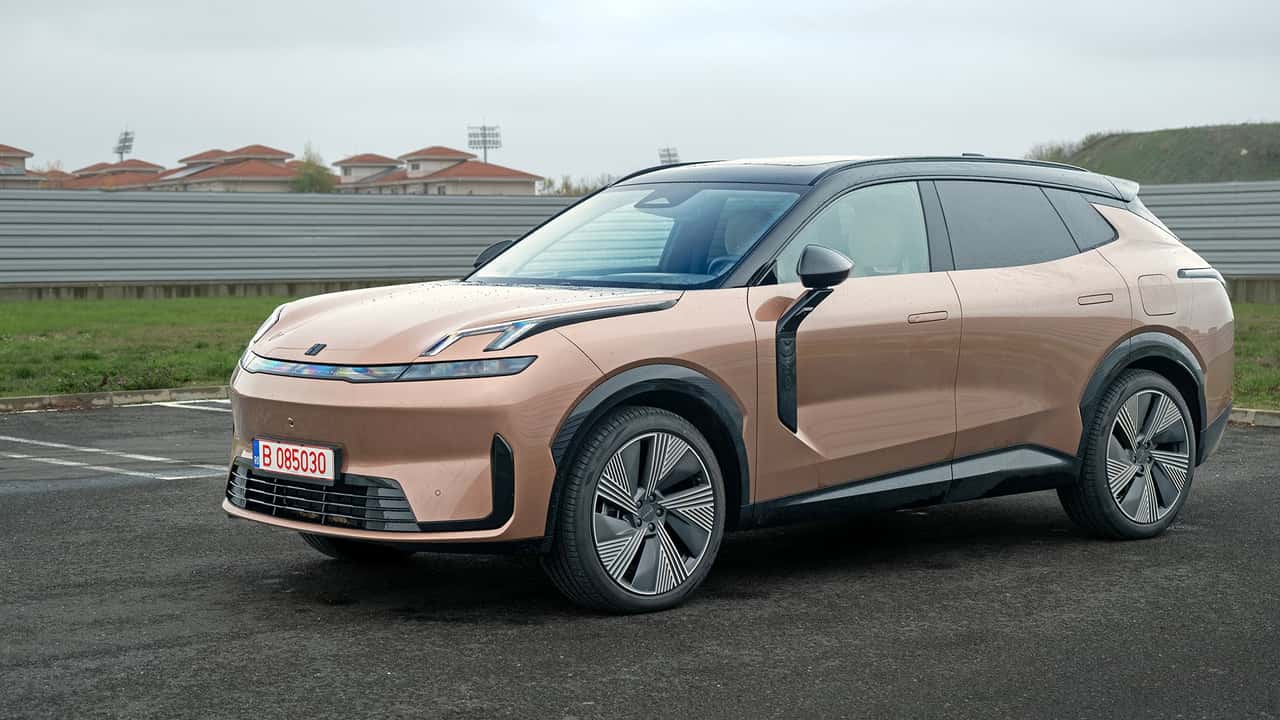
A plug-in hybrid promises electric-only driving during the week and gasoline-powered long-distance freedom on weekends. But because they can run on gas, drivers often don’t bother plugging them in, which can reduce or completely erase their emissions-cutting and fuel-saving benefits. One proposed solution is to give drivers less room for gas.
European clean transport advocacy organization Transport & Environment (T&E) wants policymakers to incentivize PHEVs with fuel tanks capped at 15 liters (around four U.S. gallons). Its latest report argues that smaller tanks would encourage owners to charge more and drive more on electric power.
T&E recommends at least 200 km (124 miles) of real-world electric range by 2030, DC charging power above 100 kilowatts, and electric motors with at least three times the combustion engine’s power. The report argues that fulfilling these criteria should make electricity the main attraction and gasoline a true backup option.
Such vehicles already exist, and I’ve driven one. The Lynk & Co 08 has a 39.6-kWh battery and a claimed WLTP electric range of 124 miles (200 kilometers), and it mostly behaved like an EV during my time behind the wheel, even though its gasoline engine can also power the wheels directly. It showed me how well a PHEV works when electric driving comes first.
The idea is similar to the extended-range EVs heading to the U.S., but with a smaller gas tank to give owners another reason to charge. The latest data helps explain why T&E wants this change.
Source link

![PGE gets it: electric semi trucks provide HEAVY DUTY backup for the grid [video]](https://images.themorningpulse.fyi/uploads/2026/10/rss-mve1k700-cxtlua-meta.webp)