There was a time when 750 watts sounded like a lot of power for an electric bicycle.
Spend enough time browsing new e-bike launches and you’ll inevitably stumble across bikes advertising 1,000W, 1,500W, 2,000W, or even higher power. Dual-motor models have turned the spec sheet into an arms race, with manufacturers seemingly competing to see who can slap the biggest number onto the product page.
If you ask me, the e-bike industry is developing a horsepower problem.
To be clear, I’m not anti-power. I’ve ridden everything from dainty 250W European commuter bikes to electric motorcycles with enough power to rearrange your chest cavity. Powerful electric two-wheelers are fun, period.
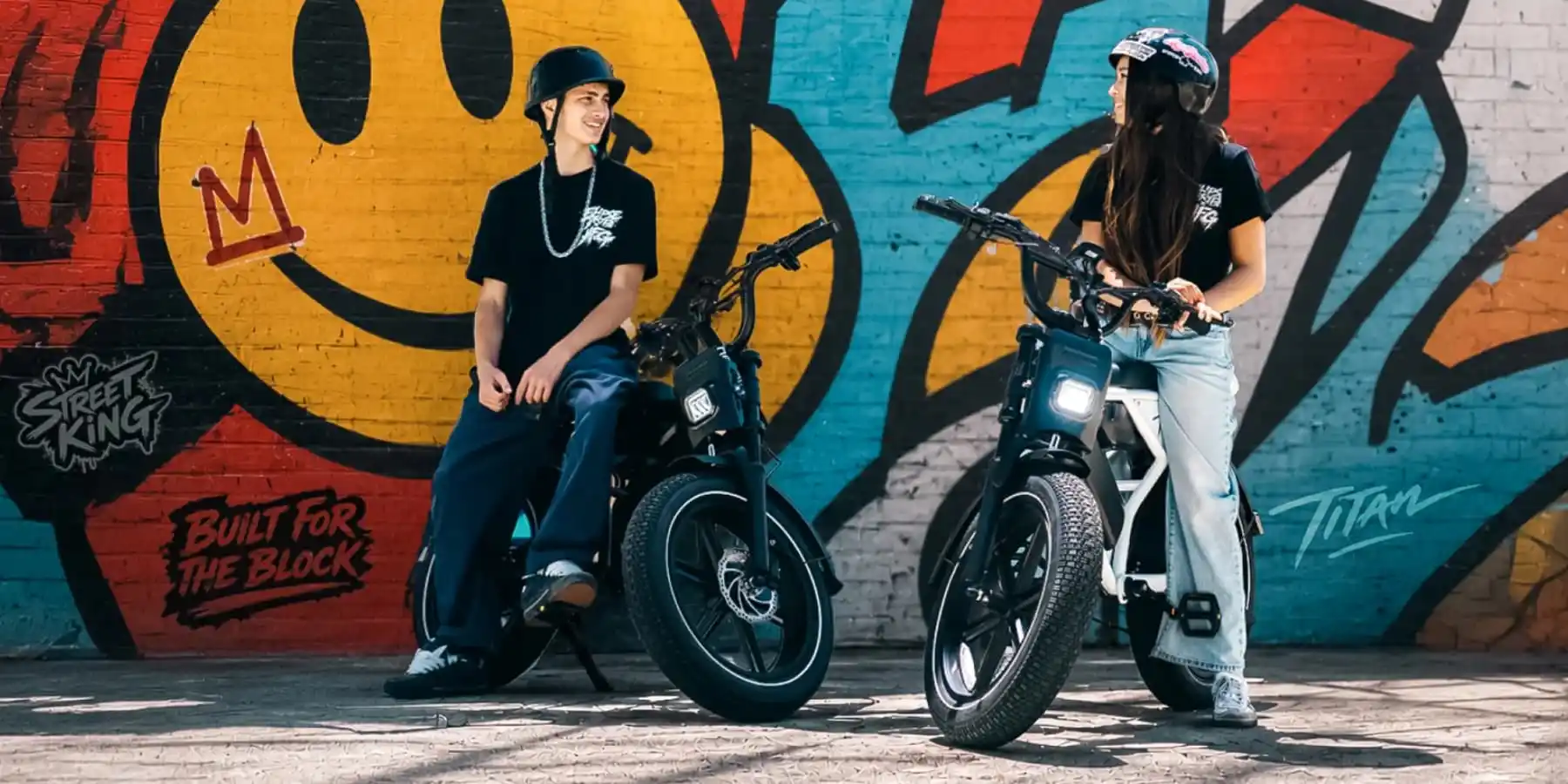
But there’s a difference between building a powerful electric two-wheeler and pretending that every powerful electric two-wheeler is still an electric bicycle.
In the US, the widely adopted three-class e-bike system generally tops out at 20 mph (32 km/h) for Class 1 and Class 2 e-bikes and 28 mph (45 km/h) for Class 3, with some minor exceptions, and 750 watts has long been a common benchmark for the motor power limit.
Yet browse online e-bike retailers today and you’ll find plenty of machines advertised with motors well beyond that figure, often capable of speeds far beyond normal electric bicycle classifications.
Sometimes there’s a disclaimer explaining that the bike is intended for “off-road use.” Sometimes there’s a software setting that supposedly limits it for street riding.
And sometimes people just sort of squint at the pedals and agree to keep calling it an electric bicycle.
Source link