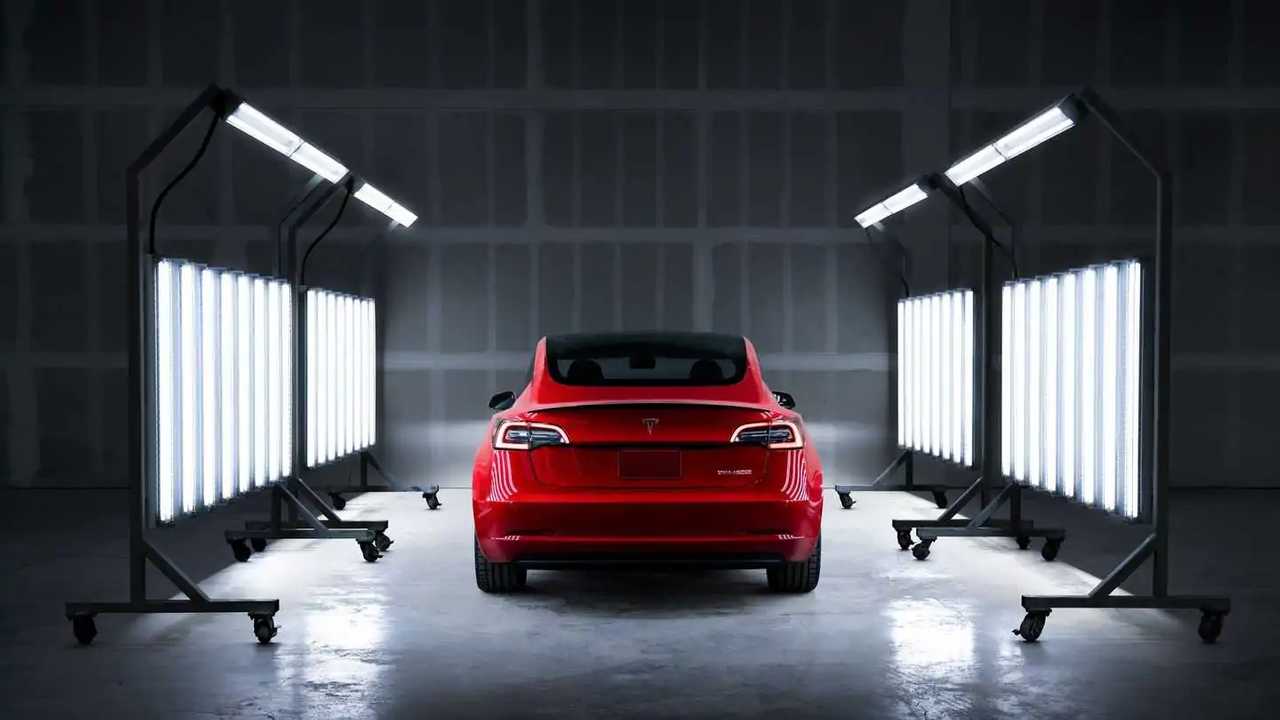
Everybody knows that electric cars are pretty easy on the owner’s wallet when it comes to regular maintenance. They may cost more to buy new than a comparable gas car, but as the miles pile on, there’s no need to worry about engine oil changes and emissions checks. Plus, cheap EVs are already here, with more to come in the near future.
While all of this is true, EVs aren’t exactly maintenance-free. There are still some things that need to be done to keep an electric car running like new for many years after it rolled off the assembly line.
There might not be an engine under the hood, and no manual or automatic transmission to worry about, but EVs still have transmissions, believe it or not. They also have brake fluid, brake pads, and coolant. And all of these—plus others—need attention over the course of a car’s life.
ERANGE EV tires are purpose-built for electric vehicles, combining efficiency, comfort and performance with advanced EcoPoint3 technology.
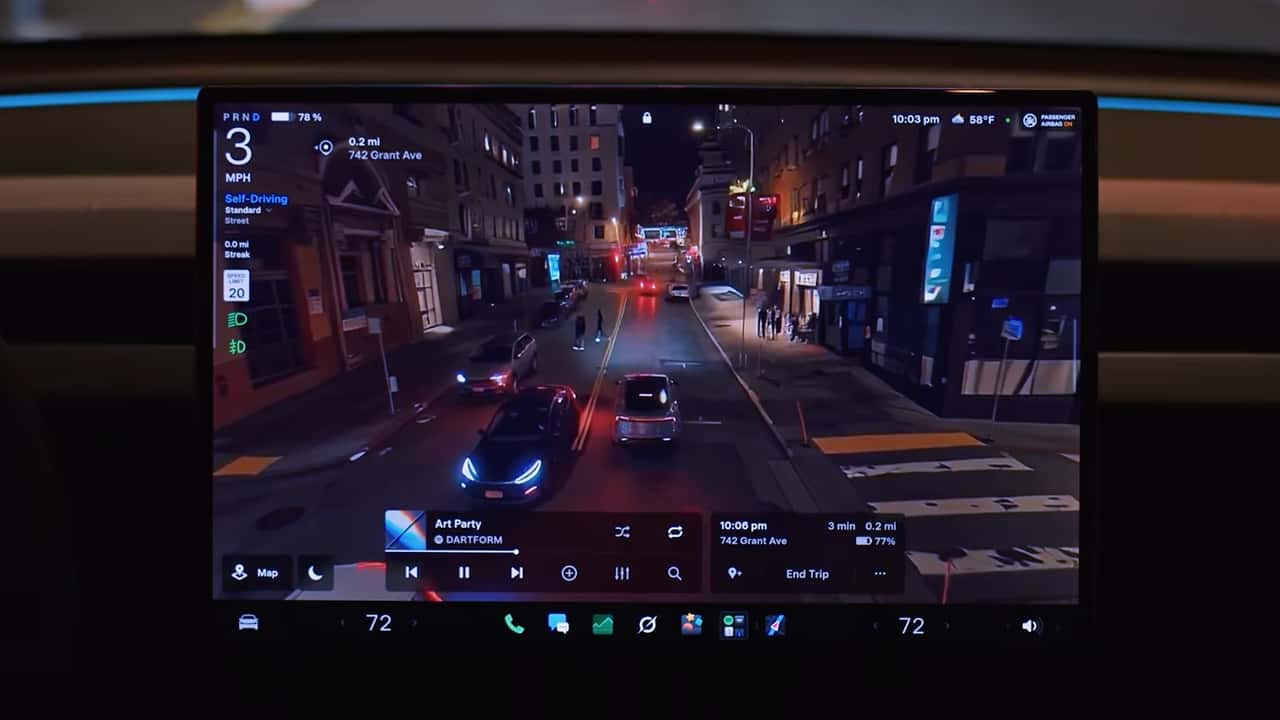
For this first installment of our new series on EV maintenance, I’ll focus on the Tesla Model 3, one of the best-selling electric models of all time, and a regular occurrence on roads everywhere in the United States, Europe, and beyond.
I’ll go through what maintenance is required by Tesla to keep the warranty intact, and also discuss items that are not part of the company’s service schedule but might still be worth considering for the long run.
The following list may seem a little too simple for someone who has switched from a gas or diesel car to an EV, but there’s no shortage of high-mileage electric cars out there, including countless Teslas, that are still going strong with minimal maintenance.
Source link